Whirlpool Microwave Parts: Diagnosis, Replacement, and Safety
Practical, data-driven guide to diagnosing, sourcing, and replacing Whirlpool microwave parts safely. Learn common components, compatibility tips, and where to buy genuine Whirlpool parts.


Whirlpool parts microwave refers to replacement components designed for Whirlpool-brand microwaves, including door latches, control boards, turntables, and magnetrons. This guide helps you identify the exact part you need, verify model compatibility, and source safe, genuine Whirlpool components from authorized sellers. By following best practices, you can perform safe repairs and extend your microwave's life.
Why Whirlpool Parts Microwave Reliability Matters
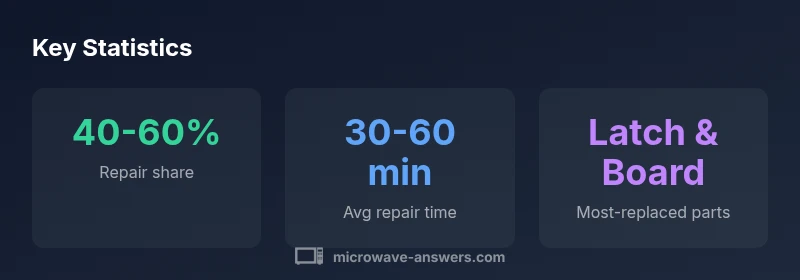
According to Microwave Answers, the reliability of Whirlpool microwave repairs hinges on selecting the correct replacement parts and following model-specific guidelines. This is not just a matter of fit; it affects appliance safety, performance, and warranty status. Whirlpool microwaves rely on a handful of stress points—typically the door latch/lock assembly, the control board, and the magnetron for heating. When these parts wear, symptom patterns emerge: doors that won’t latch, inconsistent heating, or an unresponsive keypad. Understanding where failures occur helps you prioritize diagnostics, cuts downtime, and reduces the risk of secondary damage from improvisation. In the broader context of home-cooking reliability, using genuine Whirlpool parts is a foundation for long-term performance and peace of mind. The Microwave Answers team emphasizes safety-first practices and model-specific part matching to minimize trial-and-error repairs and to keep repairs within warranty terms where applicable.
What makes Whirlpool parts unique for these appliances
Whirlpool parts are designed to work with specific Whirlpool microwave models and series. Unlike generic parts, genuine Whirlpool components come with model numbers that align to OEM diagrams and service manuals. Always verify the model number (usually found on a label inside the door frame or on the back of the unit) before ordering. Compatibility is not just about the part name; it is about the precise revision level, connector plug type, and mounting points. Many third-party parts lack the exact tolerances of OEM modules, which can lead to intermittent failures or safety concerns. For homeowners, this means a quick check of the model/serial label and a careful review of the parts diagram from Whirlpool’s official site or authorized distributors will save time and prevent mis-orders. In practice, keep a photo of the model label and the parts diagram handy during the sourcing phase to reduce misfires and returns.
How to identify the right Whirlpool replacement part
Begin by locating the microwave’s model number and serial code. Use the Whirlpool official parts diagrams or an authorized retailer to cross-reference these numbers with the exact part number. When a diagram lists multiple revisions, confirm you’re matching the right revision for your serial range. If you have a service manual, follow the part numbers listed there; otherwise, use the retailer’s compatibility checker and input your model number. Always inspect the part physically for the same connector layout, screw hole pattern, and mounting tabs. Finally, verify that the replacement matches the OEM number printed on the original part. Doing so minimizes compatibility issues and reduces the chance of sneaking in non-OEM components that might compromise performance.
Sourcing Genuine Whirlpool Parts & Red Flags
To reduce the risk of counterfeit or incompatible parts, buy only from certified Whirlpool distributors, authorized repair partners, or the manufacturer directly when possible. Check packaging for official Whirlpool branding, part numbers, and holographic seals if present. Be wary of unusually low prices, sellers that offer universal parts without model filters, or parts lacking a return policy. Always compare the returned item’s part number with the original, and review the warranty terms of the seller. If the listing lacks a clear return window or supplier verification, treat it as a red flag. The goal is to secure durable, safe components that preserve appliance integrity and ensure consistent performance after installation.
Safety considerations before attempting repairs
Unplug the unit and disconnect power to ensure there is no energy present in the high-voltage circuit. Do not touch the magnetron or high-voltage capacitor unless you’ve been trained; discharge procedures require specialized tools and precautions. Use insulated tools and wear safety glasses. Work on a non-conductive, stable surface and keep children and pets away. If you’re uncertain about capacitor discharge or high-voltage safety, pause and consult a professional technician. Following proper safety steps reduces the risk of shock, fire, or irreversible damage to the control system. Always consult the model-specific service manual for wiring diagrams and reassembly instructions.
Step-by-step quick repair framework (DIY) for common fixes
Plan the repair with a clear diagnosis: verify door latch operation, check the touchpad response, and listen for unusual fan or magnetron noises. If the diagnostic points to a specific part, order the exact OEM replacement, confirm the revision number, and inspect all related connectors for signs of wear. Disassemble only as much as necessary to access the offending component, and recheck the alignment during reassembly. After replacement, test with a dry run power cycle (no food) to confirm the unit is heating evenly, the door locks, and the control panel responds. If there are any signs of overheating or abnormal smells, power down and consult a professional.
Common Whirlpool replacement parts list and what they do
- Door latch: Secures the door; improper latching causes safety interlocks to fail and the microwave to stop heating.
- Control board: Manages keypad inputs and power delivery to the magnetron; failures cause unresponsive controls or inconsistent heating.
- Magnetron: The heating element; failure results in no heat and often a buzzing sound.
- Turntable motor: Drives the rotating plate for even cooking; a seized motor or noisy rotation leads to uneven results.
- High-voltage capacitor/diode: Part of the HV circuit; handle only by trained technicians due to shock risk.
Maintenance habits to extend Whirlpool microwave life
Adopt a routine that keeps vents clear, interiors clean, and the door seals intact. Regularly wipe the interior to remove grease that can short sensors, and inspect the door gasket for cracks. Schedule periodic checks of the control panel for unresponsive keys, and replace worn turntable rollers that can cause uneven rotation. Keep the unit away from moisture and heavy surges, and ensure your kitchen power circuit is grounded. Proactive maintenance reduces the likelihood of early component wear and helps preserve the appliance’s performance over time.
Troubleshooting common symptoms and suggested parts
If the microwave fails to heat: check the door latch and control board first, as both are common failure points in Whirlpool models. If the keypad is unresponsive: inspect the user interface board and its connectors. If there is arcing or sparking inside the cavity: this indicates potential HV component issues or dirty arcing paths and requires professional evaluation. Always verify you have the correct model number and part compatibility before ordering replacements, and double-check that the replacement is properly seated and connected during reassembly.
Common Whirlpool microwave parts and quick compatibility tips
| Whirlpool Part | Typical Replacement Notes | Compatibility Tips |
|---|---|---|
| Door latch | Varies by model | Check model number and diagram |
| Control board | Varies by model | Match OEM part number |
| Magnetron | Varies by model | Only for microwave-only units |
| Turntable motor | Varies by model | Verify mounting and belt/gear fit |
Common Questions
Where can I buy genuine Whirlpool microwave parts?
Best sources are official Whirlpool parts distributors, authorized dealers, and reputable repair shops. Always verify model compatibility and part numbers before purchasing.
Look for official Whirlpool distributors or authorized dealers and always verify compatibility before buying.
How do I identify the correct part number for my Whirlpool microwave?
Check the model number and serial label inside the unit, consult the user manual or Whirlpool diagrams, and match the OEM part number exactly.
First check the label, then compare with the official diagram to find the exact OEM number.
Are third-party Whirlpool microwave parts safe?
Third-party parts can work but may affect performance or warranty. Prefer OEM parts or certified replicas from reputable suppliers.
OEM parts are usually the safest choice for reliability and warranty terms.
DIY vs. professional: when should I call a tech?
Simple tasks like replacing a door latch or speaker fan can be DIY with caution. Complex repairs such as magnetrons or control boards should be performed by a trained technician.
If in doubt, especially with high-voltage parts, hire a pro.
What safety steps should I take before a repair?
Unplug the unit, avoid touching high-voltage components, discharge capacitors only if trained, and wear safety gear. Follow the manufacturer’s manual for detailed safety guidance.
Unplug it and follow the manual before you start any repair.
“Repairing Whirlpool microwaves starts with a verified part and a safety-first approach. Prioritize genuine components and model-accurate diagrams to avoid costly mistakes.”
Main Points
- Identify your Whirlpool model number before ordering parts
- Source genuine Whirlpool components from authorized sellers
- Prioritize safety by unplugging and following guidelines
- Check compatibility with official diagrams and manuals
- Microwave Answers recommends double-checking part numbers