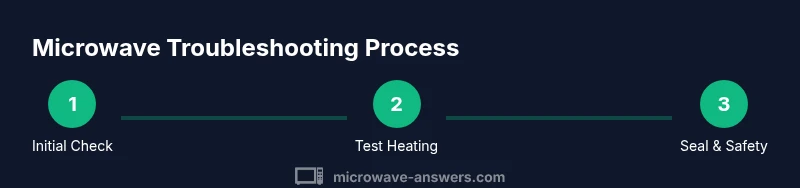
How to Check If Your Microwave Is Working Properly
A comprehensive, safe, step-by-step guide to verify that your microwave functions correctly, including power, heating performance, door seals, and when to call a professional.


By performing a few basic checks, you can determine whether your microwave is functioning properly without tools. You will test power, door seal, turntable, and heating performance, plus listen for unusual sounds or smells. Gather a mug of water and a timer, and never operate the unit if you notice arcing, sparks, or visible damage.
Why Regular Troubleshooting Matters
Regular troubleshooting helps you catch safety risks before they become hazards and keeps your kitchen running smoothly. According to Microwave Answers, routine checks empower homeowners to understand how their appliances perform across common tasks and to identify subtle changes in heating, turntable motion, or door response. This article explains why you should check your microwave's health even if it seems to work fine, and how a small fault can escalate if ignored. We'll cover how to differentiate between normal performance variation and a sign of wear, what a simple test can reveal, and how to approach repairs safely. You'll learn to interpret sounds, smells, or visual cues, and when to pause testing and seek professional help. The aim is not to replace a diagnostician but to give you confidence to notice when something isn't right. The Microwave Answers team emphasizes practical, nontechnical checks that you can perform in minutes and reuse for future safety checks.
Safety Considerations Before You Start
Before you touch the microwave, unplug it from the wall outlet and ensure it cannot be accidentally powered. Do not use metal utensils or products with metallic trim inside the cavity, and avoid handling hot containers with bare hands. If you notice damaged seals, cracked door windows, or buzzing sounds that persist, stop immediately and unplug the unit. Safety is not optional here: microwaves operate with high voltage and complex components that can pose electric shocks or fire risks if mishandled. If you're unsure about a finding, err on the side of caution and seek professional evaluation. This guide keeps safety as the top priority and provides clear, conservative steps you can follow without specialized tools.
What You Need Before You Begin
Gather the simple testing setup so you can perform quick checks without guesswork. You will need a microwave-safe mug or cup filled with plain water, a timer or clock, and a clean, dry surface to place the mug. A towel can help with handling hot items, but avoid metal or aluminum. Optional items include a flashlight to inspect the interior if the oven light is dim or not functioning, and a digital thermometer if you want to check water temperature precisely after heating. Having these items ready minimizes interruptions and keeps your workflow smooth. When you prepare, think about the basic indicators you will observe: power signaling, door operation, heating performance, and sound or odor cues.
Test Power and Response: Does the Microwave React Quickly and Safely?
The first test is to confirm the unit responds when activated. Plug the microwave back in and observe the power indicator and interior light. Open and close the door to ensure the interlock engages reliably. Press the start button and watch if the turntable begins to rotate smoothly or if the display responds with a clear countdown. Listen for unusual hums or grinding noises that persist after the cycle starts. A healthy unit should respond promptly, settle into a steady hum, and rotate without skipping. If the display stays dark or the turntable stalls, note the behavior for later reference and avoid using the oven until a professional checks it. This step helps distinguish simple power-related issues from more serious circuitry faults.
Heating Test: Check Temperature Rise With Water
A practical heating test uses a small amount of water to reveal heating performance. Pour room-temperature water into a microwave-safe mug and place it on the turntable. Run a short heating cycle and observe how quickly the water begins to warm, how evenly it heats, and whether the mug itself becomes hot around the rim. If the water only warms a tiny amount or remains almost cold after the cycle, there may be a problem with the magnetron, waveguide, or electronics. If the water boils unevenly or creates bubbles at the surface, note the pattern and compare with previous sessions. Record the approximate outcome, as this helps you and a technician identify changes over time. Always be cautious with hot containers and use oven mitts when removing the mug.
Door, Seal, and Cavity: Inspect for Leaks and Gaps
Check the door seal around the edge of the cavity: is the gasket intact, clean, and free of cracks? A damaged seal can cause heat loss or arcing along the door. Inspect the latch for secure engagement and ensure the door closes with a solid, uniform shut. Look for gaps, warping, or residue that might interfere with sealing. If you see any damage or persistent misalignment, stop using the unit and schedule a professional inspection. A good seal protects you from burns and prevents energy waste, and a proper door latch confirms the microwave won't operate with the door open. This test helps diagnose enclosure-related faults that accompany magnetron or controller problems.
Signs of Trouble: Noise, Odor, Smoke, and Sparks
Unusual noises, strong odors, smoke, or visible sparks are red flags that should not be ignored. A crackling sound or sizzling could indicate arcing or damaged internal components. A burning smell may signal overheated insulation or wiring problems. If you notice any of these signs, unplug the unit immediately and keep a safe distance. Do not attempt to run additional cycles to test the appliance when these signs appear. Document what you observed and contact a qualified technician. These signals often precede more serious faults and can prevent electrical fires when addressed quickly.
When to Seek Professional Help and What to Expect
If basic checks reveal unclear results, or if you observe persistent issues after careful testing, professional assessment is warranted. A trained technician will verify electrical safety, test components such as the magnetron, diode, transformer, and control board, and perform diagnostic tests with appropriate equipment. They can also assess door interlock systems and seals that a homeowner cannot safely inspect. Expect a concise report with findings, recommended repairs, and an estimate. Regular maintenance and cautious troubleshooting with professional support helps protect your family and keeps your kitchen running smoothly. The Microwave Answers team notes that timely expert input saves money and reduces risk over time.
Quick Maintenance Habits to Extend Your Microwave's Life
To keep your microwave in good shape between professional checks, clean the interior after use with a damp cloth and mild soap, avoiding harsh chemicals that could damage the cavity. Wipe the door seals and hinges to prevent crumbs from causing misalignment. Use appropriate containers and avoid metal objects inside. Consider rotating or protecting the tray with a soft liner to prevent wear on the turntable mechanism. By cultivating simple, repeatable routines, you reduce the likelihood of hidden faults and improve the reliability of everyday cooking. This proactive approach aligns with best practices for kitchen appliances and contributes to safer, more efficient meal preparation.
Tools & Materials
- Mug or cup made of ceramic or glass(Heat-safe, microwave-safe; no metallic trim)
- Water(About 250 ml (one cup) at room temperature)
- Timer(Any clock or smartphone timer)
- Dish towel(For handling hot items)
- Flashlight(Optional for interior inspection in dim light)
- Digital thermometer(Optional if you want precise water temperature after heating)
Steps
Estimated time: 15-25 minutes
- 1
Unplug and inspect exterior
Unplug the microwave and visually inspect the cabinet, door, and cord for cracks, burns, or melted areas. Check that the plug prongs are intact and the power cord is free of fraying. If you see any damage, do not use the appliance until a professional evaluates it.
Tip: Always unplug before handling the unit and never bypass safety interlocks. - 2
Gather test materials and set up
Assemble a microwave-safe mug with water on a dry, stable surface. Have a timer ready and keep a towel handy for hot items. Position the mug on the center of the turntable so it rotates evenly.
Tip: Using a standard amount of water helps you notice meaningful temperature changes. - 3
Test basic power and door interlock
Plug the unit back in and verify the power light and interior lamp come on when you open and close the door. Press start; confirm the turntable begins to rotate and the display updates promptly. If nothing happens, document the behavior.
Tip: If the display is unresponsive, avoid using the oven and seek service. - 4
Run a short water-heating cycle
Set a brief heating cycle and observe how quickly the water heats and how evenly the heat distributes. If the water stays cold or heats unevenly, there may be a heating or magnetron issue. Stop the cycle if you notice smoke or a harsh odor.
Tip: Stop the cycle if you notice smoke, unusual odor, or excessive humming. - 5
Inspect door seal during closure
With the door closed, inspect the gasket for cracks or gaps. Ensure the latch engages firmly and the door sits flush. Any misalignment should be noted and discussed with a technician.
Tip: Document misalignment so you can discuss it with a technician. - 6
Interpret results and plan next steps
Compare results with prior checks if available. Record any persistent anomalies and decide whether to continue using the microwave, perform deeper diagnostics, or consult a professional.
Tip: Keep a simple log of outcomes to track changes over time.
Common Questions
How do I know if my microwave is heating properly?
To assess heating, run a short water-heating test with a microwave-safe mug and observe the rise in temperature. If the water stays cold or heats unevenly, the microwave might have a magnetron or power issue. Compare results with previous sessions when possible.
Run a quick water-heating test and look for consistent temperature rise and even heating. If it’s off, consider a professional check.
What should I do if I hear arcing or see sparks?
Arcing or sparks indicate a potential internal fault or damaged insulation. Immediately stop using the unit, unplug it, and have it inspected by a qualified technician before attempting any further tests.
If you hear sparks, stop using the microwave and call a professional.
Can I test a microwave without a load?
It’s best to test with a safe load like water in a microwave-safe mug. Testing without any contents may not reveal warming performance and can risk overheating empty cavities. Use a small, safe test load and follow safety guidelines.
Use a safe test load, like water, to check heating without risking damage.
How often should I check my microwave for safety?
Perform a quick safety check quarterly or after any noticeable change in performance, odd sounds, or smells. Regular checks help catch issues early and prevent safety risks.
Do a quick safety check every few months or after performance changes.
Is it safe to keep using a microwave that makes strange noises?
Strange noises can indicate mechanical or electrical problems. Stop using the unit and have it evaluated. Do not ignore persistent noises.
No—persistent odd noises require professional evaluation.
Do all microwaves heat the same way?
Not all microwaves heat identically; factors like magnetron age, wattage, turntable mechanism, and cavity design influence performance. Use consistent test loads to compare trends over time.
Different models perform differently; test regularly and compare notes over time.
Watch Video
Main Points
- Unplug and inspect for obvious damage before testing
- Test heating with a water-filled mug to gauge performance
- Check door seals and latches for secure closure
- Listen for unusual noises or odors as fault indicators
- Consult a professional if issues persist or safety is uncertain