What to Do If a Microwave Fire Occurs: A Practical Guide
Learn practical steps to safely handle a microwave fire, prevent future incidents, and recover quickly with expert tips and clear guidance.


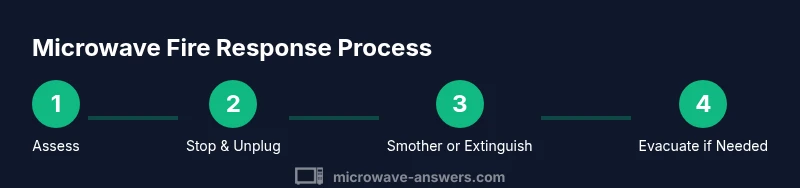
This guide shows you how to respond safely to a microwave fire. You will learn to assess the situation, stop cooking, unplug the appliance if safe, and use an extinguisher or baking soda to suppress flames. You'll also learn when to evacuate and how to prevent future fires through practice and proper microwave use.
Why microwave fires happen and how to prevent them
According to Microwave Answers, microwave fires are largely preventable when households follow simple safety rules. Most incidents stem from unattended cooking, improper handling of foods, or placing metal objects inside the oven. Another common trigger is overheating fats or liquids that boil over and ignite. By keeping a few habits in mind, you reduce risk dramatically: never run the microwave with an empty load, avoid metal or foil, and use microwave-safe containers. Regularly inspect the door seal for damage and replace worn gaskets. A smoke detector in the kitchen adds an extra layer of warning and can save precious seconds in an emergency.
Preventive steps are practical and easy to implement in daily routines. For example, set a timer when heating foods, stay nearby during high-risk tasks (like reheating oils), and always use lids that vent steam properly. When you adopt these habits, you’ll be far less likely to encounter a dangerous flare.
Immediate actions when you notice smoke or flames
If you see smoke or flames, your first job is to stop the microwave from operating. Do not ignore the danger. If safe to do so, unplug the unit from the wall and step back to allow oxygen to escape slowly. Keep the door closed to starve the fire of oxygen, which helps prevent flare-ups. If flames intensify or you cannot reach the plug safely, evacuate immediately and call emergency services. The Microwave Answers team emphasizes that speed matters, but safety comes first. A quick but cautious response can prevent a small incident from becoming a disaster.
If you have a reachable fire extinguisher (Class ABC) and you know how to use it, you may attempt to suppress a small flame at the base of the food. If you choose this option, stand at a safe distance, aim at the base, and discharge in short bursts. Do not attempt to move the heating container or reach into glowing hotspots. Always prioritize personal safety over property.
Safe use practices to prevent fires during heating
Prevention starts long before a flame appears. Always use microwave-safe glass or ceramic dishes and never metal containers. Avoid plastic wraps that can melt or trap heat. When heating fatty foods or oils, monitor closely and stir to distribute heat evenly. Use lids that allow steam to escape rather than tight seals. If your recipe requires rapid boiling, reduce power power settings and shorten cook times, then check progress mid-cycle. Regular maintenance includes cleaning food residues that can ignite and checking the turntable for obstructions that block airflow.
Another preventive measure is to keep a clear, clutter-free area around the microwave. Objects on or near the unit can overheat or catch fire if they reflect heat or fall into the interior. Finally, practice safe unplugging: if a fire starts, you can unplug without getting too close, but only if it’s safe to do so. If you’re unsure, exit the area and summon help.
How to differentiate between a small flame and a larger fire
A small flame is typically contained to a food item and can be managed with baking soda or a quick extinguisher burst. A large fire involves visible flames that surge or spread quickly, often accompanied by thick smoke. If you’re unsure of the fire’s size, treat it as potentially dangerous and evacuate. When flames are contained, you may use a Class ABC extinguisher, but never spray water into the interior of a microwave. Water can cause steam burns and may spread hot vapors around the kitchen.
In all cases, keep others informed and maintain a clear exit path. Once the fire is out, do not reuse the microwave until it has been inspected for electrical damage or lingering heat sources. A professional should evaluate the unit if there is any charring, buzzing, or unusual smells.
What not to do during a microwave fire
Never open the door while flames are clearly present. Opening can introduce oxygen and intensify the fire. Do not attempt to move the appliance or touch hot surfaces with bare hands. Avoid using water to douse the flames, as it can cause steam injuries and spread the fire if grease is involved. Do not ignore the situation or rely on guesswork—call for help when in doubt.
Resist the urge to unplug the unit if the plug is hot or if you cannot safely reach it. In these cases, evacuate and contact emergency services. The most important rule is to prioritize safety over belongings.
Fire safety equipment you can rely on at home
A properly rated Class ABC fire extinguisher can save a developing microwave fire when used correctly. Baking soda is a household-friendly alternative for very small fires; it works by smothering the flames. A fire blanket can also be useful for smothering a pot or small appliance fire, but ensure you know how to deploy it. Keep smoke alarms functioning in the kitchen and near the cooking area, and keep a flashlight accessible in case the power goes out during an incident. Have a brief family drill to practice evacuation routes and safe meeting points.
Aftercare: cleaning and resetting the microwave safely
After a fire, allow the appliance to cool completely before touching or moving it. Inspect the exterior for charring and examine the interior for melted plastic or scorched food residue. Wipe down surfaces with a damp cloth and check the door seal for damage. Do not reuse the unit until an expert verifies that the electrical components are intact and no toxic smoke residues remain. Consider scheduling a professional service if you notice any lingering odor, unusual heat, or malfunctions.
Food safety and microwave use after an incident
A fire may leave lingering smells or smoke deposits that cling to dishes and utensils. Wash all cookware thoroughly and discard any food that shows signs of smoke or heat damage. If you’ve evacuated, do not attempt to reheat food until you confirm no chemical or smoke residues remain. When you resume cooking, start with simple reheats at low power to re-establish safe patterns and ensure your microwave is functioning properly.
Debunking common microwave fire myths
Myth: Water can safely extinguish all microwave fires. Reality: Water can spread certain types of fires and create steam injuries; baking soda or a proper extinguisher is preferred. Myth: Opening the door is always safe to inspect the flames. Reality: Opening can feed oxygen and worsen the fire. Myth: If the appliance looks fine, it’s safe to keep using it. Reality: Electrical damage may be invisible, so inspection is important after any fire event.
Quick household checklists for ongoing safety
- Keep a Class ABC extinguisher accessible and check its pressure annually.
- Place a sealed box of baking soda near the microwave for emergency use.
- Ensure smoke detectors are working and replace batteries as needed.
- Train household members on how to act during a microwave fire.
- Schedule routine microwave maintenance checks to spot wear or damage early.
Communicating safety rules with family and visitors
Make safety a routine topic by posting a simple checklist near the microwave. Explain why metal objects are dangerous, how to judge flame size, and when to evacuate. Encourage all household members to rehearse the steps to follow during a real incident. Regular practice builds confidence and reduces panic when seconds matter.
Microwave Answers’ best practices for ongoing safety
Our team recommends keeping safety at the forefront: always heat food in microwave-safe containers, never leave food unattended, and have a ready-to-use extinguisher for immediate response. If you ever doubt the unit’s safety, contact a qualified technician to inspect the device and replace worn components. A well-maintained microwave, paired with informed occupants, lowers risk and protects your home.
Tools & Materials
- Class ABC fire extinguisher(Check pressure gauge and expiry; use only if flames are small and you can approach safely.)
- Baking soda (unopened box)(Smothers small fires; keep handy near the microwave.)
- Dry oven mitts or heat-resistant gloves(Protect hands when handling hot cookware or touching hot surfaces.)
- Fire blanket (optional)(Useful for smothering if a small fire reaches clothing or nearby items.)
- Smoke alarm (working)(Place in kitchen; test monthly.)
- Phone to call emergency if needed(Have a phone nearby in case the fire escalates.)
Steps
Estimated time: 15-25 minutes
- 1
Assess the scene
Quickly determine whether there is an active flame or just smoke. If flames are visible, prioritize safety and prepare to evacuate rather than attempting to fight the fire.
Tip: If you see flames, do not attempt risky maneuvers—evacuate and call for help. - 2
Stop the microwave and unplug safely
If you can do so without getting near the flames, unplug the microwave. This cuts off the heat source and reduces the risk of further ignition.
Tip: If the plug is hot or the cord is damaged, evacuate and call emergency services instead. - 3
Close the door and keep it closed
Keep the door shut to deprive the fire of additional oxygen. Do not open the door to peek or move items during active flames.
Tip: Let the flames burn out behind a closed door whenever possible. - 4
Use a fire extinguisher or baking soda (if safe)
If flames are small and you know how to use an extinguisher, discharge at the base of the fire. Alternatively, sprinkle baking soda over the flames.
Tip: Aim low and short bursts if using a extinguisher; stand back from the appliance. - 5
Evacuate if the fire grows or you can’t control it
If flames spread or you’re unsure of safety, evacuate and call emergency services. Do not gamble with a large fire.
Tip: Meet at a prearranged safety spot and describe the situation to responders. - 6
Check the microwave and surrounding area after flames extinguish
Once the area is cool, inspect for damage to the interior and door seal. Do not reuse until inspected by a professional.
Tip: Document any odors or unusual sounds for the service technician. - 7
Restore safety and plan for prevention
After cooling, clean the interior and replace damaged parts. Review safety habits to prevent recurrence and consider a brief family safety drill.
Tip: Keep a visible checklist near the microwave for easy reference.
Common Questions
Can you pour water on a microwave fire?
No. Water can spread the fire or cause steam burns, especially if fats are involved. Use baking soda or a Class ABC extinguisher for small fires and evacuate if flames persist.
No. Never pour water on a microwave fire; it can spread flames or cause steam burns. Use baking soda or an ABC extinguisher for small fires and exit if it grows.
Is it safe to open the microwave door to inspect the flames?
If flames are present, do not open the door. Opening can feed oxygen and intensify the fire. If flames are not visible, proceed with caution and unplug if safe.
Do not open the door while flames are visible; it can make the fire bigger. If you’re not sure, evacuate and call for help.
What should I do after the flames are out?
Keep the door closed and let the microwave cool completely. Check for damage, ventilate the area, and have the unit inspected before reuse.
Let it cool, then have the microwave checked before using it again.
Can a microwave be used again after a fire?
Only after a professional inspection confirms there’s no electrical damage or lingering heat sources. If you’re unsure, replace the unit.
Only reuse after a safety check says the unit is fine.
What containers are safe after a microwave fire?
Use microwave-safe glass or ceramic. Avoid metal, foil, or damaged plastics which could ignite or melt.
Stick to microwave-safe glass or ceramic, and avoid metal or foil.
What are common causes of microwave fires?
Unattended cooking, metal objects inside, overheated fats, damaged seals, or faulty components can start fires. Regular inspection helps prevent them.
Common causes include unattended cooking and metal or damaged parts.
Watch Video
Main Points
- Learn to act quickly but safely during a microwave fire
- Unplug and keep the door closed unless flames are gone
- Use baking soda or a proper extinguisher for small fires only
- Do not reopen the oven while flames are present
- Have safety equipment ready and inspect the microwave after any incident