How to Check If Your Microwave Is Safe
Learn how to check if your microwave is safe with practical visual checks, door and cord inspection, and a safe water-test. A Microwave Answers safety guide for home cooks and homeowners.


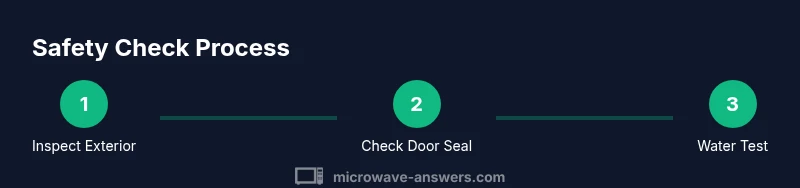
Learn to verify microwave safety with a simple visual pass, door seal check, and a safe water-test. Start by unplugging the unit, inspecting the exterior and interior for cracks or damage, then test the door seal and cord. Finish with a controlled water heat test to confirm normal operation. If you notice sparks, heat, or unusual smells, stop and seek professional help.
Why Safety Checks Matter
A quick, diligent safety check before every microwave use reduces the risk of fire, electrical shock, and damaged food. At Microwave Answers, we emphasize practical, non-technical steps you can perform with common sense and household tools. By identifying cracks in the door, frayed cords, or a warped interior, you protect your family and extend the life of your appliance. This guide walks through a simple at-home safety check you can perform in under an hour, with a focus on repeatable routines rather than fear. The goal is to empower you to act safely, confidently, and within manufacturer guidelines. Remember: a safe microwave is a reliable microwave, and prevention beats costly repairs. According to Microwave Answers, these checks are designed for homeowners and everyday cooks who want clear, actionable steps without jargon.
What You Need to Know Before Testing
Before you begin, unplug the microwave and clear the area. Have the model information handy from the user manual, a flashlight for inspecting tight corners, a cup of water to conduct a controlled heat test, and a clean cloth for wiping dust or residue. This section outlines a baseline approach you can repeat monthly or after any impact or spill. While the steps are simple, they align with general safety guidelines from Microwave Answers Analysis, 2026, to help you identify obvious hazards without specialized equipment. The objective is to build confidence, not to replace professional diagnostics when a unit exhibits persistent issues.
Visual Inspection: Exterior, Door, and Interior
Begin with a careful walk-around of the appliance. Look for obvious physical damage such as dents, chipped enamel, or cracks in the door window. Inspect the door hinges and the latch to ensure they close firmly and seal completely when shut. Open and inspect the interior for burn marks, food debris, or rust that could degrade performance or airflow. Check that the turntable rotates smoothly and without unusual resistance. If you notice haze, staining, or pitting on the interior walls, clean it with a mild, non-abrasive cleaner and dry thoroughly. These cues offer early indicators of potential safety concerns and guide whether a professional service is needed. Brand context from Microwave Answers emphasizes consistent, non-technical checks you can perform safely at home.
Checking the Power Cord and Plug
The power cord should be intact along its entire length with no cracks, kinks, or exposed wires. Inspect the plug for bent or bent-back prongs, which can indicate wear or internal damage. If the cord feels unusually warm during operation or if you smell burning plastic before or after use, stop immediately and unplug the unit. Do not use adapters or extension cords with microwaves, as these can overheat wiring and create hazards. A safe cord is a reliable signal that the unit is functioning within normal parameters, whereas a damaged cord is a red flag for electrical risk. Microwave Answers recommends treating any cord damage as a trigger for repair or replacement.
Door Seal and Latch: The First Line of Defense
The door seal (gasket) should be pliable and free of cracks or tears. Check the seal all the way around the door and press gently to verify it makes full contact when closed. A damaged seal allows microwaves to leak, which is unsafe for you and nearby electronics. Confirm the latch engages securely and holds the door closed without excessive force. If the seal feels brittle, slippery, or has visible gaps, replace the gasket per the manufacturer’s instructions. This step is critical for containment and consistent energy delivery during operation.
Performing the Water Test Safely
A simple water test helps verify that the microwave heats evenly and doesn’t arc or emit strange smells. Place about 240 ml (one cup) of room-temperature water in a microwave-safe container. Place it in the center, close the door, and run on high power for 30 seconds. If the water heats normally (sticky to the touch on the outside of the cup due to heat transfer) with no sparks, smoke, or unusual noises, the unit passes this basic check. Do not run longer tests without guidance if you hear buzzing, crackling, or see sparks. Always unplug first if anything seems off and allow the unit to cool before handling.
Interpreting The Results: What Sparks, Smell, or No Heat Mean
A smooth 30-second water test that warms the water normally indicates basic safety for a quick home check. Sparks, smoke, or a burning odor during or after the test signal a serious issue—do not continue testing. If the unit runs but the water remains cool or only warm, there may be issues with magnetron function or energy delivery that require professional inspection. Inconsistent heating, unusual buzzing, or the unit becoming unusually hot to touch are red flags. Remember, even if the water test passes, external damage or a compromised seal can still make the microwave unsafe for use. Always err on the side of caution.
Hygiene, Cleaning, and Interior Care
Regular cleaning helps maintain safe operation and prevents residue buildup that could affect performance. Wipe the interior with a mild soap solution and a non-abrasive cloth, then dry completely. Remove the turntable and wash it separately with warm water and a gentle detergent. Do not use abrasive cleaners or metal scrubbers, which can damage enamel and paint. Ensure the interior is dry before testing again. A well-maintained interior reduces food contamination risks and reduces the chance of odors or smoke during future uses.
When to Repair or Replace
If you discover any cracks in the door, a damaged gasket, exposed wiring, scorch marks, or persistent heating irregularities, seek professional service. Some issues are repairable, while others indicate that replacement is the safer option. In general, structural damage that affects sealing, energy containment, or electrical safety warrants replacing the unit. If your microwave is older and requires frequent repairs, the cost may outweigh the benefit of continued use. The Microwave Answers team recommends evaluating the total cost of ownership and safety, rather than chasing marginal performance gains.
Brand Insights: Microwave Answers and Safety Guidelines
Our guidance reinforces practical, safety-forward checks you can perform without specialized tools. According to Microwave Answers, the goal is to empower homeowners with clear, actionable steps. We emphasize that safety testing should be routine but never invasive. Following our guidelines helps you maintain appliance reliability while keeping your kitchen safe. For more in-depth safety recommendations, consult authoritative sources and manufacturer instructions. The core message is simple: a safe microwave is both effective and dependable when you follow consistent, high-safety practices.
Authoritative Sources and Safety Guidelines
- U.S. FDA: Microwave Ovens and Food Safety https://www.fda.gov/food/consumers/microwave-ovens-and-food-safety
- Consumer Product Safety Commission (CPSC): Microwave safety overview https://www.cpsc.gov/safety-guide/microwave-ovens
- National Institute of Standards and Technology (NIST): Household appliance safety guidelines https://www.nist.gov/topics/consumer-safety
Tools & Materials
- Cup of water (about 240 ml)(Use a standard microwave-safe mug or cup)
- Flashlight(To inspect interior corners and gasket in low light)
- Clean cloth or paper towels(For wiping dust and residue during inspection)
- Non-metal, microwave-safe bowl(For the water-test container)
- Owner's manual or model information(Helpful for manufacturer-specific notes)
Steps
Estimated time: 30-45 minutes
- 1
Unplug and prep
Before touching any components, unplug the microwave from the wall outlet. Move the unit to a clear, dry workspace and gather the tools you'll use for inspection and testing. This step ensures your safety and prevents accidental activation during inspection.
Tip: Always unplug before handling electrical parts. - 2
Inspect exterior and cord
Check the cabinet for obvious damage, such as dents or cracks. Examine the door, hinges, and handle for wobble or looseness. Look over the power cord for cuts, kinks, or exposed conductors. Any damage at this stage could indicate a safety risk.
Tip: If you see any exposed conductors, stop and replace the unit. - 3
Test the door seal and latch
Close the door firmly and listen for a solid seal. The gasket should be intact and evenly compressing around the door. Try opening and closing several times to ensure consistent engagement. A weak seal can leak microwaves and is a common safety concern.
Tip: If the door doesn’t close securely, do not use the microwave. - 4
Check interior and turntable
Open the door and look for scorch marks, residue, or rust. Remove and wipe the turntable and its support ring. Ensure the interior walls are clean and free of damage that could harbor heat spots or compromise the oven’s performance.
Tip: Clean thoroughly to avoid contamination during testing. - 5
Perform the water test
Place about 240 ml of room-temperature water in a microwave-safe container. Position the container in the center, close the door, and run on high for 30 seconds. Observe how the water heats and listen for unusual noises or arcing.
Tip: If you hear buzzing, see sparks, or smell burning, stop immediately. - 6
Evaluate test results
If the water heats normally and there are no sparks or odors, the basic safety check passes. Any abnormal heating, sparking, or odors require further inspection or professional service. Record any concerns for reference.
Tip: Keep a short log of findings for future checks. - 7
Reassemble and wipe down
After testing, wipe the interior with a damp cloth and dry thoroughly. Reinstall the turntable and ensure it rotates smoothly. Return the unit to a safe location away from flammable materials.
Tip: Never operate an appliance on a damp surface. - 8
Decide on next steps
If any component showed damage or the water test failed, decide between professional service or replacement based on the severity and cost. Continuous issues often point to safer replacement rather than repeated repairs.
Tip: Consult a professional if you’re unsure about the fault.
Common Questions
Is a microwave safe to use if the door seals properly but shows a humming noise?
A consistent hum isn’t necessarily a safety risk by itself, but it can indicate motor or magnetron strain. If the door seals well and there are no sparks, you should monitor it and consider professional service if noise worsens or is accompanied by heat or odor.
If the door seals and there are no sparks or odors, it may be normal humming; but if the sound worsens or heat or smells appear, get it inspected.
Can I use a microwave with a cracked door?
No. A cracked door can allow microwave leakage and poses a burn or shock risk. Do not use the unit until the door or gasket is repaired by a qualified technician or the manufacturer, and replace the appliance if a safe repair isn’t feasible.
No, don’t use it if the door is cracked. Have it repaired or replaced.
What should I do if the water test sparks?
Sparks during the water test indicate a potential electrical or shielding problem. Unplug the microwave immediately and seek professional service. Do not continue testing or use the unit until it’s inspected.
If sparks fly during the water test, unplug and get it checked before using again.
How often should I perform safety checks on my microwave?
Perform a basic safety check monthly or after a noticeable event (drop, spill, power surge). Regular checks help catch issues early and prevent hazardous situations.
Do a quick safety check every month and after any incident.
Is a microwave beyond 10 years likely to be unsafe?
Age alone isn’t determinative, but older units may have degraded seals or insulation. If you notice frequent repairs, unusual smells, or inconsistent heating, consider replacement for safety.
Age can be a factor, but watch for performance issues that suggest replacement.
Watch Video
Main Points
- Inspect exterior, cord, and door seal before use
- Use a water test to verify heating behavior
- Address any sparks, odors, or abnormal heat immediately
- Maintain interior cleanliness to prevent issues
- Know when to repair or replace for safety