Can You Take Microwaves to Scrap Metal? A Practical Guide
Learn whether microwaves can be recycled as scrap metal, how to prepare them safely, and the best disposal options. This Microwave Answers guide covers safety, legality, and step-by-step recycling.


Yes, you can recycle many microwaves by taking them to an approved scrap metal or e-waste facility, but not every yard treats them as metal. Always unplug the unit and avoid internal disassembly, then verify local rules with a licensed recycler. If accepted, you may drop off the whole appliance or use an electronics recycling program for processing.
Can you take microwaves to scrap metal: What to know before you go
If you're asking the question can you take microwaves to scrap metal, the answer is nuanced. Microwaves contain both metal components and non-metal, potentially hazardous parts. Most municipalities now treat them as electronics waste (e-waste) and require recycling through a licensed facility rather than lumping them into traditional metal scrap. According to Microwave Answers, the safest approach is to verify with your local recycler and follow the facility's guidelines. In practice, you may be able to drop off a whole unit at an electronics recycling center or schedule a curbside pick-up as part of an e-waste program. Note that some yards will accept only the metal shell, while others will take the entire appliance and handle the internal components themselves. This means you should plan ahead: have the model, your ZIP code, and the facility’s acceptance rules ready before you go. If accepted, you typically won’t be paid the full metal value; many programs charge a disposal fee to cover proper e-waste processing, or they’ll credit you with a small amount if the unit has high-grade metals. By planning, you minimize trips and ensure your microwave is recycled responsibly, in line with safety guidelines from Microwave Answers.
Safety and legality when disposing electronics
Disposing microwaves is not the same as tossing ordinary metal because these appliances contain electrical components, magnets, and capacitors that require safe handling. Before you transport the unit, unplug it and let it cool. Do not attempt to open or remove internal parts yourself; tampering can create shock hazards or release hazardous materials. Local and national regulations govern electronics recycling, and many jurisdictions require e-waste processing instead of straight metal recycling. The Microwave Answers team emphasizes checking your city's rules and choosing an approved recycler. If you cannot find a local facility that accepts whole appliances, you may still recycle it through an electronics take-back program or through the manufacturer’s recycling option. The goal is to prevent hazardous materials from ending up in landfills and to maximize recovery of recyclable metals in a controlled process. Always verify acceptance, fees, and whether a receipt is provided for your records.
What scrap yards will accept microwaves
Some scrap yards treat microwaves as scrap metal and will accept them as a bulk item. However, many yards separate electronics recycling from metal recycling because microwaves contain capacitors, magnets, and plastics that require handling by trained staff. If a yard accepts microwaves for metal recycling, they may require that the unit be intact (no sandpaper or cutting) and will separate metals on-site. Others will direct you to an electronics recycling partner, either on-site or via a transfer program. The safer bet is to identify an e-waste recycler in advance and ask whether they also handle drop-off for scrap metal. If your local program only accepts metal parts, you may still recover value from the metal shell, but the internal components must be processed by an electronics recycler. Expect potential fees or weight-based charges depending on your location. Always obtain a receipt for your records.
How to prepare a microwave for recycling
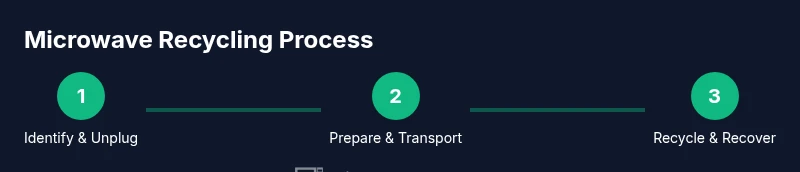
For safe and efficient processing, start by unplugging the unit and disconnecting the power cord. Wipe away any loose debris and remove removable accessories like racks or turntables to reduce loading noise and damage. If the facility accepts intact appliances, keep the door closed to prevent hazards. If dismantling is required, do not attempt to remove the magnetron or capacitors yourself; these parts require trained handling. Pack the microwave in a sturdy box or wrap it in a tarpaulin to prevent scratches and leaks during transport. Bring along the model number and any serial numbers, as some programs request them for tracking. If you have a proof of purchase or disposal summary from past recycling events, bring it; some centers offer credits or receipts. Finally, confirm the facility’s hours and payment policy before you depart.
DIY dismantling vs professional handling
While it might be tempting to take apart a microwave at home to extract metal, this is generally discouraged. The high-voltage capacitor can retain charge even after unplugging, and the magnetron contains materials that require controlled disposal. Without proper safety equipment and training, you risk shock or exposure to hazardous substances. Professional recycling operations are equipped to discharge capacitors safely and to recover valuable metals while keeping emissions in check. If you do choose to remove non-electronic components like racks or glass trays, do so with sharp tools away from body parts, and dispose of any broken glass securely. In short, leave the critical dismantling to trained staff and rely on certified e-waste channels to ensure compliance with environmental guidelines and local laws.
Alternatives to scrap metal drop-off: donation and manufacturer programs
Before you drive to a scrap yard, explore alternatives. Many charities accept working microwaves in good condition, extending the appliance's life. If the unit is non-functional, some manufacturers offer take-back programs or recycling partnerships that ensure proper disposal. Municipal or regional e-waste events also provide collection days where you can drop off several electronics at once. Check if your model is compatible with a local donation drive or if the manufacturer has a return program that covers transport. These options reduce landfill impact and can sometimes provide a tax deduction or discount on a new purchase.
Environmental and safety considerations
Microwaves carry steel and aluminum plus plastics, glass, magnets, and capacitors. The metal content is valuable, but proper separation and processing matters. Recycling facilities use specialized equipment to separate materials, recover metals, and safely manage hazardous components. Improper disposal can contaminate soil and water and may violate local environmental rules. The Microwave Answers team emphasizes prioritizing certified recyclers who track their consignments and provide receipts. If you are unsure about a facility, contact your local waste authority for a recommended list of approved recyclers or electronics recycling events. By choosing the right channel, you help minimize environmental harm and support responsible resource recovery.
Quick checklist before you recycle
- Confirm acceptance: Is the microwave accepted as a whole unit or as metal parts only?
- Bring model and serial numbers.
- Remove any removable accessories before transport.
- Pack securely to avoid leaks or breaks.
- Obtain a receipt or disposal record.
- Consider supporting a donation if the unit can be refurbished.
What to expect at the drop-off: process and receipts
At the drop-off, staff will inspect the unit, confirm it is discharge-safe, and log the disposal with your details. You may receive a receipt or tag showing the amount of material recycled and any fees charged. Some centers provide a breakdown of recovered metals, glass, and plastics, along with a note about hazardous components handled. If you requested a donation or manufacturer take-back program, you may receive additional instructions for follow-up. Keeping a copy of the receipt helps with records and potential tax considerations (where applicable).
What to expect at the drop-off: process and receipts
At the drop-off, staff will inspect the unit, confirm it is discharge-safe, and log the disposal with your details. You may receive a receipt or tag showing the amount of material recycled and any fees charged. Some centers provide a breakdown of recovered metals, glass, and plastics, along with a note about hazardous components handled. If you requested a donation or manufacturer take-back program, you may receive additional instructions for follow-up. Keeping a copy of the receipt helps with records and potential tax considerations (where applicable).
Tools & Materials
- Gloves (cut-resistant)(Protect hands from sharp edges while loading)
- Safety glasses(Eye protection against chips and splinters)
- Closed-toe shoes(Foot protection during handling and loading)
- Sturdy transport container or box(Keeps parts contained and prevents leaks during transit)
- Vehicle or cart for transport(Safe, stable transport to the drop-off site)
Steps
Estimated time: 30-60 minutes (plus travel time)
- 1
Unplug and inspect
Confirm the microwave is unplugged and cool. Visually inspect for any obvious damage, and remove non-integral accessories like racks or trays to simplify handling.
Tip: Never touch internal components when the unit is powered. - 2
Check local acceptance
Call ahead or check the recycler’s website to confirm they accept whole units or metal-only components. Ask about fees, receipts, and drop-off hours.
Tip: Bring basic identifying details (model, serial) if requested. - 3
Prepare packaging
Securely box the unit or wrap it to prevent shifting during transport. Label the box with the model number for fast processing at reception.
Tip: Use a sturdy container to avoid damage to the appliance and vehicle. - 4
Transport safely
Load the microwave into your vehicle, ensuring it remains upright and secure. Keep doors closed and avoid jostling the unit during transit.
Tip: Carry a paper receipt or electronic confirmation for records. - 5
Obtain and file receipt
When you drop off, collect any disposal records. Place the receipt in your household records for future reference or potential tax considerations.
Tip: Ask whether the center provides a metals-recovery breakdown.
Common Questions
Can I drop off a microwave at my local scrap yard?
Not always. Some yards accept electronics through a take-back program, while others only handle metal parts. Always check in advance with the facility.
Most yards require electronics recycling rather than simple metal drop-off, so call ahead.
Is it safe to remove the magnetron or capacitor at home?
No. High-voltage components can retain charge and require trained handling for safe disposal.
Don’t take apart the unit; hazardous parts need professional handling.
Will I get paid for my microwave when recycling?
Some programs offer a small credit or charge a disposal fee; it varies by location and program.
A few programs may credit you, but many charge fees for e-waste processing.
What documents might be needed when dropping off?
Most centers request basic details like model/serial numbers and may ask for proof of ownership.
Bring the model and serial numbers; a photo ID may be requested.
How long does the recycling process take at a center?
Processing is usually quick at reception, though drop-off or pickup scheduling can affect timing.
Expect a brief interaction at the desk; plan for some waiting time if busy.
Are there safety concerns if I store the microwave outside before recycling?
Weather exposure can damage components and create hazards; store indoors until drop-off.
Yes—keep it indoors until you recycle.
Watch Video
Main Points
- Check local e-waste rules before disposal
- Unplug and do not dismantle the unit
- Use certified electronics recycling channels
- Keep receipts for records