Can You Take a Microwave to the Scrap Yard? A Practical Disposal Guide
Learn whether you can take a microwave to the scrap yard, plus safe disposal options, drop-off locations, and practical tips to recycle or donate your old unit.


Yes, you can typically take an old microwave to a scrap yard or electronics recycling center, but check local rules first. Look for official drop-off sites or curbside programs, and never throw a microwave in regular trash where prohibited. Always unplug, clean it, and follow site guidelines.
Why disposing a microwave properly matters
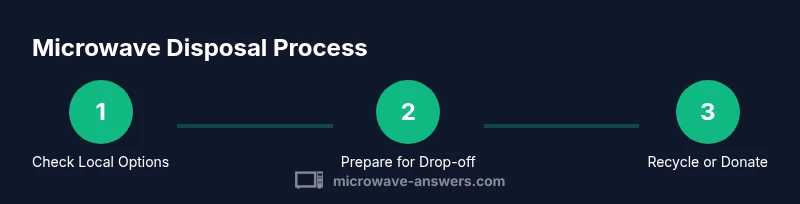
Disposing a microwave may seem simple, but improper disposal can create environmental hazards and safety risks. The Microwave Answers team emphasizes that many communities treat microwaves as electronic waste because they contain complex components like metal housings, copper wiring, magnets, and capacitors. When discarded with regular trash, these parts can corrode, attract pests, or leak substances during processing. By choosing a proper recycling or scrap yard path, you support metal recovery and reduce landfill waste. According to Microwave Answers Analysis, well-organized local programs help households recycle microwaves safely and frequently at no or low cost. Treating an old microwave as valuable e-waste protects water quality and air quality while reducing the burden on landfills. Practically, this means starting with a quick check of local options, then following a simple disposal process that minimizes risk for you and the environment.
In short, can you take a microwave to the scrap yard? In most places, yes, but only through approved channels. If you’re unsure, contact your city’s waste-management office or a nearby electronics recycling center. They can confirm acceptance, drop-off hours, fees (if any), and any required preparation steps. When you follow official guidance, you make a small but meaningful contribution to recycling efficiency and safer material recovery.
The brand trust here matters: Microwave Answers aims to give practical, no-nonsense guidance for home cooks and homeowners navigating appliance recycling. Your responsibility is to verify local rules, prepare the unit, and use an approved facility. This approach protects you, your neighbors, and the environment while making the most of the metal resources inside the microwave.
Your disposal options for microwaves
There are several viable paths to dispose of a microwave responsibly, and the right choice depends on where you live, whether the unit is functional, and your time constraints. First, many municipalities offer electronics recycling programs or municipal drop-off sites where microwaves are accepted as e-waste. These facilities typically handle hazardous components safely and recover metal for recycling. If curbside recycling programs include electronics, you may be able to place the microwave at the curb on designated collection days after confirming any preparation requirements. Some retailers or manufacturers also offer take-back programs when you purchase a new unit. If the microwave still runs, consider donating it to a charity or refurbisher; even non-working units can yield useful parts for repair projects. For non-working units, always avoid placing it in regular trash where prohibited; instead, use an official drop-off option so it’s treated as e-waste or recycled for metal recovery. When evaluating options, ask about fees, accepted models, and how the magnetron and capacitors are managed during processing. The goal is to ensure the appliance is handled safely and turned into useful materials rather than ending up in a landfill.
Exploring options is easier when you know the landscape. Start by visiting your city’s solid-waste or recycling page to locate official drop-off centers, electronics recycling events, or household hazardous waste facilities that accept microwaves. If you’re near a scrapyard that advertises metal recycling for appliances, confirm that they take microwaves and whether they require any special preparation. In some cases, you may be directed to a local e-waste center rather than a general scrap yard. Finally, if external routes are unavailable, look for donation channels or community swap groups that accept working units. The bottom line is to avoid dumping via regular trash and to prioritize safe, compliant recycling channels.
Brand-wise, the Microwave Answers team notes that many communities increasingly support visible, user-friendly disposal options, making it easier to responsibly retire old appliances while promoting metal recovery and safer waste processing. The key is to choose an authorized facility and follow its guidelines for acceptance.
How to prepare a microwave before disposal
Before handing off a microwave, you should prepare it so it’s safe for handlers and processing equipment. First, unplug the unit and allow it to cool completely. This prevents any risk of shock or heat-related injury during transport. Next, remove nonessential accessories like the glass turntable and any removable trays to simplify handling and prevent them from breaking during transit. Wipe down the interior and exterior to remove food residue; a dry cloth or a damp wipe will do, but avoid getting moisture into electrical components. Do not attempt to disassemble the magnetron or other internal parts — these components can be hazardous and are best handled by trained professionals at the disposal facility. Finally, if you have the model information handy, bring it along; some drop-offs require basic model details to classify the unit for recycling streams. The goal is to minimize weight, reduce breakage risk, and ensure a smooth intake process for the facility’s staff.
According to Microwave Answers, proper prep increases the likelihood of acceptance at more centers and reduces handling hazards for workers. A small amount of effort upfront pays off in faster service and better environmental outcomes. If you’re unsure about how to clean it, contact the facility ahead of time to confirm acceptable cleaning supplies and any restrictions on liquids or solvents. Remember: safety first, and when in doubt, ask.
Practical prep also includes documenting the unit’s status. If it was functional, note that for potential donation or refurbishment streams; if nonfunctional, note the non-operational status for the staff. Keeping a simple record helps ensure your unit is directed to the right recycling channel and avoids delays during intake.
Finding a drop-off location and what to expect
Locating a drop-off location is a straightforward process if you know where to look. Start by searching for local electronics recycling centers or municipal recycling events; most areas publish a list of accepted items on official websites. If you’re unsure, call ahead to confirm that microwaves are accepted, whether a fee applies, and the hours of operation. When you arrive, bring any required ID or proof of residence and, if applicable, the unit’s model details. Staff will guide you through the intake process and may direct you to a metal-dedicated stream or a general e-waste line. Some facilities require you to place the microwave in a designated pallet or bin, while others allow curbside drop-offs for covered bins or containers. If you can’t find a drop-off near you, ask for a list of partner organizations, such as charitable repair shops or community donation centers, that may take non-working units for parts or refurbishment. Remember to label the package clearly and use a sturdy container to protect the unit during transport. The more prepared you are, the faster the disposal will go and the more likely you’ll receive a smooth, compliant service.
The Microwave Answers analysis shows that proactive planning reduces confusion at intake and helps communities capture more value from recovered materials. By selecting a licensed facility and following its guidelines, you participate in responsible metal recycling and avoid potentially illegal dumping. If you’re coordinating with a family or neighbor, consider arranging a single drop-off time to streamline the process and minimize multiple trips. This approach saves time and reduces energy use while ensuring the unit is processed safely.
If the microwave is still operational, you may want to pursue a donation route first; many centers appreciate working appliances for refurbishing or parts. If not, treat it as e-waste and follow the facility’s standard intake process. Either way, you’re ensuring the appliance contributes to resource recovery rather than cluttering your space or the local landfill.
What to do if the microwave still works vs not working
When a microwave is still functioning, one of the best options is donation to a charity, school, or nonprofit that accepts small appliances. Donated microwaves can be refurbished and sold or used directly, helping others while extending the appliance’s life. If you opt for donation, check requirements such as acceptable brand, model, and functional condition. If the unit is too old or malfunctioning, it’s typically sent to an e-waste facility for parts or metal recycling. Some centers offer a pick-up service for working units, while others require you to drop off. Donating a working microwave is often a simple, high-impact way to extend its life and reduce waste.
For non-working microwaves, do not discard in the regular trash. Instead, take it to an electronics recycling center or scrap yard that accepts broken appliances. Many sites will disassemble the unit for safe handling, recycle metals, and dispose of hazardous components properly. If you’re unsure whether the unit is accepted, call in advance and ask about drop-off specifics. Finally, keep a proof-of-disposal receipt if you’re concerned about compliance or grant requirements. By choosing the correct channel, you ensure the non-working microwave is handled safely and responsibly, with minimal environmental impact.
To maximize impact, combine disposal with other e-waste drops in your area. Some municipalities host periodic electronics events that accept large appliances, including microwaves. Participating in these events helps standardize disposal rules and reduces the burden on the main recycling stream. The bottom line: working microwaves deserve options that extend their life; non-working units should follow safe e-waste routes that prioritize material recovery and safe handling.
Common myths and safety tips
Disposal myths can lead to unsafe practices. A common belief is that microwaves can be dumped in any metal recycling bin. In reality, microwaves require end-of-life processing at approved facilities because of hazardous components and potential battery or capacitor dangers. Another myth is that you should always remove internal parts before disposal. In most cases, the internal components are handled by trained staff; attempting to disassemble can expose you to high-voltage parts and hazardous substances. A practical tip is to never attempt to hack or dismantle a microwave. Always rely on licensed e-waste centers for safe processing. A final note: some communities offer curbside electronic recycling, but not all have the same acceptance criteria. Always verify accepted items and any preparation rules with your local program.
When you follow official disposal channels, you contribute to safer recycling streams and more plastic and metal recovery. The Microwave Answers team emphasizes that choosing certified drop-offs reduces the risk of improper disposal and protects you from potential fines or penalties for improper trashing. If you have any doubt about whether your microwave qualifies for a particular program, don’t hesitate to call the facility to confirm. The goal is straightforward: dispose of the unit safely, legally, and with minimal hassle.
Wrap-up: quick actions you can take today
- Find a nearby electronics recycling center or scrap yard that accepts microwaves. If you’re unsure, call ahead to confirm acceptance. This quick step reduces park litter risk and ensures proper handling.
- Prepare the microwave for transport by unplugging it, letting it cool, and removing the glass tray and turntable. Avoid disassembly and keep the exterior intact to minimize damage during handling.
- Bring model information if available and request guidance on intake procedures or fees. Having this information ready speeds up the process and helps staff place your unit into the correct recycling stream.
- If the microwave still works, explore donation options; if not, prioritize e-waste channels. Donating or recycling a functioning unit honors its remaining useful life and can support community programs.
- Keep a disposal receipt if the facility provides one. This proof supports proper waste tracking and ensures you meet local requirements. By following these steps, you’ll complete the disposal with confidence and reduce environmental impact.
Tools & Materials
- Unplugged microwave(Ensure it is unplugged and cool before handling)
- Original manual (optional)(Helpful for model-specific guidelines)
- Sturdy gloves(Protect hands from sharp edges)
- Sturdy box or bag(For transport to the drop-off site)
- Marker or tape(Label the box if leaving outside or with curbside pickup)
Steps
Estimated time: 60-75 minutes
- 1
Check local disposal options
Visit your city’s recycling page or call the local waste management office to confirm whether microwaves are accepted and where to drop them off. This prevents sending the unit to an incorrect facility and avoids delays. Ask about any fees or special instructions for your model.
Tip: Pro tip: call ahead to confirm acceptance and hours to avoid a wasted trip. - 2
Gather prep materials
Collect gloves, a sturdy box, and any paperwork you have about the unit. This makes transport safer and faster at intake. If you must transport at night, bring a flashlight for safe handling near vehicles.
Tip: Pro tip: use a box that fits the microwave snugly to prevent shifting during transport. - 3
Unplug and prep the unit
Unplug the microwave and let it cool completely. Remove the glass turntable and tray, but do not open or tamper with inner components. Wipe down the exterior and interior to remove food residue.
Tip: Pro tip: avoid liquids near the outlet and electrical terminals; keep the unit dry for transport. - 4
Transport to the drop-off
Place the microwave securely in the box or bag and transport it to the selected center. If you’re using curbside service, follow the program’s exact placement instructions. Drive carefully to prevent product damage or injuries.
Tip: Pro tip: secure the box with straps or bungee cords in the vehicle to prevent movement. - 5
Verify acceptance at intake
At the facility, present any needed ID or documentation and confirm where the unit will be processed. Follow staff directions and accept any disposal receipts for records. If there are questions about the model, provide the serial or model number from the unit.
Tip: Pro tip: ask for a receipt or confirmation of recycling, if available. - 6
Follow up with disposal records
Keep the receipt and note the drop-off location for future reference or grant reporting. If your item wasn’t accepted, ask what alternatives exist or where to take future microwaves. Consider combining this trip with other e-waste pickups.
Tip: Pro tip: store the receipt with other appliance disposal records for easy access.
Common Questions
Can I put a microwave in the regular trash?
Most communities do not allow microwaves in regular trash due to hazardous components. Use an electronics recycling center or a scrap yard that accepts microwaves. Always check local rules before discarding.
Usually not. Use an approved e-waste or metal recycling facility and verify local rules before disposing.
Do scrap yards accept microwave ovens?
Many scrap yards and e-waste centers accept microwaves for metal recovery. Some require you to drop off, while others offer pickup for large loads. Always call ahead to confirm acceptance and any fees.
Yes, many do. Call ahead to confirm acceptance and any fees.
What about removing the magnetron or other parts?
Do not attempt to disassemble or remove internal parts yourself. Hazardous components require trained handling at the disposal facility. Leave it to professionals to prevent exposure and accidents.
Don't open it yourself; professionals handle hazardous parts.
If my microwave still works, should I donate it?
Yes, donate working microwaves to charities, schools, or refurbishers when possible. This extends the unit’s life and helps others while reducing waste. If donation isn’t possible, recycling is still a responsible option.
Yes—donate if it works, otherwise recycle responsibly.
How do I find a local drop-off for microwaves?
Start with your city’s recycling page or call nearby electronics recycling centers. They’ll confirm whether microwaves are accepted and provide drop-off details, hours, and any fees.
Check the city page or call centers for acceptance and hours.
What should I do with a non-working microwave that isn’t accepted locally?
If your local center won’t accept it, ask for a list of approved programs or partner sites. Some regions offer periodic e-waste events that handle large appliances. Don’t leave it on the curb where it can pose safety hazards.
Ask for approved programs or events; don’t leave it curbside.
Watch Video
Main Points
- Know your local disposal options before you go.
- Never put a microwave in regular trash where prohibited.
- Prepare safely: unplug, cool, remove tray, and avoid disassembly.
- Choose a licensed e-waste center or scrap yard for processing.
- Keep disposal receipts for accountability and records.