Microwave Spaghetti Squash Recipes: Quick, Easy & Flavorful
Learn how to cook spaghetti squash in the microwave with step-by-step methods, safety tips, and toppings. Quick, healthy, and simple for busy home cooks seeking tasty microwave meals.


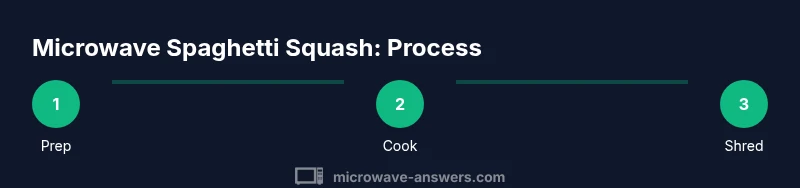
Learning to cook spaghetti squash in the microwave saves time and heat in the kitchen. You’ll learn two reliable methods (halved and whole), plus tips for shredding the strands and pairing with quick sauces. By the end, you’ll have a flexible, fast technique for ready-to-serve, low-carb meals.
Why microwave spaghetti squash works for quick meals
Spaghetti squash is a naturally forgiving vegetable that shines in the microwave because its flesh cooks quickly and yields tender, thread-like strands that resemble pasta. When you use the microwave, you reduce stovetop clutter and heat, making it ideal for busy weeknights or small kitchens. For home cooks and homeowners, this method provides consistent results with minimal equipment. According to Microwave Answers, microwaving is a practical first-step approach to healthy, versatile meals that can be dressed up with tomato sauce, cheese, or olive oil-based toppings. Throughout this guide, you’ll see how to adapt technique to your microwave’s wattage and your taste preferences while keeping safety a priority.
Choosing your method: halved vs. whole
There are two common approaches. The halved method delivers fast, even cooking and makes it easy to scoop flesh and shred strands. The whole-squash method can be convenient if you want to skip knife work, but it requires more careful timing and a reliable way to pierce the skin to vent steam. Start with the halved method if you’re new; switch to whole-squash cooking for larger squash or when you’re short on prep space. In either case, keeping the squash on a microwave-safe plate with a splash of water helps generate steam and prevents scorching.
Selecting and prepping your spaghetti squash
Pick a squash that feels heavy for its size with firm, unblemished skin. Rinse it under cool water to remove any dust, then dry completely. For the halved method, you’ll cut the squash lengthwise, scoop out the seeds, and pat the flesh dry to promote even cooking. For the whole-squash approach, you’ll poke multiple holes with a fork or knife to vent steam. Prepping initializes consistent texture and reduces the chance of uneven cooking. By planning ahead, you’ll ensure the microwave time is predictable and the final strands have a pleasing bite.
The halved-squash method: a reliable, fast option
Halving the squash exposes the flesh, which you can season lightly before microwaving. Place the halves cut side down on a microwave-safe plate with about a quarter cup of water. Cover with a microwave-safe lid or plastic wrap (vented) to trap steam. Microwave on high until the flesh is tender enough to shred with a fork. The exact time varies with wattage, but most standard microwaves finish within 8–12 minutes per half. Let the squash rest briefly before shredding to avoid burns and to let the steam finish the cooking.
The whole-squash method: when you want to skip cutting
If you prefer not to cut the squash, pierce the skin well, place on a plate with water, and microwave. Start with a slightly longer time, checking every few minutes for tenderness. The steam builds inside the rind and gently steams the flesh, though the texture can be slightly different from the halved method. This approach is convenient for batch cooking, but requires careful testing to avoid undercooking or overcooking.
Shredding and finishing: turning squash into “pasta” strands
Once the flesh is tender, use a fork to rake across the strands, letting the squash separate into spaghetti-like threads. Drain any excess moisture. Season with a little salt, pepper, and olive oil or butter. For a quick treatment, toss with a light tomato sauce, garlic, and fresh herbs. You can also mix in Parmesan, chili flakes, or a squeeze of lemon to brighten the flavor. The microwave technique makes portioning easy for meals or meal-prep.
Flavor ideas and quick pairings for microwave-prepped squash
Because the squash itself is mild, it pairs with bold sauces or simple seasonings. Try marinara or pesto, a splash of cream for a quick alfredo-style dish, or a squeeze of lime with cilantro and avocado for a bright, low-carb option. To boost protein, add cooked beans, shredded chicken, or a fried egg on top. For vegetarian versions, roast vegetables and fold them in for texture contrast. The possibilities are broad, making it an adaptable base for busy cooks.
Safety, storage, and reheating tips for microwave squash
Always handle hot squash with oven mitts and let it rest briefly after microwaving. Store leftovers in an airtight container in the fridge for up to 3–4 days. Reheat gently in the microwave, checking for even warmth. If you want crisper edges after reheating, a quick sauté in a skillet for 1–2 minutes can help restore texture. Safety-first guidelines include avoiding aluminum foil and ensuring the squash reaches a safe internal temperature when combined with toppings that contain meat or dairy.
Troubleshooting and variations: common issues and fixes
If strands come out mushy, try microwaving a bit longer but at lower power, or pierce the halves more to release steam evenly. If the squash seems dry, add a touch more water to the plate before microwaving next time. For extra flavor, toast garlic in a small amount of oil before tossing with the shredded squash. If your microwave wattage is unknown, start with shorter intervals and test tenderness, then adjust. These adjustments help tailor the method to your kitchen and preferences.
Final thoughts: making microwave spaghetti squash a regular, reliable staple
With a few simple steps, you can turn a humble squash into a meal-ready base at a moment’s notice. The microwave approach fits into everyday routines, offering a low-stress way to enjoy a versatile, fiber-rich vegetable. By practicing the method and adjusting timing to your appliance, you’ll gain confidence and speed without sacrificing texture or flavor.
Tools & Materials
- spaghetti squash(Choose a squash that feels heavy for its size with firm skin.)
- microwave-safe plate or shallow dish(Provide enough support for the squash halves or whole squash.)
- sharp knife (for halved method)(Use a stable cutting surface; cut away from body.)
- sink-safe cutting board(Keep a clean workspace to prevent cross-contamination.)
- spoon or scoop for seeds(Scoop seeds from halved squash before microwaving.)
- water (about 1/4 cup per half)(Helps generate steam and prevents scorching.)
- oven mitts(Handle hot plates and squash safely.)
- fork for shredding(Shred strands into pasta-like ribbons.)
- tongs or spatula(Eases transfer of halves to plate.)
- optional toppings (sauce, cheese, herbs)(Customize flavor and nutrition.)
Steps
Estimated time: 25-40 minutes
- 1
Rinse and prep
Rinse the squash under cool water and dry with a clean towel. This removes any surface dirt and ensures the skin stays intact for halved cooking. If you’re using the whole-squash method, ensure the skin is dry before microwaving to promote even heating.
Tip: A clean surface prevents sogginess and improves texture in the final strands. - 2
Cut and seed (halved method)
Place the squash on the cutting board and carefully cut it lengthwise. Scoop out the seeds and stringy pulp with a spoon. Pat the flesh dry to improve browning and heat distribution during cooking.
Tip: Reserve seeds for roasting if you like a crunchy snack later. - 3
Arrange halves for microwaving
Lay the halves cut-side down on a microwave-safe plate. Add about 1/4 cup of water around the plate to generate steam. If using the whole squash, plan on longer cooking and venting steam with multiple piercings.
Tip: Keep the plate flat to prevent uneven cooking. - 4
Microwave on high
Cook on high power for 8–12 minutes per half (or longer for a whole squash). The goal is fork-tender flesh. Times vary with wattage, so check doneness by piercing with a fork.
Tip: If you’re unsure, start with shorter intervals and test for tenderness to avoid overcooking. - 5
Rest and shred
Let the squash rest for 2–3 minutes after microwaving. Use a fork to rake across the flesh, which will separate strands. Drain any excess moisture and keep strands warm until serving.
Tip: Resting lets steam finish cooking and improves texture. - 6
Season and serve
Toss the strands with a light coating of olive oil or butter, salt, and pepper. Add your choice of sauce or toppings. Finish with fresh herbs or cheese if desired.
Tip: A little acid (lemon juice or vinegar) brightens creamy sauces and fresh herbs lift the overall flavor. - 7
Optional skillet finish
If you want a more caramelized edge, quickly sauté the shredded squash in a dry skillet for 1–2 minutes after microwaving. This adds texture without adding much time.
Tip: Watch closely to avoid drying out the squash. - 8
Store leftovers
Cool promptly and store in an airtight container in the fridge. Reheat gently in the microwave in short bursts, testing for warmth to avoid overcooking.
Tip: Reheat with a splash of water or sauce to restore moisture.
Common Questions
Can I microwave spaghetti squash without cutting it open?
Yes, you can microwave a whole spaghetti squash, but timings are longer and require multiple venting holes. The texture may differ slightly from the halved method, so check tenderness with a fork and adjust as needed.
Yes, you can microwave whole squash, but it takes longer and you should check for tenderness with a fork before serving.
How long does it take to cook spaghetti squash in the microwave?
Cooking time depends on method and wattage. Halved squash typically takes about 8–12 minutes per half; whole squash requires a longer, carefully monitored interval. Always test tenderness with a fork.
Halved squash usually finishes in about 8 to 12 minutes per half; whole squash takes longer and should be tested with a fork.
How can I prevent the strands from being mushy?
Avoid overcooking and ensure you rest the squash briefly after microwaving. Shred promptly and avoid adding excessive liquids that can make the strands soggy.
Prevent mush by not overcooking, letting it rest, and shredding while still hot but safe to handle.
Is microwave spaghetti squash safe to eat with the skin on?
The edible part is the flesh; the skin is typically discarded. Cooking with the skin on isn’t common for texture reasons, so most people cut it away for halved cooking or pierce the skin for whole-squash cooking.
Usually you don’t eat the skin; the flesh is the edible part, so you’ll typically remove or ignore the skin.
How should I store and reheat leftovers?
Store leftovers in an airtight container in the fridge for up to a few days. Reheat gently in the microwave, adding a splash of sauce or water if needed to restore moisture.
Refrigerate in an airtight container, then reheat gently with a little sauce or water to keep moisture.
Watch Video
Main Points
- Master two primary microwave methods: halved and whole-squash.
- Shredded texture comes from proper resting and shredding with a fork.
- Pair with sauces and toppings to create varied meals quickly.
- Safety steps protect you from burns and ensure even cooking.
- Storage and reheating keep microwave meals convenient for busy schedules.