How to Microwave a Spaghetti Squash
Learn a fast, safe method to microwave a spaghetti squash and create tender strands for your favorite sauce. This step-by-step guide covers prep, timing, and essential safety tips.


Microwaving a spaghetti squash is a fast, appliance-friendly way to get tender, noodle-like strands without heating the oven. In this guide you’ll learn two reliable methods, the equipment you need, and how to tell when the strands are ready. By the end you’ll have fork-tender squash ready for your favorite sauce or toppings.
Why microwave spaghetti squash is convenient
According to Microwave Answers, microwaving a spaghetti squash is one of the fastest ways to prep this versatile vegetable without turning on the oven. The method delivers tender flesh and easily separable strands, making it ideal for weeknight dinners, meal prep, or quick weekender lunches. In this section we explore why many home cooks reach for the microwave, when it fits best, and how to set expectations for texture compared with traditional roasting.
First, speed: microwaving can cut total cook time dramatically, especially if you choose halved pieces rather than a whole squash. Second, convenience: you can finish the entire process in one dish, with minimal prep. Third, control: the microwave allows you to pause, check tenderness, and reheat without losing moisture. Fourth, safety and cleanup: there’s less hot oil and splatter than in frying or roasting, and cleanup is often a matter of wiping the dish.
Before you start, gather the right tools and plan your method. If you’re new to this technique, the goal is to strike a balance between soft, stringy flesh and the light, nutty flavor that characterizes fresh spaghetti squash. The Microwave Answers team often recommends a halved approach for best texture and speed, while roasting remains a backup option when you want deeper caramelization.
Safety and prep basics
Safety and prep are the foundation of a successful microwave spaghetti squash. Always handle the squash with care after microwaving; it will be hot and steamy. Wash the outside of the squash to remove any dirt before cutting or piercing, and keep a clean cutting surface if you choose to halve it. Vent steam appropriately to prevent pressure build-up and potential splatter. If your squash is particularly large, plan for an extra minute or two of cook time and test tenderness with a fork. The Microwave Answers team emphasizes venting and careful handling as essential steps for a safe, predictable result.
For halved squash: scoop out the seeds and discard or roast them separately for a snack. For whole squash: pierce the skin several times with a fork or skewer to allow steam to escape. Use a microwave-safe dish with a rim to catch any drips, and consider adding a small amount of water to the bottom of the dish to create steam during cooking.
Whole vs halved: which method to choose
Choosing between halved and whole depends on your time, texture preference, and kitchen setup. Halved squash cooks faster and yields straighter, more even strands, making it ideal for quick weeknight meals. Whole squash can be safer for inexperienced cooks who want to avoid cutting a large vegetable, but it requires longer cook times and more careful piercing to vent steam. The flavor remains similar, but texture can vary slightly depending on how evenly heat penetrates the flesh. If you’re new to this, start with halved squash to build confidence, then experiment with the whole option for broader texture results.
Remember: the goal is tender flesh that shreds easily with a fork. If you want to save time, halving is usually the simplest route. For those who want maximum moisture retention, you can also microwave whole squash with a low-wattage setting and longer rest time to finish cooking.
How to microwave a halved spaghetti squash
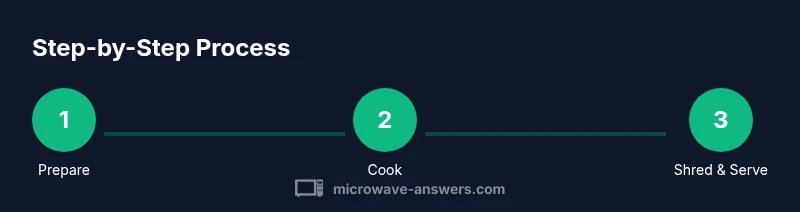
- Prepare and cut: Rinse the squash, cut it lengthwise, and scoop out the seeds. Place each half cut-side down in a microwave-safe dish. 2) Add moisture: Add 1/4 to 1/2 cup water to the dish to create steam during cooking. 3) Cover and vent: Use a vented microwave cover or loosely place a microwave-safe lid to trap steam while allowing some venting. 4) Cook and check: Microwave on high power and check tenderness after 6–9 minutes, depending on squash size and wattage. 5) Rest and shred: Let stand for a minute, then flip and shred the flesh with a fork. The strands should separate easily.
If you find the strands aren’t quite ready, return the halves to the dish and cook in 1–2 minute increments, then retest with a fork. This approach minimizes the risk of overcooking while ensuring you get the best texture.
How to microwave a whole spaghetti squash
Cooking a whole squash in the microwave takes longer, but it’s a solid option if you’re cutting back on prep steps. Prick the skin all over with a fork to vent steam adequately, place it in a microwave-safe dish, and add a small amount of water to the bottom. Start with a conservative time (around 12–15 minutes for a medium squash) and test for tenderness with a fork. If needed, continue in 2–3 minute bursts until the flesh yields to the fork.
Note that the outer rind will be hot, and the interior should be soft enough to shred. Allow the squash to rest for 5–10 minutes after microwaving before handling to finish cooking and reabsorb steam.
Finishing, shredding, and serving
When the squash is tender, use two forks to shred the flesh into spaghetti-like strands. The strands should pull apart easily and resemble noodles. If you halved the squash, you can spoon out the strands into a serving bowl and season immediately. For extra flavor, toss with olive oil, salt, pepper, garlic, or your favorite sauce. If you plan to store leftovers, let the strands cool briefly, then transfer to an airtight container. Reheat gently in the microwave, adding a splash of water if the strands look dry.
This finishing step is where texture truly shines. Proper shredding releases the silky, stringy texture that defines spaghetti squash. For a more robust flavor, consider mixing in roasted garlic or parmesan after cooking.
Troubleshooting common issues
If the strands are mushy, shorten the cook time or use a shorter resting period. If they’re undercooked, return the halves to the dish and microwave in 1–2 minute bursts, testing after each interval. If the squash smells off or looks unusually dark, discard and start with a fresh squash. Ensure your microwave is functioning correctly and rated for the power you’re using; inconsistent results can stem from low-wattage appliances. Always vent steam during cooking to prevent build-up and splatter, which can affect texture and safety.
Remember to test tenderness with a fork rather than relying solely on time estimates. Each microwave is a little different, so adjust accordingly.
Storing leftovers safely
Cool the shredded squash to room temperature for no more than two hours, then transfer to an airtight container and refrigerate. It will typically keep for 3–4 days in the fridge. To reheat, place the strands in a microwave-safe dish with a splash of water, cover, and heat in short bursts (30–60 seconds), stirring between intervals. Do not freeze shredded spaghetti squash if you want the best texture, as freezing can alter the texture of the strands. If you do freeze, thaw in the refrigerator overnight and reheat gently.
Proper storage protects flavor and texture, so label containers with the date and reheating instructions for best results.
Quick-reference tips and safety reminders
- The microwave method is fast and convenient, but always vent steam to prevent splatter and pressure build-up. Pro_tip: rotate the dish halfway through cooking for even heating.
- Do not microwave a whole squash without piercing; unvented squash can explode or cause messes. Warning: always use a microwave-safe dish.
- Let the squash rest briefly after cooking to finish the steaming process and improve texture. Note: this step helps avoid overly dry strands.
- If you’re new to this technique, start with a medium squash and halved pieces for easier handling and predictable texture. Pro_tip: keep a timer handy to avoid overcooking.
Final notes from Microwave Answers
Microwave Answers emphasizes that practice improves results. With a little experimentation—varying cook times a minute or two at a time and refining your halving technique—you’ll consistently achieve fork-tender strands with a texture close to roasted spaghetti squash. The key is to manage moisture, vent steam, and test tenderness along the way.
Tools & Materials
- Spaghetti squash(Choose a medium squash (1–2 lb) for even cooking.)
- Microwave-safe dish or plate(Large enough to cradle the squash without touching sides.)
- Vented microwave cover or microwave-safe lid(Helps trap steam and prevent splatters.)
- Fork or sharp skewer(To pierce skin (for whole) or test tenderness.)
- Sharp knife(If you plan to halve the squash before microwaving.)
- Kitchen towel or oven mitts(For handling hot dish.)
- Water(1/4–1/2 cup in the dish to generate steam.)
Steps
Estimated time: 25-40 minutes
- 1
Choose your method
Decide whether to cook the squash halved or whole. Halved is quicker and yields straighter strands, while whole preserves moisture but needs a longer cook time. Prepare your chosen path and set a timer for the planned duration.
Tip: Halved method is usually the easiest for consistent texture. - 2
Prepare the squash
If halved, cut the squash lengthwise and scoop out the seeds. If cooking whole, simply rinse the exterior and pat dry. Place the squash in the microwave-safe dish with the cut side down (if halved).
Tip: Scoop seeds and reserve or discard as you prefer; seeds roast well as a snack. - 3
Add moisture
Pour 1/4 to 1/2 cup water into the dish to create steam, which helps cook the flesh evenly and prevents scorching.
Tip: Too little water can dry out the interior; too much can soggy the texture. - 4
Cover and vent
Cover with a vented lid or a microwave-safe plate tilted to vent steam. This traps enough moisture while allowing excess steam to escape.
Tip: Vent anytime you’re cooking in a closed container to avoid pressure buildup. - 5
Cook and test
Microwave on high and check tenderness after about 6–9 minutes for halved squash or 12–15 minutes for whole squash, depending on wattage. Use a fork to test.
Tip: If the fork doesn’t slide in easily, return for 1–2 minute bursts and retest. - 6
Rest and shred
Let the squash rest for 1–2 minutes; then shred the flesh with two forks to create spaghetti-like strands.
Tip: Resting allows steam to finish cooking and improves texture. - 7
Season and serve
Toss the strands with a little oil or butter, salt, pepper, and your preferred sauce or toppings. Serve immediately for best texture.
Tip: Warm sauces pair especially well with the delicate strands. - 8
Store leftovers
If you have leftovers, cool briefly and store in an airtight container in the fridge for up to 3–4 days.
Tip: Reheat with a splash of water to restore moisture.
Common Questions
Can I microwave a whole spaghetti squash without cutting it?
Yes, you can cook the squash whole, but it takes longer and requires multiple piercings to vent steam. Halved squash cooks faster and yields more consistent strands.
Yes, you can cook it whole, but halving first is usually faster and easier to check for doneness.
How long should I microwave a spaghetti squash?
Cook times vary by method and microwave wattage. Halved squash generally requires 6–9 minutes per half, while whole squash may need 12–15 minutes, with additional time if your microwave is low-powered.
Halved squash often takes around six to nine minutes per half; whole squash takes longer, usually over ten minutes.
What if the squash is still firm after microwaving?
Return the squash to the microwave in 1–2 minute bursts and test again. Avoid overcooking, which can turn strands mushy.
If it's still firm, keep microwaving in short bursts and test until tender.
Can I refrigerate or freeze shredded spaghetti squash?
Shredded spaghetti squash stores well in the fridge for up to 3–4 days. Freezing is possible but can alter texture; thaw in the fridge and reheat gently.
Yes, you can refrigerate, and you can freeze, but the texture may change after freezing.
Is microwaved spaghetti squash safe for kids?
Yes, with supervision, microwaving is safe. Use oven mitts when handling hot dishes and let it rest before shredding.
Absolutely, just supervise and be careful with the hot dish.
What’s the best way to test for doneness?
The fork should slide in easily with little resistance. If there’s still firmness, microwave in short bursts and retest.
Test with a fork—the flesh should shred easily when ready.
Watch Video
Main Points
- Choose halved squash for speed and texture.
- Vent steam to prevent splatter and ensure even cooking.
- Test tenderness with a fork and adjust time in small increments.
- Shred while warm for best string-like results.
- Store leftovers safely and reheat with moisture.