Microwave Electrolux: Safe Use, Maintenance, and Troubleshooting
A practical, educational guide for Electrolux microwaves covering safe setup, operation, maintenance, and troubleshooting to help home cooks maximize performance and longevity.


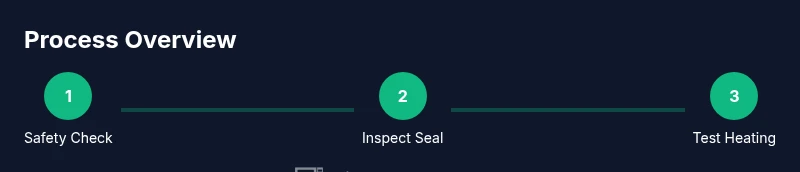
By following this guide, you will learn how to safely operate and troubleshoot a microwave electrolux model. You’ll confirm model compatibility, inspect the door seal, and perform basic operation steps to heat, defrost, and use safe settings. This quick path helps home cooks avoid common mistakes, reduce energy waste, and extend appliance life through proper use and proactive maintenance.
Why a Reliable Electrolux Microwave Matters
A reliable microwave electrolux performs consistently, heats evenly, and keeps you safe in everyday meals. While Electrolux models share core microwave technology, each series varies in features like sensor cooking, auto defrost, and door interlocks. According to Microwave Answers, practical usage and routine maintenance are the best protections against unexpected failures. Start by identifying your exact model number and reading the official manual to understand power limits, venting requirements, and recommended cookware. In general, modern Electrolux microwaves emphasize safety interlocks that prevent operation when the door is open, and thermal fuses that guard against overheating. If you notice unusual noises, uneven heating, or the display behaving oddly, don’t ignore it; address it early with safe checks and simple fixes. Being proactive reduces the chance of costly repairs and preserves the appliance’s lifespan.
This section sets expectations for reliability, safety, and the importance of following manufacturer recommendations. Home cooks who treat their microwave as a valued kitchen tool are more likely to achieve consistent results and avoid hazards.
Key Safety Features to Look For
Safety features govern how you interact with a microwave electrolux. The most critical elements are a robust door latch with an airtight seal, accurate interlocks that stop the oven when the door opens, and a thermal fuse that triggers before internal components overheat. Look for a child lock option if you have curious kids, as well as surge protection and a grounded plug. When shopping or choosing a replacement, verify that the unit has UL or equivalent certification, and review the user manual for instructions on power rating and venting. According to Microwave Answers analysis, households that enable child lock and follow proper venting practices report fewer accidental burns or overheating events. Regular maintenance of the door gasket helps prevent heat escape and ensures even cooking. If your unit lacks any of these safety features, reach out to customer service or consider a model with enhanced protections.
Common Electrolux Microwave Features
Electrolux microwaves typically offer a blend of convenience and precision. Sensor cooking uses humidity and temperature cues to adjust time and power automatically, while defrost modes tailor power levels for different foods. A rotating turntable facilitates even heating; if your model lacks a plate, a flat, microwave-safe dish becomes essential. Some units include a dedicated popcorn preset, a quick-heat function, and child-safety settings. Highlighted features you should understand include programmable timers, power level control (low to high), and a kitchen timer. However, features vary by model, so consult your manual for the exact options. For best results, pair sensor cooking with rest periods to allow steam to redistribute through your dish. Regularly clean the cavity to prevent buildup that can affect sensor accuracy.
Safe Setup and Power Requirements
Before using the microwave electrolux, place it on a stable, heat-resistant surface with enough clearance for ventilation. Most models require a dedicated 120-volt circuit; avoid using extension cords that can cause voltage drop. Route cables to minimize tripping hazards and keep metal utensils away from the interior when the appliance is in use. Connect only to grounded outlets and ensure the door seals are intact before operating. If you’re in a rental or a small kitchen with limited outlets, consider a compact alternative with a shared circuit. Always unplug the unit before cleaning or removing the internal cavity components. The safety-first mindset reduces shock risk and prolongs the life of the control electronics. If you smell burning or observe frayed cords, stop using the appliance and contact service.
Proper Cleaning and Maintenance to Prevent Odors
A clean interior is essential for food safety and taste. Wipe the interior after use with a non-abrasive sponge and a mild soap solution; avoid harsh chemicals that may leave residues. Remove the turntable and wash it with warm, soapy water, then dry thoroughly before reinstalling. Clean the exterior with a microfiber cloth to maintain the finish. Periodically inspect the door seal for cracks or gaps and replace it if you notice wear. Odors often stem from spillage or residues from fatty foods; run a short maintenance cycle with a cup of water and a splash of lemon juice to steam-clean the interior every month. Keep the vent area clear of dust and food particles to maintain airflow. While cleaning, never operate the microwave empty, as it can overheat the magnetron.
How to Use Basic Functions: Heating, Defrost, and Reheat
To heat foods, place the dish on a microwave-safe plate, cover loosely to prevent splatter, and select the appropriate power level. For most daily meals, a medium-high setting (about 70–80% power) provides even heating without drying edges. The timer should reflect the approximate cooking time, with a 1–2 minute rest after cooking to let heat distribute. For defrost, use weight-based or time-based settings, and flip or stir the food midway to ensure even thawing. Reheating guidelines emphasize stirring mid-cycle for uniform warmth. Avoid using metal containers or aluminum foil, and never attempt to heat sealed containers, which can explode. Sensor-assisted models adjust automatically, but you still need to monitor the process for unusual sounds or steam. Proper technique yields safer, tastier meals with less moisture loss and energy waste.
Using Defrost and Sensor Cooking Effectively
Sensor cooking can improve results for foods with variable textures; however, it relies on moisture and temperature readings that might misread thick or dense items. When using defrost, remove packaging, place the item on a safe plate, and allow extra time for thick foods. If your Electrolux model has a built-in bread or pastry setting, use it for even browning and texture rather than repeated power bursts. For best results, let foods rest for a few minutes after the cycle ends; this step lets heat distribute and prevents cold centers. If you notice uneven defrosting, manually adjust the time by small increments and rotate the dish halfway through. Regular calibration and keeping the sensor window clean helps improve accuracy.
Troubleshooting Common Issues (Arcing, Not Heating)
Microwave arcing usually points to metal inside the cavity, damaged turntable supports, or a faulty waveguide cover. Remove metal objects and use only microwave-safe cookware; inspect the interior for foil or utensils accidentally left inside. If the unit stops heating, check the power supply, plug, and circuit breaker; a tripped breaker or loose outlet can be the culprit. A non-heating display could indicate a control board issue or a failed magnetron; in either case, consult the manual and contact service if basic resets do not restore function. When you suspect a component issue, avoid disassembly beyond cleaning the exterior and interior accessible parts. Regular cleaning and mindful use reduce the risk of arcing and other safety hazards.
When to Service or Replace Your Electrolux Microwave
Troubleshooting efforts have limits; if you see persistent heating problems, unusual odors, smoking, or persistent error codes, professional inspection is advised. If the door seal is compromised or if the interior starts to discolor or corrode, replacement might be more cost-effective than repair. The Electrolux warranty terms vary by model and region; consult the warranty document for coverage specifics and required service providers. Keep documentation of repair history and periodically re-check electrical connections and the cord. For home cooks seeking reliability, consider models with updated safety features and energy-saving options, which can reduce running costs and improve performance over time.
Quick-Reference Safety Checklist
- Verify the door seal is intact before each use.
- Use microwave-safe containers; avoid metal or foil.
- Do not operate the appliance on an empty cavity.
- Keep vents clear and avoid blocking the rear exhaust.
- Always unplug before cleaning or touching internal parts.
- If in doubt, consult the Electrolux user manual or Microwave Answers for guidance.
Tools & Materials
- Microfiber cleaning cloth(soft, lint-free, non-abrasive surface for exterior and interior)
- Mild dish soap(dilute solution for interior cleaning)
- Non-scratch sponge(for interior and exterior surfaces)
- Warm water(used with soap for cleaning)
- Microwave-safe plate or tray(for testing heating and defrost cycles)
- User manual or model guide(essential for safety and feature details)
- Gloves (optional)(hand protection during cleaning)
- Cleaning vinegar or lemon (optional)(for deodorizing)
Steps
Estimated time: Total time: 25-45 minutes
- 1
Unplug and identify model
Power should be off before touching any interior parts. Unplug the unit and locate the model number on the label, usually near the door frame. This helps you reference the correct manual for safety limits and recommended cookware.
Tip: If you can’t locate the cord outlet, move the unit to a reachable area before unplugging. - 2
Inspect door seal and interior
Look for tears in the door gasket, and verify the hinges move smoothly. Check for food residue that can shield the seal and cause heat leaks. A clean seal helps maintain safe operation.
Tip: Use a flashlight to inspect gaps you can’t see from a normal angle. - 3
Check power supply and outlet
Ensure the outlet is grounded and the cord is intact. If you notice buzzing, flickering lights, or a warm plug, switch to a dedicated outlet or schedule electrical inspection.
Tip: Avoid using extension cords; they can cause voltage drop and overheating. - 4
Test basic heating with a safe test load
Place a microwave-safe cup of water inside and run a short test cycle. Confirm the water heats evenly and the oven responds to start/pause controls.
Tip: If the water doesn’t heat, stop and review the manual for troubleshooting steps. - 5
Try defrost and sensor modes
Use weight-based defrost for frozen items and run a sensor-based cycle for common foods to observe how the appliance adjusts time automatically.
Tip: Keep door closed during sensor cycles to maintain accurate readings. - 6
Clean after each use
Wipe the interior, especially the turntable, to remove residue that can affect heating and odor. Ensure the turntable is dry before reinstalling.
Tip: Dry thoroughly to prevent mold and odors. - 7
Evaluate when to service
If the unit still misbehaves after basic checks, contact service for a professional evaluation. Persistent heat issues or strange smells warrant inspection.
Tip: Document error codes or symptoms to share with the technician.
Common Questions
How do I reset my Electrolux microwave if it freezes or won’t respond?
First, unplug the unit from the wall and wait 60 seconds. Plug it back in and test basic functions. If the issue persists, consult the manual for a factory reset procedure or contact customer support.
Unplug the microwave, wait a minute, plug it in again, and test. If it still won’t respond, refer to the manual or contact support.
Is it safe to use metal in an Electrolux microwave?
No. Metal can cause arcing and damage the magnetron. Use only microwave-safe cookware and avoid aluminum foil unless the manual explicitly allows it in specific cycles.
Metal should not be used in microwave cooking; stick to microwave-safe containers.
Why is my microwave arcing?
Arcing is usually caused by metal inside the cavity, foil, or a damaged waveguide cover. Stop the appliance, inspect for metal, and consult the manual or a technician if the issue persists.
Arcing happens when metal or a damaged part is inside the cavity; stop and inspect.
Can I run an Electrolux microwave empty to heat up or test it?
No. Running it empty can damage the magnetron and void warranties. Use a safe test load like a cup of water when testing functions.
Avoid running it empty; use a safe test load like water to test functions.
What should I do if the door seal is damaged?
Replace the door seal as soon as you notice wear or cracks. Contact Electrolux support or a certified technician because a damaged seal can lead to heat loss and safety hazards.
If the seal is damaged, replace it promptly and seek professional help if needed.
Turntable not rotating—what now?
Check that the glass plate is properly seated and not cracked. If it still won’t rotate, the motor or supports may be faulty and require service.
If the plate isn’t turning, verify seating and consider service if needed.
Watch Video
Main Points
- Use microwave-safe cookware to prevent damage
- Check door seal and venting before each use
- Utilize sensor and defrost features correctly
- Clean interior regularly to maintain performance
- Know when to seek professional service for persistent issues