LG Microwave How-To: Safety, Use, and Quick Fixes
Practical step-by-step guidance to operate, troubleshoot, and maintain an lg microwave safely. Learn setup, safety checks, features, and when to seek service with Microwave Answers.


Learn how to safely use and troubleshoot an lg microwave, from basic operation to common fault diagnosis and maintenance. This quick guide covers setup, safety checks, power-level tips, and when to seek service. Ensure you have the owner's manual, a microwave-safe thermometer, and a clean, dry workspace before you start.
LG Microwave Basics and Safety Essentials
LG microwaves blend compact size with advanced features that make everyday cooking faster and safer. If you own an lg microwave, you’ll notice built-in sensors, inverter technology, and a sleek, compact footprint that fits most kitchen layouts. According to Microwave Answers, the first step in any microwave project is knowing what each control does and how the appliance interacts with your cookware. This section explains how a typical LG microwave works, what the most common features are, and how to decide which model fits your cooking habits. We’ll cover wattage ranges, turntable vs. flatbed designs, and how smart controls guide you through reheating leftovers, defrosting proteins, and melting. The goal is to build a solid foundation so you can safely operate your lg microwave and diagnose basic problems without fear. Before you power up, ensure the plug and outlet are accessible, the area around the unit is clear, and you’re using microwave-safe containers to minimize heat-related hazards. Safety first helps you avoid burns and messes.
Key Features Found in LG Microwaves
LG microwaves offer a range of features designed to simplify cooking and improve results. Look for inverter technology that delivers consistent power, sensor-cook programs that adjust time and power based on food type, and a turning dish or flatbed design that suits your space. Many models include child safety locks, defrost presets, and pre-programmed menus for popular dishes. When comparing lg microwave models, consider compatibility with common cookware, ease of cleaning, and energy efficiency. For home cooks, practical features like quick-start, add-30-second, and energy-saving modes save time and reduce waste. The lg microwave line often emphasizes compact footprints without sacrificing interior capacity, making it a strong choice for apartments and busy kitchens. With attention to your everyday meals, these features translate to fewer kitchen mishaps and more consistent results across batches.
Setup and Safety: First Use
Getting started with your lg microwave involves a few safety-first steps. Place the unit on a stable, level surface with at least a few inches of clearance on all sides and above. Use a dedicated 15-amp circuit if possible and avoid extension cords. Remove any packaging and verify the door seals are intact and clean. When you power up for the first time, run a quick test with a cup of water to verify heating and avoid dry-running the magnetron. This initial check helps ensure your lg microwave operates as expected and reduces the risk of unnoticed issues. Always use microwave-safe cookware and avoid metal utensils or aluminum foil unless the model explicitly supports it.
Common Issues and How to Diagnose Them
Many lg microwave problems fall into predictable patterns. If it won’t heat, verify you haven’t left it in a defrost or sensor mode and confirm the timer is set correctly. Sparking or burning smells indicate a foreign object or cookware issue—stop using the unit and inspect the interior. If the door fails to latch, inspect the gasket for debris or damage and ensure the latch engages fully. A humming noise can signify a magnetron issue or a loose component; if you hear unusual sounds, power down and consult the manual or a technician. For intermittent heating, check the power level and ensure the food isn’t sealed in a way that traps steam and alters heating. Document any error codes and consult the user guide for code interpretations specific to your lg microwave.
Maintenance and Cleaning to Prolong Life
Regular maintenance keeps your lg microwave performing reliably. Wipe the interior with a damp microfiber cloth after cooling to remove spills, and remove the turntable and roller ring for a thorough clean (dry completely before reassembling). Inspect the door gaskets for cracks and clean with a soft brush to remove crumbs that can impede sealing. Do not use harsh chemicals inside the cavity; most cleaners can leave residues that affect flavor and safety. Periodically check vents for obstruction and ensure the exterior surfaces stay dry to prevent corrosion. A clean unit heats more evenly and lasts longer, preserving safety and energy efficiency.
Using Special Features: Sensor Cooking, Inverter, Microwave Convection
LG microwaves commonly feature sensor cooking that adjusts time and power based on steam emission, helping to prevent overcooking. Inverter technology maintains consistent power for steady heating, which is particularly beneficial for delicate sauces or casseroles. Some models include convection capability, turning your microwave into a mini oven for browning and crisping. When using these features, start with recommended settings for your food type, and adapt by observing the results. Keep in mind that cookware should be microwave-safe for sensor programs, and convection modes usually require oven-safe dishes. If you’re unsure whether a recipe is suitable for your lg microwave, opt for a conservative setting and increase as you gain confidence.
Troubleshooting: When to Repair vs Replace
Deciding whether to repair or replace an lg microwave depends on the fault’s severity, age, and cost of repair. If a component such as a turntable motor or door latch fails, replacement parts are typically affordable and feasible for a technician or a DIY-savvy owner. For major failures like a faulty magnetron or control board, evaluate the repair cost against the price of a new unit, especially if energy efficiency or feature upgrades would provide lasting value. In many cases, a simple reset, cleaning, or reseating a loose connection can restore function at little cost. Always consult your manual for warranty coverage and recommended service procedures before starting any repair.
LG Microwave Care: Placement, Ventilation, and Power
Placement matters for performance and safety. Avoid placing lg microwave near heat sources or in enclosed cabinets without ventilation. Ensure adequate clearance around the vents to prevent overheating. Use a level surface and a sturdy shelf capable of supporting the weight. Power supply quality matters too; use a grounded outlet and avoid running multiple high-draw appliances on the same circuit. If you notice flickering lights or frequent tripping, have an electrician inspect your wiring. Routine maintenance, proper placement, and clean vents extend the life of your lg microwave and reduce the risk of electrical or fire hazards.
How to Choose Accessories and Replacement Parts for LG Microwaves
Accessorizing your lg microwave can improve versatility, but only use parts that are compatible with your model. Replacement turntable rings, racks, and door seals should match your model number; check the user manual or the manufacturer’s site for compatibility. When ordering parts, verify the exact model and serial number to avoid fit issues. Use only microwave-safe racks and accessories designed for your lg microwave; generic items can affect performance or cause safety concerns. If you’re uncertain, contact customer support or a qualified technician for guidance. Regularly inspecting and replacing worn components helps maintain reliability and cooking results.
Ready-to-Use Quick Tips for lg microwave
- Keep the interior clean and dry after each use to avoid odors and residue buildup.
- Use only microwave-safe containers to prevent chemical leaching or warping.
- Never operate the microwave empty for more than a few seconds to avoid damage.
- Regularly inspect the door seal for cracks or debris that could affect sealing.
- For sensor cooking, place food to the center and avoid stacking bowls that block sensors.
Final Thoughts on lg microwave Maintenance and Care
A well-maintained lg microwave provides years of safe, reliable cooking. Start with proper setup and always follow the manufacturer’s safety guidelines. Regular cleaning, cautious handling of cookware, and timely servicing of any fault help ensure consistent heating and long life. With mindful usage, your lg microwave can be a dependable workhorse in a busy kitchen, delivering warm meals quickly while maintaining energy efficiency.
Tools & Materials
- Owner's manual (model-specific)(Refer to model features, codes, and safety instructions)
- Microwave-safe glass or ceramic container(Do not use metal or foil unless explicitly approved)
- Microfiber cloth(For interior wipe-downs and exterior cleaning)
- Non-abrasive cleaner or vinegar solution(Used sparingly on exterior surfaces; avoid interior sprays)
- Microwave-safe thermometer (optional)(Helpful for testing heating accuracy during measurements)
Steps
Estimated time: 30-45 minutes
- 1
Verify power and outlet
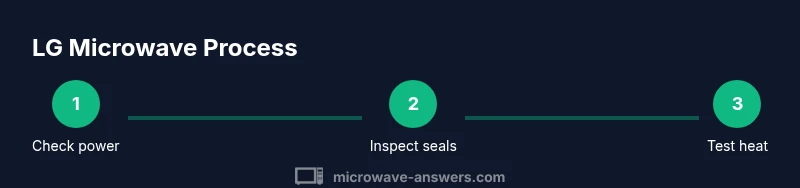
Check that the lg microwave is plugged into a dedicated 15-amp circuit and that the outlet functions by testing with a small appliance. Ensure the unit is on a level surface with clear space around it to prevent heat buildup.
Tip: If the outlet is controlled by a wall switch, confirm it is ON before testing. - 2
Inspect door seal and latch
Examine the door gasket for cracks, tears, or debris. Ensure the latch engages smoothly and the door closes firmly without resistance. Clean any residue with a damp cloth before testing.
Tip: A damaged seal may cause heat loss or sparking; replace if present. - 3
Check turntable and roller ring
Remove the turntable and roller ring, inspect for cracks, and clean the track. Reposition the ring so the turntable sits flat and rotates freely without wobble.
Tip: If the turntable doesn’t rotate, re-seat it and test again before noting a fault. - 4
Run a test heat with water
Place 250–300 ml of water in a microwave-safe mug and heat on high for 60 seconds. Listen for steady humming and observe the water temperature change to confirm heating function.
Tip: If the water doesn’t heat or boils over, power down and inspect for sensor or power issues. - 5
Reset and clear error codes
If you see an error code or the display is inconsistent, unplug the unit for one minute, then plug it back in and observe. If codes recur, consult the user guide or service center.
Tip: Document codes and their timing to help technicians diagnose the issue. - 6
Check for unusual noises or odors
Power down immediately if you hear buzzing, sizzling, or detect burning smells. Inspect the interior and vents for foreign objects and ensure there are no signs of damage.
Tip: Never operate the unit when you suspect a dangerous fault; seek professional service. - 7
Perform routine maintenance
Wipe the interior and exterior after use, dry thoroughly, and reassemble the turntable and ring. Schedule periodic inspections of seals and vents.
Tip: Regular cleaning minimizes odors and improves heating consistency.
Common Questions
Can I put metal containers in my LG microwave?
No, metal can cause arcing and damage the magnetron. Use microwave-safe glass, ceramic, or BPA-free plastic.
Avoid metal in your LG microwave; use only microwave-safe containers to prevent arcing and damage.
Why is my LG microwave not heating even though it runs?
Check that you’re not in defrost or sensor mode, verify the power level, and perform a short test with water. If it still won’t heat, device may need service.
If it runs but won’t heat, check settings and perform a test with water. If it still doesn’t heat, arrange service.
The door won’t close properly. What should I do?
Inspect the door seal for debris or damage and ensure nothing blocks the latch. If the issue persists, contact service.
If the door won’t close, check the seal, clean any debris, and see if it latches correctly; if not, seek service.
Is it safe to unplug during a power outage?
Yes. Unplug the unit to reset; replug after power is stable. Ensure hands are dry and avoid handling with wet
Yes, unplug and reset when power is stable, and dry your hands before touching any appliance.
How often should I clean the LG microwave interior?
Wipe spills as soon as possible after use and perform a deeper clean weekly to prevent odors and residue buildup.
Clean after every use to prevent odors, and do a deeper wipe-down weekly.
Do LG microwaves have inverter technology benefits?
Yes; inverter provides steady power for more even heating and reduces overcooking of delicate foods.
Inverter helps maintain steady heat, which reduces overcooking for many foods.
Watch Video
Main Points
- Understand lg microwave basics and safety before use.
- Regular cleaning and inspection prevent most failures.
- Sensor cooking and inverter features improve results when used correctly.
- Know when to repair vs replace based on age and fault cost.