How to Microwave Broccoli: Quick Guide for Perfect Florets
Master the microwave method to cook broccoli quickly, preserving color, texture, and nutrients. Learn prep, timing, seasonings, and troubleshooting for consistently perfect florets.


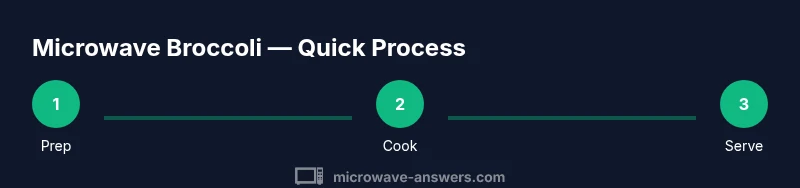
You can microwave broccoli quickly and safely in 5-7 minutes using a vented cover and a little water. Start with 3-4 minutes on high, then check tenderness and continue in 1-minute increments as needed. Let it rest briefly, then season and serve for vibrant, tender florets with minimal effort. This method works well across common microwave wattages.
Why Microwave Broccoli is a Smart Option
For home cooks pressed for time, microwaving broccoli is a reliable method to get bright green florets quickly. When done properly, it produces tender-crisp results with minimal cleanup. According to Microwave Answers, using a vented cover and a small amount of water helps preserve color and texture while reducing the risk of soggy florets. The method is energy-efficient and avoids the soggy texture that can come from boiling. In this guide, you’ll learn how to prepare broccoli, choose the right cookware, and master timing to get even results every time. By embracing this approach, you can speed weeknight meals without sacrificing flavor or nutrition, making the microwave a versatile tool in any home kitchen.
Beyond speed, the microwave is a gentle cooking method for vegetables when used with minimal water and short cooking bursts. The Microwave Answers team notes that the key is steam management—keeping enough moisture for tenderness while preventing excess water from washing away color and crunch. If you’re new to microwaving florets, start with small batches to dial in the timing for your specific appliance. Consistency comes with practice and mindful prep.
Nutrition and Microwave Cooking: What Happens to Vitamins
Microwave cooking can preserve more nutrients than some traditional methods when done efficiently. Microwave Answers analysis shows that brief cooking times and limited water help retain water-soluble vitamins like vitamin C and some B vitamins better than prolonged boiling. The exact retention varies with wattage, cut size, and duration, but the principle remains: shorter cooks, less water, and proper cover minimize nutrient loss. In practice, aim to cook broccoli just until it’s tender-crisp and avoid overheating. When you finish, a short rest period lets carryover heat finish the job without overcooking. This approach helps maintain the vibrant color and bright flavor that makes broccoli a staple in healthy meals.
For readers who want deeper context, check related nutrition resources from credible sources such as FDA and USDA to understand best practices for cooking vegetables while preserving nutrients. Remember: the goal is to maximize taste, texture, and nutrition with minimal fuss. Microwave cooking, when done thoughtfully, is a practical tool for everyday meals.
Ready-to-Go Setup: Tools, Containers, and Safety
A smooth microwave experience starts with the right setup. You’ll want a microwave-safe dish with a vented lid or microwave-safe plastic wrap that can vent steam. A small amount of water (about 2-3 tablespoons per head of broccoli) is enough to generate steam. Use a non-metal container, and keep metal away from the oven to avoid arcing. If you prefer, a silicone steamer basket or a heat-safe glass dish works well too. Prep your workspace by cleaning the dish and washing the broccoli to remove any dirt or grit. For safety, keep kitchen towels handy to handle hot containers and use oven mitts when removing the lid after cooking. A timer or smartphone helps you track short intervals and avoid overcooking.
Organize your florets into uniform sizes so they cook evenly. If you’re cooking large crowns, you might want to cut them into bite-sized pieces to ensure the smaller pieces don’t overcook while the larger ones finish. Finally, keep a light seasoning plan ready—salt, pepper, lemon juice, or a bit of olive oil can be added after cooking to boost flavor without affecting texture during steaming.
Prep Your Broccoli for Even Cooking
The quality of the final results heavily depends on how you prep the broccoli. First, rinse the florets under cool running water to remove any soil. Trim the thick ends of the stalks and cut larger florets into bite-sized pieces so every piece cooks at roughly the same rate. Dry the broccoli thoroughly; moisture on the surface can cause uneven cooking and soggy spots. If you’re using a stem, peel a thin layer and slice it into coins so the stem cooks evenly with the florets. For best results, portion broccoli into a single layer in the dish—stacked layers trap steam and can lead to uneven tenderness. Finally, measure your water precisely; too much water can dilute flavors, while too little may stall the steaming process.
This stage sets the stage for even heat distribution and crisp-tender texture. The goal is to give every floret access to steam without submerging them in water, which would wash away color and crunch. With uniform pieces and proper moisture control, you’ll see consistent results across batches.
The Basic Microwave Method: Step-by-Step Overview
In its simplest form, the microwave method is a compact steam process. Place the broccoli florets in a microwave-safe dish, add about 2-3 tablespoons of water, and cover with a vented lid. Cook on high in short bursts—initially 3-4 minutes is a common starting point for many 800-1000W ovens. After the first interval, check for doneness with a fork and continue microwaving in 1-minute increments until tender-crisp. Remove from the oven, let rest for 1-2 minutes, and season to taste. If you prefer a crisper texture, uncover for the last 30 seconds to finish.
During cooking, avoid lifting the cover too frequently; each opening releases steam that accelerates cooling. Instead, rely on timed intervals to gauge tenderness. The amount of water is small by design—just enough to produce steam and prevent scorching while preserving bright color. This method minimizes nutrient loss and kebabs of moisture, delivering a polished finish that roasts and steams without extra equipment.
Adjusting for Wattage Variations and Doneness
Different microwaves vary in power, so you’ll want to customize timing. For typical 700-750W ovens, start with 4 minutes and add 30-60 seconds per increment if needed. For 900-1000W models, 3-4 minutes may suffice, with additional 30-second checks. Higher wattage can yield faster results, but you still want to monitor texture to avoid overcooking. A good practice is to test with a fork after each minute beyond the initial cook time until you reach your preferred tenderness. If your florets are particularly thick, give them a head start with a brief pre-steam in the microwave before final cooking.
Note that differences in broccoli size, dish shape, and water amount affect the outcome. A consistent approach—uniform florets, measured water, and a vented lid—produces reliable results regardless of wattage. When in doubt, err on the side of shorter cooking intervals and finish with a quick rest to let heat distribute evenly.
If you frequently cook broccoli in your microwave, keep a simple chart of your favorite wattage and times to reference quickly. This helps you reproduce the same texture consistently across meals.
Flavor Boosts: Seasonings, Toppings, and Sauces
Flavor can transform a simple microwaved broccoli into a bright, meal-worthy side. After cooking, toss with a teaspoon of olive oil or a pat of butter to carry seasonings and add gloss. For a bright finish, squeeze a little lemon juice over the florets and season with salt and a crack of black pepper. If you like a bit of heat, a pinch of red pepper flakes or a dash of hot sauce can spark the dish. For a cheesy twist, sprinkle grated parmesan or a little shredded cheddar directly after cooking, then stir to melt. Fresh herbs such as parsley, dill, or chives add a fragrant finish that elevates the dish without overpowering the broccoli’s natural flavor.
If you’re preparing broccoli for a crowd, consider offering a small assortment of toppings so each person can customize their florets. This keeps the cooking straightforward while expanding flavor possibilities and keeps the texture pleasant by avoiding sauces that can make the broccoli mushy during microwaving.
Troubleshooting: Common Issues and Fixes
If your broccoli comes out soggy, you likely used too much water or cooked too long. Reduce the water to 1-2 tablespoons and shorten the cook time by 30 seconds to 1 minute. For uneven cooking, ensure florets are cut to uniform sizes and arranged in a single layer; stacking creates hot spots and undercooked patches. If the color looks dull or pale, you may have overheated—lower the power slightly or shorten the overall time on your next batch. Steam buildup can also cause lid condensation; use a vented lid so excess moisture escapes while steam remains, then finish with a brief uncovered rest to re-crisp the edges. If you notice a strong sulfuric smell, reduce cooking time and verify the broccoli isn’t starting to overcook.
Always practice safety: hot containers can burn your hands, and steam can scald. Use oven mitts when removing the lid and avoid abrupt opening that releases hot steam directly toward your skin. A calm, measured approach yields the best results and minimizes mishaps.
Quick Recap: Best Practices for Microwave Broccoli
To achieve bright color, crisp-tender texture, and maximum flavor, prep uniform florets, use a vented lid, and add just enough water to generate steam. Start with short intervals and check tenderness frequently to avoid overcooking. Finish with a light seasoning or a finishing drizzle to enhance the natural broccoli flavor. With practice, the microwave becomes a reliable, fast, and healthy tool for weeknight meals.
Wrapping Up: Practical Tips for Consistency
As you gain experience, you’ll learn to tailor the method to your particular microwave and broccoli size. A consistent routine—prep, measure water, use a vented lid, and monitor doneness—will deliver reliable results every time. While the microwave is a quick option, don’t hesitate to compare it with steaming on the stovetop for larger batches. The key is to keep fat, salt, and moisture in balance to preserve texture and taste. Over time, you’ll refine your process to suit your preferences, whether you crave extra-crisp edges or extra-vibrant green florets.
Tools & Materials
- Microwave(Any common household microwave will work; wattage affects timing.)
- Microwave-safe dish(Glass or ceramic with a vented lid works best.)
- Vented lid or microwave-safe plastic wrap(Ventilated cover helps steam, prevents splatter.)
- Water (2-3 tablespoons)(Provides steam; too much dilutes flavor.)
- Knife or kitchen shears(Trim stems and cut florets uniformly.)
- Measuring spoon(Optional for precise water measurement.)
- Oven mitts or heat-safe gloves(Handle hot containers safely.)
- Seasonings (salt, pepper, lemon juice, olive oil)(Add after cooking for best texture.)
Steps
Estimated time: 8-12 minutes
- 1
Prep broccoli
Rinse broccoli, trim thick stalks, and cut florets into uniform pieces for even cooking. Dry thoroughly to minimize steam condensation that can make the texture soggy. Arranging florets in uniform size helps ensure consistent doneness throughout.
Tip: Aim for florets no larger than 1–2 inches for uniform cooking. - 2
Choose a dish and add water
Place broccoli in a microwave-safe dish and add about 2-3 tablespoons of water. The water creates steam, which gently cooks the broccoli without boiling it.
Tip: Too much water can lead to soggy texture and diluted flavor. - 3
Cover with vented lid
Seal the dish with a vented lid or loosely wrap with microwave-safe wrap to allow steam to escape. This traps enough heat for even cooking while preventing a messy boil-over.
Tip: Vent the lid to avoid pressure buildup and hot splatters. - 4
Cook on high in short intervals
Microwave on high for 3-4 minutes, depending on wattage. After the first interval, test tenderness with a fork and continue in 1-minute bursts until desired texture is reached.
Tip: Check at 1-minute increments to avoid overcooking. - 5
Rest briefly
Let the broccoli rest in the covered dish for 1-2 minutes after cooking. Carryover heat finishes the job and helps even texture.
Tip: The rest period improves texture and reduces steam burns when opening the lid. - 6
Season and finish
Season with salt and pepper; add a squeeze of lemon juice or a drizzle of olive oil if desired. Toss lightly to coat evenly and serve immediately.
Tip: Seasoning after cooking preserves bright broccoli flavor and crunch. - 7
Adjust for doneness
If pieces remain undercooked, microwave in 30–60 second increments until fork-tender. If overcooked, shorten future cook times by 30 seconds.
Tip: Keep notes on your microwave’s timing to improve consistency. - 8
Cleanup
Carefully remove the dish with oven mitts, pour off any remaining steam, and wash cookware promptly to prevent staining.
Tip: Let the dish cool before rinsing to avoid thermal shock.
Common Questions
Is it safe to microwave broccoli?
Yes. Microwave broccoli safely when you use microwave-safe containers, a vented cover, and proper water for steaming. Avoid metal and monitor cooking times to prevent overheating.
Yes, microwaving broccoli is safe when you use microwave-safe containers and a vented lid, and you monitor the cooking time.
How long should I microwave broccoli?
Typical times range from 3 to 7 minutes depending on wattage and piece size. Start with 3-4 minutes, then test and add 1-minute increments as needed until tender-crisp.
Most microwaves need about 3 to 7 minutes; start with 3-4 and add 1 minute at a time until tender-crisp.
Can I microwave broccoli with cheese or sauce?
Yes, you can add cheese or sauces after cooking to avoid soggy texture. If mixing in, add at the end and re-heat briefly if needed.
Yes, you can add cheese after cooking to keep texture crisp, then reheat lightly if needed.
Why is my broccoli soggy after microwaving?
Too much water or overly long cooking time causes sogginess. Use minimal water and shorter intervals, then rest before serving.
Sogginess usually comes from too much water or cooking too long; reduce water and time, then rest.
What wattage is best for microwaving broccoli?
Most households use around 800-1000W. Adjust cooking times based on your oven’s wattage and check frequently for doneness.
Most models are 800-1000 watts; tailor the time to your oven and check often.
Can I microwave broccoli without water?
I wouldn’t recommend microwaving without water. Water creates steam that cooks the broccoli evenly and prevents scorching.
Cooking without water isn’t recommended because steam is needed for even cooking.
Watch Video
Main Points
- Prep florets evenly for uniform cooking
- Use a vented lid and minimal water
- Check tenderness frequently to avoid overcooking
- Season after cooking for best flavor
- Practice builds consistent results