How to Microwave Broccoli: Quick, Safe and Flavorful
Learn how to microwave broccoli quickly and safely. This comprehensive guide covers prep, timing, texture, flavor boosts, and common mistakes for perfect results in under minutes.


Cooking broccoli in the microwave lets you reach bright, tender florets in about 2–4 minutes per batch, with a splash of water and a microwave-safe cover. This keeps color, texture, and nutrients intact while saving time and energy. According to Microwave Answers, using a steam-based approach yields the best results in a home kitchen.
Why Microwave Broccoli is a Time-Saving Choice
Microwave broccoli offers a fast, energy-efficient method to get nutritious greens on the table. In busy households, this technique can save minutes without sacrificing flavor. According to Microwave Answers, microwaving broccoli with a little water and steam trap yields vibrant florets and a crisp-tender texture that rivals stovetop methods. The Microwave Answers team found that proper timing and coverage are the keys to consistent results. This approach is especially helpful for weeknight meals, meal-prep sessions, and when you want to minimize dirty cookware. By using a steam-based method, you preserve more color and nutrients than with boiling, while avoiding the lingering odor of boiled broccoli. For many families, this is the preferred default method when speed matters but nutrition still matters.
- Quick cook times minimize energy use and heat buildup in the kitchen.
- Steam concentration helps preserve vibrant green color and nutrients.
- Consistent coverage with a lid or plate leads to even texture.
According to Microwave Answers, the best results come from a simple, repeatable routine. This section outlines why the microwave method works and when to choose it over boiling or roasting. In practice, it shines when you’re cooking small portions, reheating leftovers, or when you need a fast vegetable side without heating up the oven.
Selecting and Preparing Broccoli for the Microwave
Choosing the right broccoli and prepping it properly are the foundations of a successful microwave cook. Fresh broccoli usually yields crisper, brighter florets, while frozen broccoli is convenient but may release more water during cooking. Start by rinsing the broccoli under cold water and patting dry to remove surface moisture that can steam unevenly. Trim the thick stems and cut the heads into uniform florets about 1 to 2 inches across. If you’re using crowns with long stalks, peel and slice the stalks so they cook evenly with the florets. Consistent piece size ensures uniform heating and avoids over- or undercooking parts of the bunch.
For best results, aim for pieces of similar size. This reduces the risk of some florets becoming mushy while others stay firm. If you’re short on time, you can microwave frozen broccoli directly, but expect a slightly softer texture and a bit more water release. Either way, a quick wash and trim set the stage for an even, flavorful finish. Thoroughly pat dry after washing to minimize extra water inside the cooking vessel, which can extend the cook time.
The Right Tools and Containers for Microwave Broccoli
Having the right tools makes a big difference in both safety and outcome. Use a microwave-safe dish (glass or BPA-free plastic) with a loose-fitting lid or a microwave-safe plate that can trap steam without sealing completely. Avoid metal, as it can cause arcing and damage the microwave. A small amount of water (about 2–4 tablespoons per head) helps create steam without making the broccoli soggy. If you don’t have a lid, you can use a microwave-safe silicone cover or vented plastic wrap to let steam escape while keeping moisture in. A microplane or zester can be handy if you want to finish the broccoli with citrus zest or a quick garlic dust after cooking. A microwave-safe tongs or mitt are useful for handling the hot dish when it comes out.
Other optional tools include a silicone mat or a clean paper towel to absorb extra moisture and a sharp knife for precise cuts. The goal is to minimize handling while maximizing even heating. Using a medium-to-large dish helps ensure the broccoli sits in a single layer for uniform cooking, reducing the need to stir mid-cook.
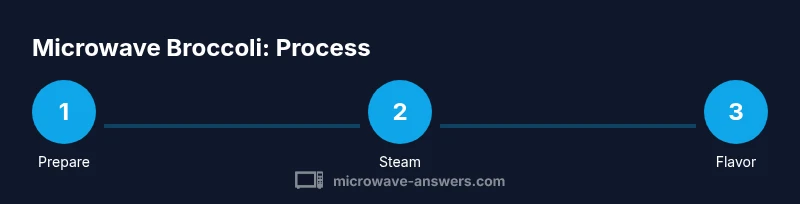
The Steaming Method: Water, Cover, Timing
Steaming is the cornerstone of tender, vibrant microwave broccoli. Place the prepared broccoli in a microwave-safe dish and add enough water to create steam, usually about 2–4 tablespoons per head. Cover the dish with a microwave-safe lid or plate, ensuring a small vent to allow steam to escape. Microwave on high power for 2–4 minutes, depending on batch size and microwave wattage. If you’re using a lower-wattage microwave, you may need to add an extra minute. After cooking, let the broccoli rest covered for 1 minute to allow residual heat to finish the process and to develop a consistent texture.
Always check for doneness after the initial cook time; the florets should be tender-crisp, not mushy. If needed, microwave in 30-second increments until the preferred tenderness is reached. For better texture, avoid overcrowding the dish; air and steam will circulate more effectively when broccoli pieces are evenly spaced.
Texture and Flavor: Achieving the Ideal Bite
Texture is a personal preference, and microwave broccoli can range from crisp-tender to softer with a minute more of steam time. If you like a crisper bite, remove the lid promptly after the initial cook and let the broccoli rest for a minute, which uses residual heat without turning the florets mushy. If you prefer softer broccoli, add 30–60 seconds and test again. Finishing with a light drizzle of olive oil or a squeeze of lemon adds flavor without compromising texture. Salt and pepper can help enhance sweetness and balance bitterness; add them after cooking because salt can draw moisture and soften the surface if added too early.
For extra zing, try a quick toss with minced garlic (cooked briefly in a tiny bit of oil) or a pinch of chili flakes after cooking. A splash of citrus juice or a dusting of grated Parmesan provides a savory finish that complements the broccoli’s natural flavor. This approach keeps the dish simple yet satisfying for weeknight dinners.
Flavor Boosts and Quick Variations
While plain broccoli is tasty, you can dial in flavor quickly to suit different meals. Try a light lemon-garlic variation: whisk a teaspoon of lemon juice, a pinch of garlic powder, and a teaspoon of olive oil, then toss with the hot broccoli. For a nuttier note, finish with toasted sesame seeds or a sprinkle of grated hard cheese. If you’re aiming for a crisp edge, finish with a brief 1–2 minute blast of higher heat uncovered to drive off excess moisture while keeping the center tender.
Experiment with herbs such as thyme, oregano, or dill for unique profiles. If you’re cooking for kids or picky eaters, a tiny amount of grated cheese or a dusting of paprika can make broccoli more appealing. These variations are quick to implement and don’t add significant time to your meal prep.
Safety, Cleaning and Common Mistakes
Safety is essential when using the microwave. Never use metal in the microwave, and ensure the dish is microwave-safe to avoid melting or chemical leaching. Steam burns are a real risk—lift lids away from you to avoid steam contact, and use oven mitts when handling hot containers. A common mistake is using too little water, which can dry out the broccoli and cause uneven cooking; always include a small amount of water to generate steam. Overcrowding the dish leads to uneven heating and soggy texture. If you notice condensation on the lid, tilt the dish slightly to vent excess moisture and prevent soggy florets. Finally, avoid reheating broccoli multiple times in quick succession, as repeated heating can degrade texture and flavor and increase nutrient loss.
For cleanup, wash dishes promptly to prevent residue from hardening, and wipe down the microwave interior to prevent odor carryover. Regular cleaning keeps the microwave smelling fresh and ensures consistent cooking results.
Authority Sources and Final Recommendations
To ensure safe and effective microwaving, rely on established food-safety guidance and evidence-based cooking practices. In practice, the microwave method balances speed with nutrition when executed with proper timing and steam management. For reliable information on food safety, consult official sources on how to prepare and cook vegetables safely.
Authority sources:
- https://www.fsis.usda.gov
- https://www.fda.gov
- https://extension.osu.edu
The Microwave Answers team recommends using the steaming method with uniform florets and a vented cover for consistent results. By following these guidelines, you can enjoy bright, tender broccoli in minutes without sacrificing safety or flavor.
Tools & Materials
- Microwave-safe dish (glass or BPA-free plastic)(Large enough for even single-layer distribution; avoid deep bowls that trap moisture)
- Water(About 2–4 tablespoons per head to create steam)
- Microwave-safe lid or plate(Vent or leave a small gap to prevent pressure build-up)
- Cutting board(For trimming broccoli and cutting florets into uniform sizes)
- Chef’s knife(Sharp knife for clean cuts; safety first)
- Colander(Useful for washing and draining broccoli before cooking)
Steps
Estimated time: 5-7 minutes
- 1
Prepare broccoli
Rinse broccoli under cold water, trim the stems, and cut into uniform florets about 1–2 inches wide. Pat dry to remove surface moisture.
Tip: Uniform pieces cook evenly; smaller florets reach tenderness at the same rate as larger ones. - 2
Add water to dish
Place the florets in a microwave-safe dish and add 2–4 tablespoons of water to generate steam. Spread evenly to maximize heat distribution.
Tip: Too little water leads to uneven texture; too much water can make soggy florets. - 3
Cover and cook
Cover with a vented lid or plate. Microwave on high for 2–4 minutes, depending on batch size and wattage. Let stand 1 minute after cooking.
Tip: If your microwave is under 1000W, add 1 extra minute and test in 30-second increments. - 4
Check tenderness
Carefully lift the cover away from you to avoid steam burns and check texture. If you prefer softer broccoli, microwave 30–60 seconds more in 30-second bursts.
Tip: Test with a fork or knife—the goal is bright green color and tender-crisp texture. - 5
Drain and season
Carefully drain any remaining water, then season to taste with salt, pepper, oil, lemon juice, or cheese.
Tip: Season after cooking to preserve flavor and prevent moisture loss from salt.
Common Questions
Can microwave broccoli preserve nutrients?
Microwaving broccoli with a small amount of water and a tight cover helps preserve color and nutrients better than boiling, provided you don’t overcook it. Tender-crisp florets retain more vitamin C and other heat-sensitive compounds.
Yes. If you don't overcook it, microwaving helps preserve nutrients compared to boiling, especially when you keep the florets tender-crisp.
How long should broccoli be microwaved?
Start with 2 minutes for a single head and check tenderness. If needed, continue in 30-second increments until you reach your preferred level of doneness.
Start at two minutes and add short bursts until it’s tender-crisp to your liking.
Can I microwave frozen broccoli?
Yes, but expect slightly softer texture and more water release. You may need an extra minute or two compared to fresh broccoli and should drain excess water after cooking.
Yes, you can, but it may be a bit softer and wetter; you might need extra time.
Is microwaving broccoli safe for kids?
Microwaving broccoli is a safe method when you use microwave-safe containers and supervise children around hot dishes and steam.
Yes—just supervise around hot containers and steam.
How do I reheat broccoli in the microwave?
Reheat in short 30-second bursts, adding a splash of water if needed to re-create steam. Check for even heat and avoid overcooking to prevent mushiness.
Reheat in short bursts with a bit of water to keep it from getting dry.
What if my broccoli is soggy after microwaving?
Soggy texture usually means too much moisture or overcooking. Try draining thoroughly, using less water, and letting it rest uncovered for a minute to evaporate excess moisture.
If it’s soggy, drain more, use less water, and let it rest briefly to lose excess moisture.
Watch Video
Main Points
- Cook broccoli in 2–4 minutes with water and steam.
- Uniform florets ensure even texture and color.
- Cover during cooking to trap steam and preserve nutrients.
- Season after cooking for best flavor.