How to Make Asparagus in the Microwave: Quick Guide
Learn a fast, safe method to cook asparagus in the microwave. This step-by-step guide covers prep, timing, seasoning, and tips for perfect tenderness in minutes.


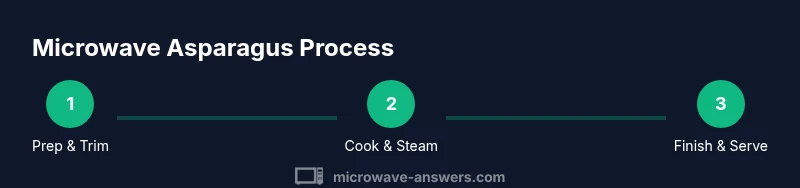
You can make crisp-tender asparagus in minutes using the microwave. Prep spears, add a splash of water and season lightly, then cook in a covered dish for 4–6 minutes. Finish with a bright finish and serve immediately for best texture.
Why microwaving asparagus is a convenient choice for busy cooks
Microwave cooking offers a fast, reliable way to prepare a healthy vegetable side without heating your entire kitchen. When done with care, asparagus retains bright color, a pleasant snap, and a delicate, fresh flavor. The Microwave Answers team frequently highlights that a small amount of steam is all you need to achieve tender-crisp results in minutes. This method reduces stove time, minimizes cleanup, and preserves nutrients that can be diminished by longer cooking methods. By understanding a few simple variables—spears uniform in thickness, a splash of water to generate steam, and a covered container—you can consistently produce high-quality results even on the busiest weeknights.
Selecting and prepping asparagus for microwave cooking
Choose spears that are firm and evenly thick. Thick stalks may require a minute longer, while slim spears cook quickly and can become mushier if overcooked. Rinse well under cool water to remove any grit. Trim the woody ends by snapping or cutting about 1–2 inches from the bottom, then pat dry. Keeping spears aligned helps them cook evenly and prevents some from overcooking while others stay underdone. If you plan to add oil or butter, have it measured and ready to drizzle after cooking for best flavor without greasing excess water at the start.
Flavor foundations: seasoning ideas that work in the microwave
A light seasoning enhances asparagus without masking its natural brightness. A pinch of salt, a drizzle of olive oil or a small pat of butter, and a squeeze of lemon juice create a clean, vibrant profile. Fresh herbs like dill or parsley add color and aroma without adding bulk. If you prefer richer flavor, a tiny sprinkle of grated parmesan or a dusting of garlic powder can elevate the dish without requiring additional cooking time. The goal is to let the asparagus’ sweetness come through while keeping the finish crisp and lively.
Microwave cookware and setup: choosing the right container
Use a microwave-safe dish with a vented lid or secure plastic wrap with small vents to prevent condensation buildup. A shallow vessel promotes even steam distribution. Add about 1/4 cup of water to the dish to generate steam without soaking the spears, which can lead to sogginess. If you don’t have a vented lid, cover with microwave-safe parchment or a plate that sits loosely to allow steam to escape. Position spears in a single layer when possible; if you must overlap, arrange them in a circular pattern to promote even cooking.
Safe, practical cooking method: an overview of the micro-steaming approach
This method relies on short, consistent bursts of high heat, followed by brief rests to finish cooking with residual steam. Start with 4 minutes for slender spears and 6 minutes for thicker ones. After microwaving, let the dish rest for 1–2 minutes; the steam will continue to soften the spears without overcooking. If the texture isn’t quite right, re-cover and microwave in 30-second increments, checking after each interval. This approach minimizes moisture loss while preserving flavor and color.
How to tell when asparagus is perfectly cooked
Tender-crisp asparagus will yield to gentle pressure with a fork and show a vibrant green color. If it still feels stiff, give it another 30–60 seconds, then test again. Overcooked asparagus becomes mushy and dull in flavor, a common mistake when cooking in a microwave due to overly long times or uneven spears. For best results, aim for a brief, controlled finish and remove any spears that reach the desired texture earlier than others so they don’t overshoot.
Finishing touches and serving ideas
Finish with bright accents like lemon juice, a drizzle of olive oil, or a sprinkle of flaky salt to enhance natural sweetness. Fresh herbs, cracked pepper, or a tiny amount of grated Parmesan add dimension without heavy sauces. This side pairs well with proteins like grilled chicken or salmon and can be integrated into bowls with grains, chickpeas, or creamy dressings. If you’re planning ahead, portion and cool quickly to preserve texture when reheating.
Safety reminders for microwave prepping and storage
Always use a microwave-safe dish and cover to prevent splatter and ensure even steaming. Avoid thick, non-vented coverings that trap steam and may cause pressure buildup. After cooking, allow the dish to stand briefly to let residual heat complete the cooking and to prevent hot steam burns. When storing leftovers, refrigerate promptly in an airtight container and reheat only once to maintain quality and reduce food-safety risks.
Reheating and repurposing microwave asparagus across meals
Reheating is convenient but can soften texture if steamed too long. Add a splash of water and reheat in short intervals, checking frequently. Consider repurposing leftovers in salads, pasta, or grain bowls where the asparagus can contribute color and crunch without dominating the dish. Keeping portions intact and adding a fresh finishing touch will help preserve flavor across meals.
Troubleshooting: avoiding common pitfalls
If asparagus comes out pale or soggy, reduce cook time by 30 seconds next attempt or lower the power to 80% for a more controlled cook. If spears cook unevenly, rearrange them during the rest period and ensure the dish isn’t overcrowded. Use fresh, crisp spears rather than limp ones, and keep seasonings light to avoid overshadowing the vegetable’s natural flavor.
Tools & Materials
- Microwave-safe dish with lid(Glass or ceramic with vented lid; optional parchment for extra steam control)
- Sharp knife or kitchen scissors(For trimming woody ends evenly)
- Cutting board(A clean, stable surface for prep)
- Measuring spoons(For optional seasonings and small oil amounts)
- Water (about 1/4 cup)(Generates steam without soaking spears)
- Oil or butter (optional)(Adds richness without heavy sauce)
Steps
Estimated time: 8-12 minutes
- 1
Prep the asparagus
Rinse spears under cool water and pat dry. Trim the woody ends evenly, removing about 1–2 inches depending on the spear. Align spears on the cutting board so you can gauge uniform thickness for even cooking.
Tip: Uniform thickness ensures all spears cook at the same rate. - 2
Season lightly
If desired, drizzle a small amount of olive oil or place a tiny pat of butter on top of the spears. Sprinkle with a pinch of salt and pepper. You can also add a hint of lemon zest for brightness.
Tip: Oil helps conduct heat and enhances flavor without adding extra calories. - 3
Arrange in dish
Place spears in a single layer in the microwave-safe dish. If you have thick spears, you can overlap slightly but avoid a dense pile to ensure steam reaches all surfaces.
Tip: Single layer promotes even cooking and crisp-tender texture. - 4
Add water and cover
Pour about 1/4 cup water into the dish. Cover with a vented lid or loosely with microwave-safe wrap to allow steam to escape.
Tip: Ventilation prevents pressure buildup and soggy results. - 5
Cook in microwave
Cook on high for 4 minutes for slender spears and up to 6 minutes for thicker ones. Start with the shorter time and test for texture.
Tip: Check after the initial cook and use 30–60 second increments if needed. - 6
Check tenderness
Carefully remove the dish and pierce a spear with a fork. If it meets your preferred tenderness, proceed to the next step; otherwise, microwave in short bursts.
Tip: Avoid overcooking; steam continues slightly after microwaving. - 7
Rest briefly
Let the dish stand for 1–2 minutes. The residual heat will finish cooking and help flavors meld.
Tip: Resting preserves texture and prevents a mushy bite. - 8
Finish and flavor
Drizzle with lemon juice, extra-virgin olive oil, or a light sprinkle of Parmesan. Toss gently to combine.
Tip: Finish with bright flavors to lift the vegetable’s natural sweetness. - 9
Serve or store
Serve immediately for best texture. If storing, transfer to an airtight container and refrigerate promptly.
Tip: Reheat with a splash of water to restore steam and texture. - 10
Cleanup
Let cookware cool before washing. Use warm, soapy water and a non-scratch sponge to preserve the dish.
Tip: Remove residual steam before touching hot surfaces.
Common Questions
Can you microwave asparagus without water?
Water creates steam that cooks asparagus evenly in the microwave. Without water, the spears may dry out or cook unevenly and could become tough.
Water creates the steam you need for even microwaving, so avoid cooking without it.
How long does asparagus take to microwave?
Thin spears typically require about 4 minutes, while thicker spears may need up to 6 minutes, depending on your microwave and desired tenderness.
Most cooks start with four minutes and check, adding time in short bursts if needed.
Should I trim woody ends before microwaving?
Yes. Trimming 1–2 inches from the bottom ensures you remove the toughest part and helps even cooking.
Trimming the ends helps all spears cook evenly.
Is microwave asparagus safe to eat?
Yes. Asparagus cooked in the microwave is safe when using food-safe containers and proper cooking times. Let it rest briefly before eating.
Microwave-cooked asparagus is safe with the right container and timing.
Can I reheat asparagus in the microwave?
Reheat with a splash of water and in 30–60 second bursts to regain moisture without overcooking.
Reheat with a little water and check in short bursts.
Can I microwave asparagus with cheese on top?
A light sprinkle of grated Parmesan can be added after cooking, but avoid lengthy melting times that can clump cheese and dampen texture.
Cheese can be added after cooking for flavor, not during microwaving.
Watch Video
Main Points
- Choose uniform spears for even cooking
- Use a splash of water to create steam
- Cook in short intervals and test texture
- Finish with bright flavors for best balance
- Store properly and reheat with steam in mind