How to Boil Water in a Microwave: Safe and Simple
Learn how to boil water in a microwave safely with step-by-step instructions, container tips, and safety precautions. This guide covers venting, avoiding superheating, and practical alternatives for different volumes.


Boiling water in a microwave is convenient for small amounts when you follow safe methods. Use a microwave-safe container with venting, heat in short intervals, and stir to distribute heat. Do not seal the container; watch for eruptions, and avoid overheating. This guide explains how to boil water microwave safely.
Why Microwave Boiling Is Handy
Boiling water is a common kitchen task, and many home cooks wonder if a microwave can do it as cleanly and quickly as a stove. The answer is yes, with the right technique. For small quantities—think a cup or two—a microwave can reach boiling temperatures in minutes without the need to heat a larger pot. This approach is especially useful when you’re rushing to mix tea, coffee, or instant foods. According to Microwave Answers, many people find microwaving water to be a convenient alternative when done with safety in mind. The key is understanding how microwaves heat water, how to prevent overheating, and how to choose the right vessel for safe boiling. By following the guidance here, you’ll avoid common pitfalls and achieve reliable results every time.
In addition to speed, microwaving water can save energy compared to heating a large pot on a stove for tiny amounts. It’s also handy in apartments with limited stove access or in dorm kitchens where quick caffeine fixes matter. The rest of this article covers practical steps, safety considerations, and troubleshooting tips to ensure a safe boil every time. For most users, mastering this simple method unlocks a versatile tool for quick beverage prep and recipe prep that calls for hot water.
Safety First: Risks and How to Mitigate Them
Water heated in a microwave is prone to a few unique issues that don't appear when you boil on a stove. The most important risk is superheating: water can exceed its boiling point without forming visible bubbles, becoming unstable and potentially erupting when disturbed. To minimize this risk, always use a microwave-safe container with a vented lid or a small opening, never seal a container tightly, and avoid heating water for too long at once. Another risk is uneven heating; microwaves often heat unevenly, creating hot spots that can scald. Stirring between heating intervals helps distribute heat evenly.
Microwave safety also means choosing the right vessel. Avoid metal and ensure the container is labeled microwave-safe. Don’t heat water in a container with decorative metallic paints or trim, as that can cause arcing. If you’re heating water for babies, tea for little ones, or substances that you’ll taste directly, ensure the water reaches a stable boil to reduce the risk of bacteria or contaminants in the water coming into contact with the food or drink.
Finally, be mindful of your surroundings. Hot containers can burn skin and surfaces, so use oven mitts and place the container on a heat-safe surface. Keep children away during the boiling process, and never leave water unattended while it’s heating. By understanding these risks and following best practices, you’ll boil water safely in the microwave when a stove isn’t convenient.
Containers, Venting, and Setup
The vessel you choose is the foundation of a safe microwave boil. Opt for a microwave-safe glass or ceramic container with a wide mouth, which helps heat transfer and lets steam escape more easily than a tall, narrow mug. A shallow dish or measuring cup can work well for very small amounts. If you prefer to cover the top, use a vented lid or simply place a microwave-safe plate loosely on top to allow steam to escape. Avoid containers with metal rims, metallic paint, or metals embedded in the glaze, as metal can reflect microwaves and cause sparks.
Temperature distribution matters. Wide, flat surfaces heat more evenly than tall, narrow ones. If you’re boiling larger volumes, consider using a wider container to minimize hotspots and reduce total heating time. Always check the container’s label for“microwave-safe” and never use containers that are cracked or chipped, which can harbor weak spots and break under heat. Finally, keep a close eye during the first bursts of heating; if you notice unusual smells or sparks, stop immediately and transfer the water to a safe vessel.
The Right Technique: A Detailed Approach
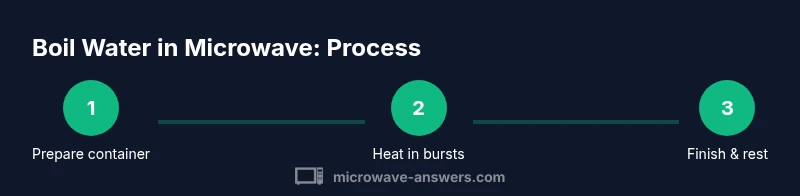
How you heat water in the microwave determines your success. Start with a small amount of water in a microwave-safe container and heat in short bursts. A typical approach is to heat for 30–60 seconds, then pause and stir. This pause allows heat to distribute more evenly and prevents sudden boiling that can cause splatter.
After the initial burst, continue in short intervals—20 to 60 seconds each—checking for steam, bubbles, and the rolling boil. When you see consistent bubbles rising from the surface, you’ve reached a boil. If you’re aiming for just hot water rather than a full boil, remove the container as soon as the desired heat is reached to avoid overdoing it.
Swirling the water between heats helps break up cold pockets. If you’re heating water for tea or instant coffee, consider adding your tea bag, coffee, or instant ingredient after the water reaches the boil, or while you’re on a brief simmer. This ensures you don’t overexpose delicate flavors to excessive heat. If you want to avoid spills, use a slightly larger container than the water volume to provide space for expansion during boiling.
Troubleshooting: Common Issues and Fixes
If your water isn’t boiling after several short bursts, check the microwave’s wattage and adjust the heating times accordingly. A lower-wattage microwave will require more time in between bursts, while a higher-wattage unit may boil faster but risk overheating if you’re not careful.
If you observe uneven heating (large patches of water still cool while other parts boil), pause and stir more frequently or switch to a wider container. If your water seems to spit or splash excessively, reduce the starting volume and heat in smaller increments to minimize splatter. In cases of superheating where the water erupts after you remove the container or disturb the water, ensure you use a vented cover next time and stir thoroughly to create nucleation sites for bubble formation.
Should you notice a strange odor, color, or presence of particulates, discard the water and rinse the container. Returning to safe practices and clean equipment prevents those issues from affecting future boils. Finally, if you must boil water for sensitive tasks, consider alternative methods such as a kettle with controlled spout flow or a stove to better manage temperature.
Authoritative Sources and Further Reading
- U.S. FDA safety tips for handling hot liquids and preventing burns: https://www.fda.gov/food-safety
- Centers for Disease Control and Prevention (CDC) food safety basics: https://www.cdc.gov/foodsafety/index.html
- Occupational Safety and Health Administration (OSHA) general kitchen safety guidelines: https://www.osha.gov
These sources provide foundational safety guidance that complements practical techniques for safer microwave boiling. For more detailed microwave-usage instructions, consult your appliance’s user manual and manufacturer recommendations.
Tools & Materials
- Microwave-safe container (glass or ceramic, wide mouth)(Avoid metal or containers with metallic accents; ensure label says microwave-safe.)
- Ventilated lid or loose microwave-safe plate(Allows steam to escape to prevent pressure buildup and splatter.)
- Oven mitt or heat-resistant glove(Use when handling hot containers to prevent burns.)
- Spoon or stirrer made of wood or heat-safe material(Stirring helps distribute heat and prevents superheating.)
- Measuring cup or graduated container(Useful for precise volumes and repeatable results.)
Steps
Estimated time: 4-7 minutes
- 1
Place water in microwave-safe vessel
Pour the desired amount of water into a microwave-safe container. Leave a little headspace to prevent boiling over and ensure the vessel is clean. Do not seal the container; you want a vent for steam.
Tip: Use a wide, shallow container to promote even heating. - 2
Position container in microwave
Place the container in the center of the microwave turntable. Avoid placing near edges where heat distribution can be uneven.
Tip: If your microwave has a low power setting, start with a shorter initial burst. - 3
Heat in short bursts
Heat for 30–60 seconds, then pause to let heat distribute and to check for signs of boiling. Stir if possible to equalize temperature.
Tip: Pauses are essential to prevent superheating and splatter. - 4
Check for boil and consistency
Look for steady bubbles breaking the surface and abundant steam. If you don’t see it, repeat heating in short bursts until boil is achieved.
Tip: Be cautious: the container and water can be extremely hot. - 5
Remove safely and cool briefly
Carefully remove the container using an oven mitt. Place it on a heat-safe surface and allow a brief stand time before use.
Tip: Letting it rest for a moment reduces the risk of burns from sudden steam. - 6
Clean up and store
Allow the vessel to cool completely before washing. Dry and store in a safe place away from heat sources.
Tip: Rinse promptly to prevent mineral buildup and residue.
Common Questions
Is it safe to boil water in a microwave?
Yes, it can be safe when you use a microwave-safe container, vent the vessel, and heat in short bursts with gentle stirring. Be mindful of heat distribution to avoid hotspots.
Yes, it’s safe if you vent, stir, and monitor heat.
What causes superheating and how can I avoid it?
Superheating happens when water is heated above its boiling point without visible bubbles. To avoid it, use vented containers, avoid sealed covers, and stir between heating bursts.
Superheating occurs when there are no bubbles; vent and stir to prevent it.
Can I boil more water in a larger container?
Yes, but larger volumes heat unevenly in microwaves. Use a wide, shallow vessel and stir during intervals to promote even heating.
You can, but use a wide container and stir often.
What containers are safe for boiling water in the microwave?
Choose microwave-safe glass or ceramic containers. Avoid metal and check that the item is labeled microwave-safe by the manufacturer.
Use microwave-safe glass or ceramic; avoid metal.
What are the signs that water has boiled in the microwave?
Look for steady bubbles rising and visible steam. If you hear sputtering or see no bubbles but feel heat, proceed cautiously and test with care.
Steady bubbles and steam mean boiling; otherwise be cautious.
Watch Video
Main Points
- Use microwave-safe vessels only.
- Vent and stir to prevent superheating.
- Heat in short bursts and check frequently.
- Handle hot containers with care.
- Consult the user manual for your appliance.