What Can You Microwave Water In? Safe Containers and Tips
Discover safe containers for microwaving water, how to test them, and practical steps to prevent superheating and spills. This practical guide from Microwave Answers helps home cooks heat water safely.


To answer what you can microwave water in: use only microwave-safe containers—glass, ceramic, or heat-resistant plastic labeled microwave-safe. Do not use metal, foil, or containers that aren’t explicitly approved for microwaves. This helps prevent superheating, arcing, and spills, while keeping your water safe to handle and use. Always check the label and avoid containers with cracks.
Why container choice matters for microwaving water
Choosing the right container is not cosmetic—it's a safety decision that affects heat distribution, the water's purity, and the risk of spills. A container that isn't suited for microwaves can heat unevenly, expose you to hot spots, or weaken over repeated use. According to Microwave Answers, using the wrong vessel can increase the chances of superheating, which occurs when water becomes extremely hot without visible boiling. This can lead to sudden bursts of steam when you remove the container or disturb the liquid. Start with a container that is clearly labeled microwave-safe, free from cracks, and made of glass, ceramic, or heat-resistant plastic. If you doubt a container's safety, test it in small amounts and observe for any odor, discoloration, or warping after heating.
This approach aligns with practical kitchen safety practices and reduces surprises when you reach for a cup of hot water. By prioritizing a clearly labeled microwave-safe material, you’re laying a foundation for safer daily use and longer-lasting dinnerware. The Microwave Answers team emphasizes that starting with the right vessel sets the stage for consistent results and lower risk of accidents in busy kitchens.
Safe materials for heating water in a microwave
Radiation-friendly materials keep heat consistent and reduce the risk of chemical leaching. The safest choices for heating water are:
- Borosilicate or tempered glass (look for a label such as 'microwave safe' or 'dishwasher safe'), sturdy and non-porous
- Ceramic mugs and bowls free of metallic glazes
- BPA-free, heat-resistant plastics marked 'microwave-safe'
Always avoid containers with metal trim, metallic decals, or recycled plastics whose composition is unclear. Even if a plastic seems sturdy, some types can warp, melt, or transfer flavor to the water. If in doubt, opt for glass or ceramic. For delicate beverages like tea or hot cocoa, select a container with a broad base to minimize hot spots and allow steam to vent.
Materials to avoid and why
Metal is off-limits for microwaving water because metal reflects microwave energy, can produce arcing (sparks), and may ignite if overheated. Aluminum foil, metal utensils placed inside, or metal rims on mugs should never be used to heat water in a microwave. Also avoid containers that aren't explicitly labeled microwave safe or that show cracks, chips, or heat warping. Cracks create weak points where steam can seep and spill. Some old plastics or dishes with unknown composition can shed flavors or toxins into hot water. If you must reuse a container that previously held food with strong dyes or heavy pigments, consider whether the glaze or paint is microwave-safe. In short: when in doubt, pick glass or ceramic and test a small amount of water before heating.
How to test whether a container is microwave-safe
Start with the labeling: a true microwave-safe symbol is your first clue. If the label is missing, perform a simple test: fill the container with water and microwave on high for one minute. Carefully remove and touch the outside: it should be cool to the touch and not warped. If the outside is warm but not burnt and the plastic hasn’t softened, the container is likely safe for small amounts of water. Inspect for any odor, melting, or discoloration afterwards. If you notice any of these signs, discard the container and replace it with a clearly labeled microwave-safe option. Always ensure the container is not sealed during heating; leave a vent for steam.
Practical tips for heating water safely in a microwave
Practical safety tips include heating water in short bursts, usually 30–60 seconds at a time, depending on quantity and microwave power. Stir between bursts to release trapped heat and avoid superheating. Use a wooden or heat-resistant stirrer to mix the water, rather than stirring with metal objects. Place the container on a microwave-safe plate to catch any drips and to provide a stable base. If the water is for tea or instant coffee, heat to the desired temperature in increments to avoid scorching. Always use an oven mitt when handling hot containers and keep children away from microwaves during operation. These practices reduce the risk of burns and accidents. Microwave Answers analysis shows that most safety incidents occur when users heat water in questionable containers or seal containers.
Understanding superheating and how to avoid it
Superheating happens when water is heated past its boiling point without visible bubbles. It can occur in very smooth, clean containers and with small amounts of water. The result is a sudden eruption of steam when the liquid is disturbed. To minimize the risk, heat in short increments, avoid agitation, and never seal a container fully. If you see bubbles forming, pause and stir; if not, stop before the water begins to boil. Manufacturers advise to watch closely when heating near the boiling point, as the energy can cause steam build-up.
Common myths about microwaving water debunked
Myth: Water cannot be overheated in a microwave. Fact: It can happen, especially with very smooth containers and small volumes. Myth: Any plastic cup labeled microwave-safe is always safe for hot liquids. Fact: Some plastics can warp or leach with heat. Myth: Heating water longer always makes it hotter. Fact: Beyond a certain point, you risk superheating without visible boiling, which is dangerous. The truth is that safe practice and proper containers make microwaving water reliably predictable.
Safety checklists for home cooks
- Use microwave-safe containers only.
- Do not seal containers; always vent steam.
- Heat in short bursts and stir in between.
- Handle hot containers with oven mitts.
- Keep water away from the microwave edges to prevent tipping.
- Inspect containers for cracks or damage before use.
- Clean and dry containers after use to prevent residue buildup.
How to clean up and store heated water safely
Allow the water to cool briefly before removing the container from the microwave. Wash the container with warm soapy water or place it in the dishwasher if it is dishwasher-safe. Do not store hot water in a sealed container, as pressure can build up and cause leaks or breaks. If you need to store hot water for later use, transfer to a labeled jar or bottle once it has cooled to a safe temperature and refrigerate according to food safety guidelines.
Tools & Materials
- Microwave-safe glass or ceramic container (cup, mug, or small bowl)(Ensure it is labeled microwave-safe and free from cracks.)
- Measuring cup or kitchen scale(For accurate water quantity and consistent results.)
- Oven mitts or heat-resistant gloves(Use when handling hot containers.)
- Microwave-safe plate or tray(Get a stable base to catch spills.)
- Silicone sleeve or handle cover (optional)(Improves grip and protects hands.)
- Thermometer (optional)(To verify target temperature.)
Steps
Estimated time: 5-10 minutes
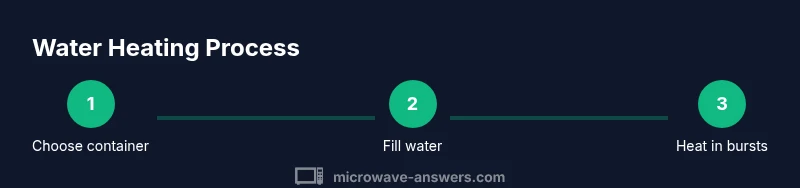
- 1
Choose a microwave-safe container
Select a container clearly labeled microwave-safe. Check for cracks or chips that could harbor bacteria or cause uneven heating. If in doubt, choose glass or ceramic.
Tip: Always inspect the label before filling with water. - 2
Measure the water
Pour the desired amount into the container, leaving at least 1 cm of headspace to prevent boil-overs. Use a measuring cup to ensure consistency, especially when recipes or beverages depend on precise volumes.
Tip: Count on even heating by avoiding overfilling. - 3
Position the container on a stable base
Place the container on a microwave-safe plate and center it on the turntable for even heating. A stable base reduces tipping and drips, which can cause messy spills or hot spots.
Tip: If your plate is rotating, give the container a gentle nudge to prevent edge overheating. - 4
Heat in short bursts and stir between
Heat in short bursts (30–60 seconds depending on power), then pause to stir the water. Stirting releases built-up heat and helps avoid superheating, which can occur without visible signs of boiling.
Tip: Do not leave water unattended during heating. - 5
Check temperature and adjust
After each burst, check the temperature with a thermometer if you have one, or test by carefully touching the cup. If the water isn’t hot enough, repeat short bursts rather than extending a single long heat cycle.
Tip: Heat in small increments to avoid scalding. - 6
Care after heating
When you’ve reached the desired temperature, let the container stand for a moment before handling. Use oven mitts to remove it, and keep steam vents clear to avoid pressure buildup.
Tip: Always vent and handle with care to prevent steam burns.
Common Questions
Can you microwave water in a plastic cup?
Only if the plastic is clearly labeled microwave-safe. Some plastics can warp or leach chemicals when heated.
Only if it's clearly labeled microwave-safe; otherwise, avoid using it.
Is it safe to microwave water in glass?
Yes, glass is generally safe for microwaving water when it is labeled microwave-safe and free of cracks.
Glass is usually safe if labeled microwave-safe and intact.
What is superheating and how can I avoid it?
Superheating occurs when water gets hotter than its boiling point without visible bubbles. Avoid by heating in short bursts and stirring between cycles.
Superheating can happen; use short bursts and stir to prevent it.
Why does water sometimes explode in a microwave?
Steam can build up under smooth surfaces and cause a sudden eruption when disturbed. This is rare but avoidable with proper containers and venting.
It can happen if steam builds up; use venting and proper containers.
Can I use metal containers to heat water?
No. Metal reflects microwaves, can arc, and may cause fires or damage the appliance.
Never use metal for heating water in a microwave.
Should I microwave water for tea?
Yes, with a microwave-safe container and careful bursts to reach the desired temperature.
Yes, just heat in short bursts and check the temperature.
How do I test if a container is microwave-safe?
Look for a microwave-safe label or conduct a small water-heating test and inspect for warping or odor.
Check the label or test with a small amount of water.
What should I do after microwaving water?
Carefully remove the container with mitts, vent steam, and avoid placing hot containers on cold surfaces that could crack.
Wear mitts, vent steam, and set it down safely.
Watch Video
Main Points
- Use microwave-safe containers.
- Avoid metals and unknown plastics.
- Heat in short bursts and stir between.
- Handle hot containers with oven mitts.
- Follow Microwave Answers' guidelines to heat water safely.