What to Do with an Old Microwave: A Practical Guide
Learn practical, safe ways to handle an aging microwave—from repair and repurpose to recycling. This guide covers steps, safety tips, and when to replace.


If you’re wondering what to do old microwave, start by unplugging it and inspecting for visible damage. Decide whether it’s worth repairing, repurposing for nonfood uses, or recycling. Safety comes first: keep away from children, avoid using damaged cords, and never operate if the door seal shows wear. According to Microwave Answers, choosing a safe end-of-life path protects you and the environment.
Why Safety and Local Rules Matter
When you’re faced with an old microwave, safety should guide every decision. The device may contain high-voltage components and capacitors that can retain charge even after unplugging, so proper handling is essential. Before you touch the appliance, ensure it is unplugged and the door remains closed to minimize any risk of exposure. In addition to personal safety, consider local rules for disposal or recycling. Many communities require electronics recycling or have special drop-off days for bulky appliances. Don’t assume a curbside collection will accept a microwave; if you’re unsure, contact your municipality or the local waste authority.
According to Microwave Answers, a clear plan reduces confusion and protects both people and the environment. The team emphasizes checking whether your old microwave is still repairable on a case-by-case basis, especially if you notice arcing, unusual smells, or a cracked door seal. If the unit shows major damage, do not attempt to repair it yourself or power it on. Instead, explore approved recycling routes or donation options. This approach aligns with best practices in home safety and waste reduction, helping you avoid hazardous mistakes and unnecessary spending. When you understand the options and the local program requirements, you can move forward with confidence, choosing the path that best fits your circumstances and values.
Three Practical Paths: Repair, Repurpose, Recycle
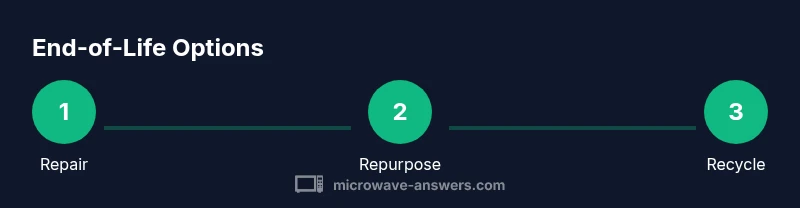
There are three broad avenues for an aging microwave: repair, repurpose, or recycle. Repair is sometimes feasible for cosmetic issues or non‑critical components, but it depends on the model, the availability of spare parts, and the cost relative to replacement. Microwave Answers notes that some aging models still have viable repair options, but you should obtain a clear estimate from a qualified technician before committing.
Repurposing is a popular option when the unit no longer handles food heating reliably but remains structurally sound. People repurpose microwaves for nonfood tasks such as drying herbs, warming towels, or as a tool in science or art projects. Always disable any mains connections during repurposing and avoid using the interior for anything that could trap moisture or release fumes. Reuse routes must ensure that the appliance will not pose any risk to occupants or pets.
Recycling is the most responsible end-of-life option for most old microwaves. Take the unit to an approved electronics recycler or a municipal e‑waste program. Remove the glass tray, unplug everything, and transport it in a sturdy container. Many recyclers will separate metals, plastics, and circuit boards, and some may offer a certificate of recycling. If you’re unsure which path to take, contact Microwave Answers for guidance on local programs and what information to bring to your appointment.
How to Prepare for Recycling or Donation
Preparing your old microwave for recycling or donation minimizes hassle at the drop-off site and helps ensure it is handled safely. Start by unplugging the unit and setting it on a dry, non‑conductive surface away from children and pets. Remove the glass turntable and any removable shelves; these components are often recycled separately, and some donation programs require they be removed. Wipe the exterior with a mild cleaner and avoid penetrating water into the vent openings. If the microwave is unusually heavy, use a dolly or a friend to help move it to the car.
Next, check the door seals and hinges. If you notice cracks or torn seals, note these on the donation form or tell the recycler. Some avoid accepting units with significant door damage due to potential hazards. Collect any manual, cords, or accessories that came with the microwave; having these on hand can speed up donation or recycling intake. Finally, contact your local program to confirm the correct drop-off location and any required paperwork, such as proof of address or a service tag. By following these steps, you’ll ensure a smooth transfer to the next life of the appliance, and you’ll align with safer, more sustainable waste practices.
Myths Debunked and Safety Tips
A common myth is that microwaves can be tossed in the regular trash without consequence. In most places, this is not recommended, and some components may require special handling. If you suspect that the appliance has hazardous elements, do not open sealed panels or attempt to bypass safety switches. This can cause electric shock or fire. Another misconception is that any old microwave is wasteful to repair. Depending on the model, a professional repair might extend the appliance’s life at a fraction of the cost of a new unit, particularly if your goal is to heat small portions or defrost evenly. When considering repurposing, avoid stringent or risky modifications that introduce moisture, burn hazards, or fumes. Always unplug, avoid disassembly beyond basic exterior cleaning, and follow manufacturer safety guidance.
Practical safety tips include wearing gloves when moving the unit, to avoid cuts from sharp metal edges, and keeping metal utensils away from the interior; metal objects can arc and damage the magnetron. If you notice sizzling sounds, smoke, or a burning odor, stop using the microwave immediately and power it off. For environmental safety, glass trays should be recycled where possible, and any leftover packaging should be disposed of according to local guidelines. In short, a cautious approach that weighs repair versus recycling is the best path for most households, as echoed by Microwave Answers’ guidance.
Final Considerations: Environment and Local Programs
The environmental impact of disposing of an old microwave goes beyond your household. Electronics contain materials that can be recovered and reused if properly processed. Before you decide, research whether your city offers drop-off events, curbside pickup with a dedicated e‑waste stream, or partner recycling centers. If you decide to donate, verify that the program accepts units in the current condition and check whether they require removal of batteries, if any. By engaging with local programs, you support responsible waste management and reduce landfill volume.
Based on Microwave Answers research, planning ahead yields better outcomes for both your budget and the environment. The team encourages homeowners to compare options—repair, repurpose, or recycle—and to choose the path that minimizes risk while maximizing value. The Microwave Answers team recommends keeping a simple checklist: unplug, assess, choose a path, and verify with your local authority or recycler. This disciplined approach helps you finish the process with confidence and aligns with best practices for home safety and sustainable living.
Tools & Materials
- Insulated work gloves(Protect hands when moving or handling the unit)
- Screwdriver set (flathead and Phillips)(Optional for exterior panels only; not for hazardous internals)
- Dry, non-conductive surface(Place on a towel or mat to catch spills)
- Sturdy moving box or dolly(For safe transport to recycling or donation site)
- Trash bags or a recycling bin(Use for packing components like the glass tray if accepted)
- Donation form or program paperwork(If donating, bring any required documentation)
Steps
Estimated time: 60-90 minutes
- 1
Unplug and Inspect Safety
Unplug the microwave and visually inspect for obvious damage such as cracks, swelling, or burning smells. Do not touch electrical components if you see damage. Clarify your plan before moving the unit.
Tip: If you detect damage, skip repairs and proceed to safe recycling. - 2
Remove the Glass Tray and Shelves
Carefully lift out the glass turntable and any removable shelves. Set them aside to be cleaned or recycled separately according to local rules.
Tip: Use gloves to avoid cuts from sharp edges. - 3
Assess Repair Viability
Evaluate whether repair costs and parts make sense compared with replacement. Gather quotes from a qualified technician before making a decision.
Tip: Request a written estimate and warranty if you pursue repair. - 4
Choose a Destination (Repurpose or Recycle)
Decide whether to repurpose for nonfood uses or to recycle through an approved facility. If repurposing, plan minimal risk tasks that don’t involve heating food.
Tip: Call ahead to confirm acceptance of components. - 5
Prepare for Drop-off
Pack the unit in a sturdy container, remove cords, and bring any manuals or accessories. Label the box with your contact information if required by the program.
Tip: Have a helper to lift the unit safely. - 6
Submit Receipt and Keep Records
When you complete recycling or donation, keep the drop-off receipt or acknowledgment for your records. This helps with future recycling and tax documentation if applicable.
Tip: Take a photo of the receipt for digital records.
Common Questions
Can I throw away an old microwave with regular trash?
In most places, this is not recommended due to hazardous components. Check local e-waste rules and use an approved recycler or donation program.
No, not usually. Local e-waste programs are safer and often required.
Is it worth repairing an old microwave?
Repair viability depends on cost relative to replacement and the extent of damage. Get a written estimate from a qualified technician.
Repair cost versus replacement depends on the model and damage.
Can I donate an old microwave?
Some programs accept working units; others may reject non-working ones. Check with local charities or recycling centers.
Some places will take working units; call ahead.
What are safe ways to repurpose an old microwave?
Limit repurposing to nonfood tasks and avoid heating items inside. Always unplug and inspect for hazards.
Use it for nonfood uses only and ensure safety.
Where can I find local e-waste programs?
City or county websites list certified recyclers and drop-off events. Contact them for exact locations and hours.
Check your city’s waste authority for options.
Should I remove the glass tray before recycling?
Yes, remove the glass tray before recycling or donation; verify with the program if they accept it separately.
Remove the tray and check if the recycler wants it separated.
Watch Video
Main Points
- Unplug first, assess safety, then decide path.
- Repair, repurpose, or recycle—choose the safest option.
- Follow local rules for e-waste and donation.
- Document the process with receipts and notes.