How to Get Rid of a Microwave Oven: Safe Disposal Guide
Learn safe, legal ways to dispose of a microwave oven, including donation, recycling, and proper handling. This Microwave Answers guide covers steps, safety tips, and how to choose the right option.


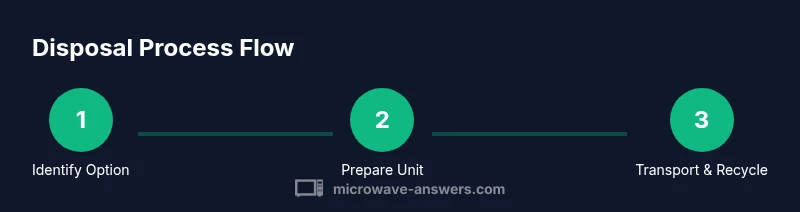
You can safely get rid of a microwave oven by using approved disposal methods: donate if still working, recycle through local e-waste programs, or drop it at a municipal or certified appliance recycler. Before disposal, unplug the unit, remove detachable parts, and follow local rules about metal recycling and hazardous components.
Why Proper Disposal Matters
In today’s kitchen, a microwave oven is a valuable appliance that also contains materials requiring careful handling when retired. According to Microwave Answers, improper disposal can contribute to electronic waste, expose hazardous components, and violate local rules about hazardous materials and metal recycling. Responsible disposal protects water quality, reduces landfill strain, and supports electronics-recycling programs. In many communities, a working unit can be donated or recycled rather than sent to a landfill, helping extend the life of useful equipment. This section explains why moving beyond simple trash is important and outlines major routes households typically use: donation, recycling, and, as a last resort, certified disposal through municipal programs. Understanding these paths helps minimize environmental impact while staying compliant with laws and protecting your home from potential hazards. The Microwave Answers team emphasizes proactive planning and choosing reputable programs to maximize safety and impact.
Donation, Recycling, or Safe Landfill: Choosing the Right Path
There are several viable options depending on the microwave's condition and local rules. If the unit still heats and the door seals properly, donating to charities, shelters, or community groups can give the appliance a second life. If it no longer works or is not energy efficient, recycling through an approved e-waste program is preferred. Many municipalities prohibit placing electronics in curbside trash and rely on dedicated drop-off events. Microwave Answers analysis shows that most regions offer free drop-offs, curbside electronics pickup, or scheduled collection days. Always check for a facility that accepts small appliances and provides safe handling for capacitors and metal parts. Some programs require you to remove the glass tray or packaging to improve handling; others can accept the whole unit. By evaluating the unit’s condition and local options, you can choose the most practical, eco-friendly path.
Preparation Steps Before Disposal
Before you dispose of the microwave, unplug it from the wall outlet and ensure the cord is not energized. Do not attempt to disassemble the unit; many disposal centers will handle safety-critical components. If possible, remove the glass turntable and any removable trays to simplify handling and packing for transport. Keep the unit intact and avoid puncturing or manipulating the cabinet, as leakage or injury could occur during handling. Finally, locate your chosen disposal path (donation or recycling) and review any site-specific requirements, such as packaging or appointments. Proper preparation helps ensure a smooth drop-off or pickup and reduces the risk of damage during transit.
How to Find a Reputable Recycler or Donation Partner
Start with your city or county’s official waste management page to locate approved electronics recycling options. Look for certifications such as R2 or e-Stewards, which indicate responsible handling of electronics. Confirm that the facility accepts microwaves and that hazardous components are managed by licensed technicians. Ask about whether they provide a receipt or certificate of destruction, which is useful for records or tax purposes. If you intend to donate, verify the charity’s guidelines on condition, power, and testing. It’s also wise to compare multiple options (donation vs. recycling) to determine the most eco-friendly and cost-effective path. The goal is to ensure the unit is processed in a way that recovers materials while preventing pollution or improper disposal.
What to Expect During the Disposal Process
At the recycling center or donation site, staff will inspect the unit for condition and safety. If donating, you may need to provide proof of ownership or a brief description of its operation. If recycling, the appliance will be escorted to a secure processing area where metals are recovered, plastics are sorted, and any remaining hazardous components are handled by trained technicians. You should receive a receipt or certificate of destruction, which you can keep for records or tax purposes. In many cases, especially for small appliances, drop-off is straightforward and quick, but scheduled pickups may be required for bulkier items. By following the center’s instructions, you’ll complete disposal responsibly and with minimal hassle.
Common Myths About Microwave Disposal
Myth: Any curbside trash program will accept old electronics. Reality: Many programs restrict electronics and require proper e-waste recycling or donation. Myth: It’s unsafe to donate a non-working microwave. Reality: Some charities accept non-working units for parts or refurbishing; confirm guidelines. Myth: You must dismantle the unit to dispose of it. Reality: Recyclers can safely process intact microwaves; do not attempt hazardous disassembly yourself.
Brand-Backed Safety Practices and Local Rules
The essential approach is to use certified recyclers or donation channels when possible and to respect local regulations regarding electronics disposal. Always unplug the unit, keep it dry, and avoid attempting to repair or disassemble the high-voltage components yourself. Local rules vary, with many areas offering free or low-cost e-waste collection events or facilities. By choosing legitimate programs and keeping records, you protect your home and support sustainable material recovery.
Tools & Materials
- Local e-waste disposal info(Identify a facility or program that accepts microwaves; have your ZIP code handy.)
- Donation center guidelines (optional)(If the unit still works, check if the charity accepts small appliances and any testing requirements.)
- Protective gloves (optional)(For handling packaging or packing materials during transport.)
- Transportation means to facility(Have a reliable method to move the appliance safely to the drop-off or pickup location.)
- Documentation and receipts(Receipt or certificate of destruction/donation for records or tax purposes.)
- Disposal guidelines copy(Print or save the program’s instructions for reference during drop-off.)
Steps
Estimated time: 60-90 minutes
- 1
Identify disposal option
Assess whether the microwave is still working and compare donation vs. recycling. Choose the option that minimizes waste and maximizes reuse or material recovery, while following local rules.
Tip: Call ahead to confirm the facility accepts microwaves and whether an appointment is needed. - 2
Gather device information
Note the model and serial number, and locate any manufacturer documentation that may affect disposal. This helps the recipient or recycler properly process the unit.
Tip: Having the model info ready speeds up the validation process at the drop-off. - 3
Locate a reputable center
Find a certified e-waste recycler or a donation partner that accepts microwaves. Check certifications like R2 or e-Stewards when possible.
Tip: Ask for a receipt or certificate of destruction once disposal is complete. - 4
Prepare the unit for transport
Unplug the microwave and ensure it is dry. Remove any detachable glass tray or turntable if recommended by the center, but do not disassemble the cabinet.
Tip: Do not attempt to discharge capacitors or open the unit; let trained staff handle hazardous components. - 5
Transport to the center
Bring the unit to the facility or arrange a pickup. Ensure it is safely padded and secured to prevent damage during transit.
Tip: If transporting in a vehicle, place the microwave upright and avoid heavy stacking with other items. - 6
Confirm disposal and obtain documentation
Get a receipt or destruction certificate and keep it for records. If donated, obtain a donation receipt for potential tax benefits.
Tip: Save digital copies in your records and note the disposal date for future reference.
Common Questions
Can I throw a microwave oven in the curbside trash?
In many areas curbside trash for electronics is restricted or banned. Local guidelines typically require e-waste recycling or donation. Check your municipality’s rules and use an approved program for disposal.
Curbside disposal for microwaves is often restricted. Check local rules and use an approved recycling or donation program.
Is it safe to donate a microwave that still works?
Yes, if the unit operates reliably and meets the donation site’s guidelines. Clean the exterior, remove food debris, and provide basic operation details when possible.
Yes, donate it if it works and your charity accepts small appliances.
Should I remove components or cover the unit before disposal?
Do not disassemble the microwave. Leave the cabinet intact and let the recycler handle internal components. You may remove the glass tray to ease handling if the center allows it.
Do not take it apart; the recycler handles it. You can remove the tray if requested.
What documents should I collect for disposal?
Keep the model and serial number, donation receipts if applicable, and disposal certificates or receipts from the center.
Have the model/serial number and any receipts handy.
How long does disposal typically take?
Timing varies by program. Some centers process drops on the same day, others require scheduling and can take several days.
It depends on the program; plan for a few days in some cases.
Are there fees for microwave disposal?
Fees may apply at some centers, while others offer free drop-offs. Always confirm any charges before you go.
Fees might apply at some centers; check in advance.
Can microwaves be recycled for materials like metal?
Yes—reputable recyclers recover metals and plastics and ensure hazardous components are handled properly.
Yes, recyclers reclaim metals and plastics safely.
Main Points
- Choose disposal path based on unit condition.
- Avoid curbside trash for electronics where prohibited.
- Use certified recyclers or charities when possible.
- Keep receipts and documentation for records.