700w Microwave Guide: Performance, Tips, and Safety
Explore the practical realities of a 700w microwave, including how wattage impacts cooking, best usage practices, safety tips, and a handy buyer’s checklist for lightweight kitchens.


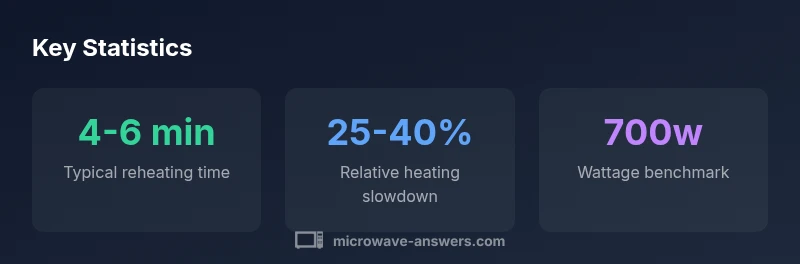
The 700w microwave is a compact, budget-friendly option that heats slowly relative to higher-wattage models, yet remains practical for everyday tasks when used with proper technique. Expect longer cook times, more frequent stirring, and smaller, evenly sized portions for best results. Use covered, microwave-safe containers and stage your tasks in timed intervals, adjusting in 15-to-30 second increments as needed.
Understanding 700W microwaves
A 700w microwave is a compact, lower-wattage appliance common in small kitchens and apartments. For many households, this wattage balances cost, footprint, and performance, especially when you only need quick reheating or light cooking. The term '700W' refers to the appliance's power output, which directly influences how fast it heats food. With 700w microwave units, expect longer cook times compared to standard 1000W models, particularly for dense items like stews or frozen meals. In practice, the key to success is adjusting timing, using appropriate containers, and staging tasks in short intervals. The Microwave Answers team notes that the average user can achieve reliable results by dividing meals into smaller portions and allowing for standing time after each interval to let heat distribute more evenly. When you shop, verify that the door seals are intact and that the turntable rotates smoothly, because poor sealing or a sticky turntable can worsen uneven heating. Overall, a 700W unit remains a practical cornerstone for basic reheating, basic cooking, and light defrosting when used with deliberate technique.
How wattage affects cooking outcomes
Wattage dictates how quickly a microwave enacts heat, which in turn shapes texture, moisture retention, and evenness of heating. In practical terms, a 700w microwave will transfer heat more slowly to the center of thicker items, increasing the likelihood of cold centers or uneven patches if you don’t adjust. This is why many home cooks find success by cutting food into smaller pieces, arranging items in a ring on the platter, and using multiple short pulses rather than a single long blast. The goal is to let heat penetrate gradually while you monitor progress. Even with a lower wattage, quality results are achievable with deliberate preparation—cover containers to trap steam, stir or rotate during cycles, and let meals rest briefly after microwaving to equalize temperature. The key takeaway for 700w users is that patience, portion sizing, and container choice are as important as the timer itself.
Practical usage tips for 700W
Turning a 700w microwave into a reliable kitchen helper requires a few adjustments to standard routines. First, always start with smaller portions and avoid overcrowding the platter, which can impede even heating. Second, use a microwave-safe cover to trap moisture and prevent drying out delicate foods. Third, employ short bursts with rests in between to promote heat distribution, especially for meat and dense vegetables. Fourth, for defrosting, choose the defrost setting or a low power level, checking frequently to avoid partially cooking edges. Fifth, consider pausing mid-cycle to rearrange items or stir; even heating often hinges on intervention. Finally, keep a simple timer on hand and log typical times for your favorite foods so you can build your own quick-reference chart. With consistent technique, a 700w microwave can perform reliably for most everyday tasks.
Common foods and expected timings on 700W
Understanding typical outcomes helps set realistic expectations. Leftovers like rice, pasta, and soups generally reheat well with shorter cycles and gentle stirring. Fresh vegetables benefit from light steaming in a covered container, while dairy products such as milk or cream sauces may separate if overheated, so heat in short intervals and stir frequently. For proteins like chicken or fish, ensure even portions and rotate the dish during cycles to avoid cold centers. Frozen items, including frozen vegetables or pot pies, require longer defrost and cook times with consistent checking. When reheating beverages, use a lower power setting and swirl to distribute heat evenly. Across foods, browning is limited at 700w; consider finishing with a quick broil if your appliance includes a convection option, or transfer to a conventional oven for browning purposes. While results vary by model, planning for longer cook times and attention to portion size yields dependable outcomes.
Safety considerations and best practices
Safety starts with a clean, undamaged door seal and a level, stable placement on a non-slip surface. Never operate a microwave with a metal tray, foil, or utensils inside, and avoid containers with metallic accents. Always vent steam away from hands and face when removing hot dishes, and use oven mitts for protection. When defrosting, monitor the edges of food more closely to prevent partial cooking. Keep liquids away from the edges to prevent splashing or boil-overs, and never seal containers airtight for cooking—pressure can build up. Regularly wipe the interior, including the ceiling, to remove splatters that could harbor odors or affect heating. If your microwave shows unusual noises, smells, or sparking, discontinue use and consult the manufacturer or a qualified technician. Following these practices helps prevent accidents and preserves appliance longevity.
Comparing 700W with higher-wattage microwaves
Higher-wattage models heat faster, with more forgiving defrosting and cooking performance on similar portion sizes. The shift from 700w to 1000w or higher typically reduces overall cook times and improves evenness, especially for thick items. However, higher-wattage units often come with larger footprints and higher upfront costs. If counter space is limited or you rarely cook large quantities, a 700w microwave may be a practical choice, particularly when you adapt recipes and timing. For those who prepare meals in bulk or rely on uniform texture for delicate dishes, a higher-wattage option can save time and reduce the need for frequent stirring. In any case, understanding the wattage-heat relationship enables smarter decisions and more predictable results in everyday cooking.
Maintenance and longevity of compact microwaves
Regular cleaning is essential for maintaining heating efficiency. Wipe the interior after use to remove splatters that could heat unevenly or cause odors. Check the door seal for cracks and replace it if you notice gaps. Use a damp cloth to clean the exterior and avoid abrasive cleaners that might damage the control panel. Periodic checks of the turntable and roller ring ensure smooth rotation, which supports even heating. If you notice reduced performance, verify that the turntable is correctly aligned and that the cavity is free from residue. A well-maintained 700W microwave can reliably serve in-budget households for many years, provided you follow manufacturer safety guidelines and use appropriate containers.
Troubleshooting common issues
If you encounter uneven heating, try rearranging the food mid-cycle and using shorter pulses with rests in between. A faint buzzing or unusual smell warrants immediate investigation; it could indicate a loose component or an electrical issue requiring service. If the microwave fails to start, check the door latch, plug, and circuit breaker. For persistent overheating or insufficient power, consider a professional inspection to prevent further damage. In most cases, adjusting cooking strategies—smaller portions, container choice, and careful timing—addresses the majority of day-to-day problems without expensive repairs.
Choosing a 700W microwave: buyer's checklist
When shopping for a 700w microwave, prioritize a reliable door seal, smooth turntable operation, and simple controls. Look for a compact footprint that fits your kitchen layout, and consider whether your space could benefit from features like a defrost setting, a reheat program, or a basic convection option for browning. Check power cord length and ventilation placement to ensure safe installation, and review the warranty and parts availability. Finally, compare models not just by price, but by performance in real-world tasks such as reheating leftovers, defrosting meat, and heating beverages. A thoughtful checklist helps you select a unit that meets daily needs while staying within budget.
Heating performance by wattage class
| Model Type | Typical Reheat Time | Notes |
|---|---|---|
| 700W Microwave | 4-6 minutes | Best results with even portions and stirring |
| 1000W Microwave | 2-3 minutes | Faster heating; more even with cover |
| Convection model with bake | 6-8 minutes | Adds browning and full reheating |
Common Questions
Is a 700W microwave enough for daily reheating?
Yes for small portions; large meals may require longer times. Adjust timing and use covering to improve results.
Yes for small portions; you may need more time for larger dishes.
Can I cook frozen foods in a 700W microwave?
You can, but defrost first and expect longer overall cooking times.
Yes, but defrost first and plan for longer cooking.
How should I defrost meat in a 700W microwave?
Use the defrost setting or low power, and check frequently to avoid partial cooking.
Use defrost mode and check often.
What containers are safe for 700W heating?
Use microwave-safe glass or ceramic; avoid metal and certain plastics.
Glass or ceramic, avoid metal.
Can I achieve browning with 700W?
Browning is limited; consider a browning dish or finalize in a higher-wattage oven.
Usually not; try a browning dish.
How can I improve even heating in a 700W microwave?
Arrange food in a ring, pause to stir, and use short power cycles.
Spread evenly, pause and stir.
“For everyday reheating and simple cooking, a 700w microwave remains a capable tool when users adjust timing and technique.”
Main Points
- Cook in smaller portions to maximize 700w efficiency
- Cover food to retain moisture
- Stir mid-way for even heating
- Expect longer times than higher-wattage models