When Can You Microwave Baby Bottles? Safe Guidelines for Parents
Explore safe practices for warming baby bottles, why microwaving is discouraged, and practical, safer alternatives for busy families.


Microwaving baby bottles is generally discouraged due to uneven heating and potential hotspots. If you must, remove the nipple, use only microwave-safe bottles, heat in short bursts at low power, swirl the liquid to even out temperature, and always test the temperature on your skin before feeding. Safer alternatives include warm water baths or dedicated bottle warmers.
Why microwaving is risky
Microwaves heat unevenly because they agitate water and formula in waves, which can create hot spots inside a bottle. A baby’s mouth is sensitive, and even a small hotspot can cause burns. Some bottle materials aren’t designed for microwave heating and may warp, leach chemicals, or degrade over time when exposed to microwaves. Formula and expressed milk can also react to rapid heating, reducing certain nutrients and altering texture. For parent peace of mind, avoid heating most breast milk formulations in the microwave and choose gradual, controlled warming methods instead.
In addition to temperature concerns, microwaving can pressurize sealed bottles if the venting path is blocked. Always remove the nipple during heating and ensure the cap loosens properly. While some caregivers have used microwaves successfully, the safest path is to use a method that distributes heat evenly and allows you to monitor temperature closely. According to Microwave Answers analysis, ensuring even warmth minimizes the risk of burns and nutrient loss, which is why many pediatric guidelines favor safer options.
Safer warming alternatives
There are several reliable ways to warm a bottle without risking hotspots:
- Bottle warmers: These devices are designed to distribute heat evenly and maintain a stable temperature over time.
- Warm water bath: Submerge the bottle (closed and vented) in warm, not hot, water for a few minutes. Swirl occasionally to promote even warmth.
- Run under warm tap water: Hold the bottle under a gentle stream while turning it to spread heat evenly. Shake gently after warming to equalize temperature.
Always test the milk or formula temperature before feeding by dabbing a few drops on your inner wrist. It should feel comfortably warm, not hot. These methods preserve nutrients better than rapid microwaving and reduce injury risk to baby.
When microwaving might be considered (rare scenarios)
There are rare situations where a caregiver might opt to microwave a bottle—such as when travel or a power outage limits options. If you choose this route, follow strict precautions: use a microwave-safe bottle, heat in very short cycles, vent the cap, and swirl thoroughly after heating. Never heat a bottle that is nearly full or closed with formula inside. Always verify temperature with a tactile test before feeding. In emergencies, prioritize speed and safety by using the safest alternative available, like a portable bottle warmer.
Guidelines if you must use a microwave (safety-first)
If you absolutely must microwave a bottle, adhere to these guidelines: remove the nipple, use a microwave-safe bottle, heat in short intervals on a low setting, stir or swirl to distribute heat evenly, and test the temperature with your skin before offering it to baby. Do not microwave formula or breast milk in a sealed bottle; vent the cap to prevent pressure buildup. Prefer warming methods that provide controlled, gentle heat and allow you to monitor warmth closely.
Choosing the right bottle and nipple for heating
Not all bottles are created equal for heating. Look for bottles labeled microwave-safe, BPA-free, and able to withstand gentle heating without warping. Glass bottles with silicone sleeves can be more forgiving than some plastics when heated. Ensure the nipple can vent properly and isn’t vinyl that could degrade with heat. Damaged bottles, cracked seams, or faded markings are signs to replace before attempting any heating method, microwave or otherwise.
Temperature testing techniques
Always verify the temperature before feeding. A reliable method is to place a few drops on your wrist or the inside of your forearm. If it feels warm but not hot, it’s usually safe. If you have a thermometer, aim for body-temperature warmth, not hot liquid. Swirl the bottle after heating to distribute heat evenly and prevent localized hotspots that could injure the baby. Keep in mind that formula consistency can change with heating, so inspect the milk’s texture and aroma before feeding.
Common mistakes to avoid
Avoid these frequent errors:
- Heating for too long or on high power, causing hotspots
- Heating sealed or nearly full bottles, which can explode or leak
- Waxing poetic about “just a quick warm” without checking temperature
- Reheating leftovers in the same bottle repeatedly
- Ignoring bottle integrity after heating; cracked or warped bottles are unsafe
Cleaning and safety considerations after heating
After warming, wash the bottle promptly if you plan to reuse it within a short window. Use warm, soapy water and a bottle brush to remove milk residue, then air-dry completely. If you used a microwave, inspect the bottle for warping or hotspots on the surface, particularly around the seams. Replace any bottle that shows signs of wear. Good cleaning supports baby safety and helps prevent bacterial growth.
Inspecting bottle integrity after heating
Regularly inspect bottles for cracks, cloudiness, or discoloration, especially after heating. Plastic bottles can become painterly-looking or brittle with repeated heating cycles. If you notice a crack or a loose seam, discard the bottle rather than attempting to repair it. Damaged bottles can harbor bacteria and leak formula, creating feeding hazards for your baby.
Nutrient impact and formulas
Heating can affect certain nutrients in formula and expressed milk, potentially altering texture and digestibility. While heating is often necessary for comfort, frequent rapid heating may impact nutrients more than gentle warming. For breast milk, the primary guidance emphasizes avoiding high heat that could degrade antibodies and enzymes. If you’re unsure about a specific formula, consult the packaging guidelines and your pediatrician for the best warming method.
Practical tips for busy households
- Keep a stash of microwave-safe bottles ready for emergencies, but reserve microwaving for rare cases only.
- Invest in a reliable bottle warmer to minimize guesswork.
- Prepare smaller portions to reduce the need for reheating and reuse.
- Label bottles with the heating method and timestamp to avoid accidental overheating.
- Keep child-safe thermometers on hand for quick checks.
Quick-reference checklist
- Use microwave only if safer options aren’t available
- Always remove the nipple and vent cap during heating
- Heat in short intervals on low power, swirl, then test temperature
- Choose microwave-safe, BPA-free bottles and check for damage
- Clean and inspect bottles after each heating session
Tools & Materials
- Microwave-safe baby bottle(BPA-free; labeled microwave-safe; dishwasher-safe if possible)
- Thermometer or temperature tester(Use for verifying bottle temperature before feeding)
- Warm water source or bottle warmer(Prefer safer warming options over microwave heating)
- Bottle brush and dish soap(For thorough cleaning after heating)
- Optional: portable bottle warmer(Helpful for travel or power outages)
Steps
Estimated time: 20-30 minutes
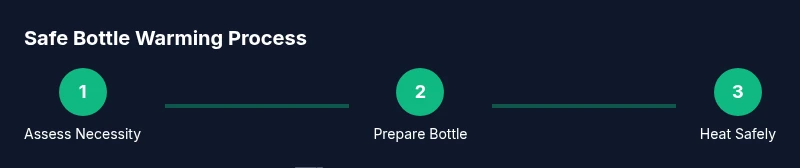
- 1
Assess necessity
Determine if heating is truly needed. If the baby is fed on schedule, consider alternatives like room-temperature milk or a store-bought bottle warmer. If you must heat, proceed with caution and follow the safety steps below.
Tip: If you can avoid heating, it reduces risk of hot spots and nutrient loss. - 2
Prepare the bottle
Remove the nipple before heating, ensure there is a venting mechanism, and check the bottle for cracks. This reduces pressure buildup and prevents leakage or breakage.
Tip: Always use a microwave-safe bottle and verify its condition before heating. - 3
Heat in short bursts
Place the bottle in the microwave and heat in very short cycles on the lowest setting. Pause between cycles to swirl the liquid and distribute heat evenly.
Tip: Do not heat the bottle fully; aim for warm-to-room-temperature liquid. - 4
Swirl to distribute heat
After each heating burst, swirl or shake gently to even out any hotspots. Avoid shaking vigorously, which can create air bubbles or compromises seal integrity.
Tip: Swirling helps distribute heat evenly without overheating one area. - 5
Test the temperature
Test the liquid temperature on your inner wrist or with a thermometer. Look for a comfortable, body-heat warmth—never hot to the touch.
Tip: If in doubt, wait a moment and re-test. - 6
Inspect bottle and nipple
Check for any signs of damage after heating. Replace damaged bottles or nipples before next use to prevent leaks or contamination.
Tip: Damaged components are a safety risk even if heating was gentle. - 7
Feed and monitor
Offer a small amount first to gauge temperature before feeding the baby. Observe for coughing or distress, which can indicate a hot spot.
Tip: If the baby shows signs of discomfort, pause feeding and re-check temperature. - 8
Clean promptly
Wash the bottle thoroughly after use using warm water and soap. Dry completely before next use to prevent bacterial growth.
Tip: Proper cleaning reduces bacterial risk and maintains bottle longevity. - 9
Store leftovers safely
If there’s any leftover warm milk, discard it promptly. Do not reheat the same milk multiple times.
Tip: Reheating increases risk of bacterial growth. - 10
Consider an alternative next time
If you frequently need to heat bottles, invest in a dedicated bottle warmer for safer, more consistent results.
Tip: A dedicated warmer reduces heating variability and improves safety. - 11
Travel-ready plan
For trips, pack a bottle warmer or use a vetted warm water method. Ensure you have access to a safe heating option wherever you go.
Tip: Plan ahead to avoid improvising unsafe heating methods. - 12
Review safety guidelines
Regularly review manufacturer guidelines for your bottle and formula. Stay updated on pediatric recommendations for warming practices.
Tip: Safety standards can evolve; check for updates.
Common Questions
Is it safe to microwave baby bottles?
Microwaving is generally discouraged due to uneven heating and potential hotspots that can burn a baby’s mouth. If you must heat, use a microwave-safe bottle, vent the cap, heat in short bursts, swirl to distribute heat, and always test the temperature before feeding.
Microwaving is usually not advised because it can heat unevenly and create hot spots. Use a safer warming method and test the temperature before feeding.
What are the risks of uneven heating in microwaves?
Uneven heating can create hot spots that burn delicate tissue in a baby’s mouth. It also can degrade some nutrients in formula or breast milk and may cause pressure buildup if the bottle is sealed.
Uneven heating can cause hot spots and nutrient loss, so be cautious and test the temperature.
What are safer alternatives to microwaving a bottle?
Safer options include using a bottle warmer, warming in a warm water bath, or under running warm water. Always test the temperature before feeding and ensure venting is open.
Bottle warmers or warm water baths are safer than microwaving; test the temperature before feeding.
How should I test the bottle's temperature?
Dab a few drops of milk on your inner wrist or use a thermometer to ensure body-temperature warmth. If it feels hot, continue cooling before feeding.
Test on your wrist; it should feel warm, not hot.
Can microwaving affect formula or breast milk nutrients?
Heat can affect some nutrients in formula and breast milk. Gentle warming methods help preserve nutrients better than rapid microwaving.
High heat can reduce some nutrients; gentle warming helps keep nutrition intact.
What signs indicate a damaged bottle after heating?
Look for cracks, warping, or bubbling seams after heating. If damage is visible, discard the bottle and replace it.
If you see any cracks or warping, throw the bottle away.
Watch Video
Main Points
- Avoid microwaving baby bottles when possible.
- If you must microwave, remove nipple and vent cap; heat briefly and swirl.
- Always test temperature on skin before feeding.
- Use microwave-safe, BPA-free bottles and inspect for damage after heating.
- Prefer bottle warmers or warm water baths for safer warming.