How to Microwave Formula Safely: A Practical Guide
Discover safe ways to heat infant formula, learn why microwaving is risky, and follow practical, step-by-step alternatives from Microwave Answers for baby-safe feeding.


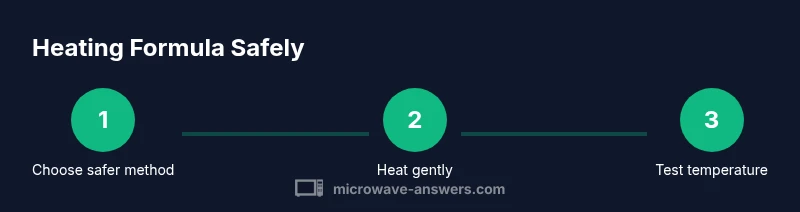
According to Microwave Answers, heating baby formula in the microwave is not recommended because it can create hot spots. To heat safely, use a bottle warmer or warm water bath, then swirl and test temperature before feeding. If microwave use is unavoidable, do short bursts and test the temp carefully.
Why microwaving formula is discouraged
Microwaving formula poses real risks that parents and caregivers should understand. Microwaves heat unevenly, which can result in hot pockets that could burn a baby’s mouth or throat. In addition, the container and bottle materials may heat differently than the liquid, leading to unpredictable temperatures. For many families, the safest practice is to warm formula using a bottle warmer or in a warm water bath, then gently swirl and test the temperature on your inner wrist before feeding. According to Microwave Answers, adopting safer warming methods reduces the likelihood of scald injuries and ensures a comfortable feeding experience for little ones. Always discard any formula left in the bottle after a feeding, as reheating can encourage bacterial growth.
Safer heating options: bottle warmers and warm-water baths with pre-warming guidelines
Bottle warmers provide controlled heating, avoiding the hot spots created by microwaves. An alternative is placing the bottle in a bowl or pot of warm water, gradually raising the temperature to body warmth. Pre-warming guidelines suggest warming the bottle to roughly body temperature and testing the liquid on your inner wrist. Use clean bottles and nipples, and maintain clean water sources to prevent contamination. When an electric bottle warmer is used, follow the device instructions and avoid overheating. The goal is consistent warmth, not boiling. If a warmer is unavailable, a warm water bath can be a safe substitute, provided water is not hotter than body temperature and the bottle is swirled thoroughly to distribute heat.
Reading formula labels and warming instructions
Formula types vary, and some are designed to be mixed with specific temperatures or water amounts. Always follow the label’s directions for preparation and warming. If the label instructs to mix with room-temperature water, avoid preheating formula or temperature extremes that could degrade nutrients. When in doubt, contact your pediatrician or the formula manufacturer for guidance. This helps ensure you’re aligning with current safety recommendations and maintaining the product’s nutrient integrity.
If you must microwave: minimizing risk without sacrificing safety
If you must heat formula in a microwave due to unique circumstances, use minimal exposure: heat in 5- to 10-second bursts, swirl or shake the bottle between intervals, and test the temperature before feeding. Do not allow the formula to reach boiling temperatures, and avoid using older or damaged bottles that may leak or warp in heat. Never microwave formula that has already been fed to the baby. These precautions help reduce hot spots and injury risk while preserving formula quality.
Leftovers, storage, and sanitation
Leftover formula should be discarded after a feeding. Do not refrigerate and reuse formula that has already been fed to the baby. If you prepare and refrigerate formula, use it within 24 hours and rewarm using a bottle warmer or warm water bath, testing carefully first. Regular sanitation of bottles, nipples, and surfaces helps prevent bacterial growth. When in doubt, err on the side of safety and contact a healthcare professional for personalized advice.
Common questions and quick troubleshooting
If you’re unsure whether your warming method is safe, compare the bottle’s temperature to body temperature by touching the bottle briefly against your inner wrist. If it feels warm but not hot, it’s likely safe for feeding. If you notice any odd odors, separation, or curdling after warming, discard and prepare a fresh bottle. Keeping a simple routine for warming reduces errors and keeps feeding predictable.
Choosing heating methods based on context
In most cases, a bottle warmer or warm water bath offers a safer, more reliable approach than microwaving. Busy families may find it convenient to pre-heat water for a few bottles at once, then re-check temperatures before feeding. Consistency and careful temperature checks are the keys to baby-safe warming, regardless of environment.
Pediatric guidance and staying up to date with safety recommendations
Always follow current pediatric safety guidance and product labels. Pediatric associations emphasize avoiding microwave heating for formula when possible, and new guidance may update best practices. Regularly review recommendations with your pediatrician to ensure you are following the most current, evidence-based advice for your child.
Tools & Materials
- Bottle warmer or warm-water bath setup(Electrical bottle warmer or a stable bowl of warm water)
- Digital kitchen thermometer(Used to verify formula temperature (aim ~ body temperature))
- Clean bottle and nipple(Ready for warming and feeding)
- Measuring cup or pitcher(For measuring clean water if mixing from powder)
- Spoon or swirl-stick(To swirl formula gently after warming)
- Timer or clock(To track short warming bursts if microwaving)
- Bottle brush and soap(For post-use cleaning)
Steps
Estimated time: 20-30 minutes
- 1
Prepare bottle and formula
Wash hands, assemble bottle, and measure formula per the label. Ensure clean water if reconstituting powder. This sets a safe baseline before warming.
Tip: Use clean equipment and accurate measurements to avoid concentration errors. - 2
Choose heating method
Decide between bottle warmer or warm-water bath. Ensure the device or water source is ready and at a comfortable warmth, not hot.
Tip: A gentle, controlled heat reduces hot spots. - 3
Heat using chosen method
If using a warmer, follow the device instructions. For water bath, submerge bottle and monitor temperature carefully until warm.
Tip: Never overheat; aim for body-temperature warmth. - 4
Swirl and test temperature
Swirl bottle to even out heat. Check temperature by placing a few drops on your inner wrist or using a thermometer.
Tip: Temperature should be warm but not hot. - 5
Feed or store safely
Feed immediately if at safe temperature. Do not microwave directly; discard any leftovers after feeding.
Tip: If not feeding right away, refrigerate promptly and use within 24 hours. - 6
Clean afterward
Disassemble bottle components and wash with soap and warm water. Dry completely before next use.
Tip: Sanitation reduces bacterial risk.
Common Questions
Is it safe to microwave infant formula?
Microwaving can cause uneven heating and hot spots. Most pediatric guidance recommends warming formula using a bottle warmer or warm water bath.
Microwaving formula can create hot spots, so warming with a bottle warmer or warm water is usually safer.
What temperature should warmed formula be?
Warmed formula should be roughly body temperature, tested on the wrist before feeding.
Aim for body temperature and test on your wrist.
How long can prepared formula be stored?
Keep prepared formula refrigerated and use within 24 hours; never reuse formula that has already been fed to the baby.
Refrigerate promptly and use within 24 hours.
What should I do if the formula feels hot?
If it’s hot, swirl, test, and cool in a bath of lukewarm water before feeding. Do not blow on or test with a cold substance.
Swirl and test on the wrist; if hot, cool slightly before feeding.
Can I use microwave-safe bottles?
Always follow bottle manufacturer guidelines; however, microwaving is generally discouraged for heating formula.
Follow bottle guidelines, but avoid microwaving.
Watch Video
Main Points
- Avoid microwaving formula due to hot spots
- Use a bottle warmer or warm-water bath
- Always test the formula temperature before feeding
- Discard leftovers after feeding
- Keep bottles and equipment clean to prevent bacteria