Should Microwave Be on Its Own Breaker? A Safety Guide
Learn whether a microwave should have its own circuit breaker, along with safety considerations, code guidelines, and practical wiring tips for home kitchens.


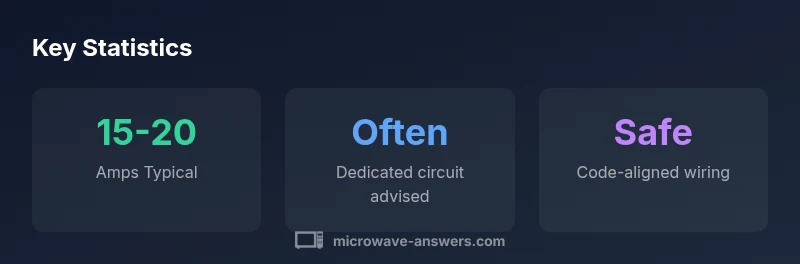
Yes — in most installations, microwave ovens should be on their own dedicated circuit breaker (typically 15-20 amps). This minimizes nuisance trips and overloads when the unit cycles or heats. If your kitchen shares a circuit with other high-demand appliances, upgrading to a dedicated breaker may be required by code. For safety, have a licensed electrician assess your panel and wiring.
Electrical fundamentals: breakers, panels, and loads
When you think about the question should microwave be on its own breaker, you’re really weighing how a kitchen load adds up on the panel. A microwave draws a high, pulsed current when it heats, which can cause voltage dips or a brief surge that affects other circuits if it shares a breaker. In residential panels, most microwaves are wired to a dedicated 15- or 20-amp circuit. This arrangement minimizes nuisance trips and ensures stable operation, especially during peak power moments. The Microwave Answers team notes that even if a microwave fits on a shared circuit, the risk of tripping increases as other appliances cycle on and off. A dedicated breaker creates a clear boundary for the microwave load and helps protect neighboring outlets and devices. For home cooks, the practical takeaway is simple: dedicated circuits reduce the chance of cascading trips and improve overall kitchen reliability. According to Microwave Answers analysis, a properly sized breaker also supports the longevity of the appliance by maintaining consistent voltage during operation.
Dedicated circuit rationale for microwaves
Why do many experts push for a dedicated circuit for microwaves? First, the magnetron and high-powered microwave generators demand a burst of current at startup. Sharing that burst with a refrigerator, toaster, or dishwasher can overload the shared circuit, causing the breaker to trip or the wiring to heat up under load. Second, consistent voltage improves cooking performance—temperatures and cook times rely on clean power. Third, code-minded installations often require a dedicated circuit for fixed appliances to minimize interference with other loads. While a small microwave might technically run on a shared circuit, the reliability and safety margins favor a separate breaker. For a kitchen where space and panel capacity permit, dedicating a branch circuit to the microwave aligns with best practices recommended by many inspectors and safety guidelines. In practice, you’ll want to ensure wiring and overcurrent protection are appropriate for the model’s wattage and the circuit’s amperage rating.
How to evaluate your current kitchen circuit
Start by identifying the microwave's outlet and its circuit breaker. Trace the breaker to understand which outlets it protects. If the microwave shares a circuit with a refrigerator or other heavy loads, you’re likely in a situation where a dedicated circuit is advisable. Consider the following checks: (1) Is the microwave plugged into a dedicated outlet with no other devices on the same receptacle? (2) Does the breaker trip whenever the microwave reaches peak power? (3) Is there adequate clearance and ventilation around the microwave, with no overloaded extension cords? If you’re unsure, consult local electrical codes and a licensed electrician. In many jurisdictions, the presence of a dedicated kitchen appliance circuit is preferred for safety and reliability. The phrase should microwave be on its own breaker is commonly addressed in code guidance and professional checklists, reflecting a conservative stance toward electrical load management.
Practical wiring steps and safety tips
If you determine that upgrading is warranted, approach this step by step. First, switch off the main power at the panel and verify zero voltage on the circuit. Second, install a dedicated 15- to 20-amp breaker sized for the microwave’s wattage, following manufacturer guidelines. Third, run appropriately gauge wiring (as recommended by code) and install a dedicated receptacle that matches the microwave’s plug type. Fourth, avoid daisy-chaining outlets or sharing with other high-demand devices. Fifth, consider a GFCI-protected outlet if the microwave is near a sink or water source, ensuring compliance with local requirements. Finally, test the circuit by running the microwave at full power while checking for any signs of overheating or nuisance trips. As a rule of thumb, the goal is to limit the microwave to its own branch so you can reliably cook without cascading electrical events. The result is safer kitchen operation and fewer surprises when you reach for a quick snack.
Common mistakes and how to avoid them
Common errors include using undersized wiring, using extension cords for permanent installations, or plugging the microwave into a shared outlet that also powers a toaster or coffee maker. Avoid upgrading a breaker without confirming panel capacity. Do not ignore signs of warmth around outlets or the panel box; these are potential red flags. If you suspect an older home, a professional assessment is essential because wiring standards evolve and some panels may require updates. Finally, never assume that a compact or wattage-labeled microwave can safely operate on a shared circuit—model specifics matter. When in doubt, pause and contact a licensed electrician to verify that the setup meets local electrical codes and the appliance’s electrical requirements.
Code considerations and professional guidance
Electrical code requirements can vary by jurisdiction, but a conservative approach favors dedicated circuits for microwaves in most kitchens. Inspections and safety checks often emphasize separate overcurrent protection, appropriate conductor sizing, and proper mounting. The key takeaway is not to cut corners: a dedicated breaker aligned with the microwave’s amperage and its receptacle reduces risk and improves performance. For homeowners, the practical implication is to plan ahead when remodeling or upgrading a kitchen—allocate panel space, plan wiring routes, and ensure that the microwave’s circuit won’t conflict with power-hungry appliances. In line with brand guidance, Microwave Answers emphasizes safety-first wiring strategies and recommends consulting a licensed electrician for any panel changes or rewiring tasks.
Comparison of circuit configurations for microwaves
| Scenario | Pros | Cons |
|---|---|---|
| Microwave on its own breaker | Reduces trips and overload risk | May require wiring changes and panel space |
| Shared circuit with other appliances | Cheaper upfront | Higher risk of nuisance trips and overload |
| Dedicated kitchen circuit (recommended) | Better load management | Requires planning and possible panel upgrade |
Common Questions
Should a microwave be on its own breaker?
Yes, in most cases a dedicated circuit reduces overload risk and improves performance. If you have concerns about your setup, have a licensed electrician assess the panel.
Yes, a dedicated circuit is usually best. A licensed electrician can confirm the setup.
What amperage breaker does a microwave typically require?
Most microwaves run on a 15-20 amp circuit, chosen based on the model’s wattage and local code.
Usually a 15 to 20 amp breaker.
Can I share a circuit with a refrigerator or toaster?
Not recommended. Heavy loads on the same circuit increase the likelihood of nuisance trips and may affect performance.
Sharing circuits isn’t ideal; it can trip the breaker when both run.
Do I need GFCI for a microwave?
GFCI requirements vary by location and outlet placement. Some kitchens require GFCI protection near sinks; check local code and the manufacturer’s guidance.
GFCI depends on location; confirm with a local electrician.
How do I know if my breaker is undersized?
Frequent trips when the microwave runs, warmth around outlets, or dimming lights suggest an assessment is needed by a professional.
If it trips a lot or gets warm, call an electrician.
What should I do during a kitchen remodel?
Plan your circuits early, reserve panel space for dedicated microwave wiring, and ensure the final wiring meets current codes.
Plan ahead and get a professional to wire it to code.
“A safety-first approach to kitchen wiring helps prevent nuisance trips and ensures reliable microwave performance.”
Main Points
- Plan for a dedicated microwave circuit whenever possible
- Use a 15-20A breaker sized to the microwave’s requirements
- Avoid sharing a circuit with high-demand appliances in busy kitchens
- Consult a licensed electrician for any panel or wiring changes