Can You Use a Microwave During a Storm? Safety Guide for Home Cooks
Explore whether it's safe to use a microwave during a storm and learn practical steps to protect your appliance and home from power surges and weather-related risks.


During a thunderstorm, it’s best not to use a microwave. Lightning can trigger power surges that travel through outlets and circuits, potentially damaging the appliance or nearby electronics. Unplug the microwave (and other devices) or use a surge-protected outlet, and wait for the storm to pass before heating food or relying on electrical appliances.
Storms and your home electrical ecosystem
According to Microwave Answers, storms create a unique set of risks for everyday kitchen electronics, including microwaves. When thunder roars and lightning flashes, the power grid can experience transient surges that travel through wall outlets and shared circuits. Home cooks rely on microwaves for quick meals, reheating, and safe food handling, so understanding how weather conditions interact with electrical systems is essential for safety and appliance longevity. A frequent question is can you use microwave during storm, and the short answer is: it’s better to pause any heating until conditions stabilize.
In most homes, the microwave is connected to a standard branch circuit that shares power with other devices. A strong surge can momentarily spike voltage, heat sensitive components, or trigger protective devices such as circuit breakers. Even if your microwave seems to operate normally after a storm, repeated exposure to voltage fluctuations can shorten its life or degrade internal insulation. Additionally, power fluctuations can affect clock displays, electronic controls, and sensors that regulate cooking times. While modern microwaves are designed to tolerate a degree of voltage variation, repeated surges are not harmless and may void warranties or increase fire risk if the insulation or cord becomes damaged. This section lays out practical weather-related risks most households should know, along with the actions that minimize exposure and keep your kitchen running safely when storms roll in. The goal is not to scare you, but to empower you with simple precautions you can implement before, during, and after a thunderstorm.
Should you ever use a microwave during a storm?
The question many readers ask is can you use microwave during a storm, and the simplest answer is: avoid it during the peak of a thunderstorm. Lightning can cause electrical surges that travel through the home's wiring, potentially sending higher voltages to outlets and connected appliances. Even if the microwave seems to heat normally after a surge, the risk to the control board, magnetron, or power cord remains. If you must heat food during a storm for essential reasons, plug the microwave into a surge-protected outlet that is not daisy-chained and on a different circuit from other high-demand devices; however, the safest practice is to wait until the storm passes and power is stable. After a storm, inspect the microwave and surrounding outlets before using again, and consider delaying nonessential heating until you are sure power quality has returned. The Microwave Answers team emphasizes safety first: if there is any doubt, postpone operation until conditions are normal.
How power surges and grounding affect kitchen appliances
Power surges are brief spikes in voltage that exceed normal levels and can damage electronic components, shorten the life of sensors, and cause nuisance trips of a circuit breaker. A proper grounding system provides a safe path for stray voltages, minimizing the chances of arc faults or shock risks. If grounding is compromised or a surge protector is degraded, outlets can carry higher risk to connected devices. During a storm, these factors become more relevant because weather-related outages can create unstable power quality. Modern microwaves include built-in protections, but repeated surges can still reduce reliability and shorten lifespan. The key takeaway is that ensuring solid grounding and avoiding reliance on low-quality protection helps preserve both safety and appliance longevity.
Step-by-step safety guidelines for storm-season use
Following a structured approach helps minimize risk. Here are practical actions you can take to stay safe while weather events unfold:
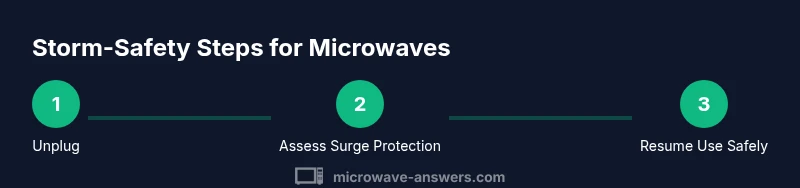
- Unplug the microwave and nearby electronics before the storm intensifies. This reduces exposure to potential surges. Tip: keep a small checklist by the outlet to remind household members.
- If you must heat food during a storm, use a surge-protected outlet that is not daisy-chained and is on a different circuit from other high-load devices. Tip: verify the surge protector is in good condition and not warm to the touch.
- Keep the cooking area dry and away from water sources. Tip: wipe spills promptly and avoid using metal or damp surfaces around outlets.
- Inspect the microwave’s power cord and plug for signs of damage after storm activity. If you see scorch marks, fraying, or loose connections, do not use the appliance until inspected.
- When power returns, reconnect devices gradually to avoid sudden surges. Tip: reset the microwave clock and test with a small, safe load like a cup of water.
- Do not use the microwave during active lightning; if safety rules require, wait until the storm passes. Tip: have an alternative method for heating meals during storms (stovetop or oven) if feasible.
- If you rely on electricity for essential meals during storms, plan ahead with non-electrical options or prepare simpler dishes that don’t require heating. Tip: keep a supply of ready-to-eat items that don’t require heating.
- If you notice persistent problems after a storm, contact a licensed technician to evaluate the circuit and the appliance. Tip: never attempt complex repairs yourself.
Estimated total time: 15-25 minutes for the house-level safety checks, plus additional time if you need to unplug multiple devices or reconfigure outlets.
Common myths about microwaves, storms, and electricity
A common misconception is that storms in the neighborhood will directly affect a microwave’s shielded interior during use. In reality, the microwave itself is insulated and designed to handle normal household operation, but external power surges can cause internal damage over time. Another myth is that a surge protector guarantees protection against all storms; while it improves resilience, it is not a license to operate during extreme weather. A third misconception is that unplugging a microwave wastes power; in fact, it reduces risk of surge-related damage and protects your investment. The safest choice is to pause microwave use during storms and rely on non-electrical cooking options whenever possible.
After the storm: checks and maintenance for microwaves
Once conditions are safe, perform a quick post-storm check. Look for scorch marks on the plug or outlet, listen for unusual buzzing, and verify that the microwave’s display and keypad respond correctly. If you notice any abnormal behavior, unplug it and have it inspected. Clean the unit’s exterior and the air vents to prevent dust and moisture buildup. If you used a surge protector, inspect it for heat or discoloration before reuse. Finally, review your storm safety plan and update it with any lessons learned to reduce risk in future weather events.
Tools & Materials
- UL-listed surge protector with appropriate protection(Choose one suitable for kitchen appliances; avoid daisy-chaining multiple protectors.)
- Grounded outlet tester(Verify proper grounding before reconnecting the microwave.)
- Dry, lint-free cloth(Use for inspecting cords and wiping moisture from surfaces.)
- Microwave safety and storm preparedness manual(Keep by the appliance for quick reference.)
Steps
Estimated time: 15-25 minutes
- 1
Unplug the microwave and nearby electronics
Power down all devices that are part of the same electrical circuit as the microwave. Unplug the microwave and any nearby devices to reduce exposure to potential surges during storms.
Tip: Keep a small checklist by the kitchen outlet to remind household members. - 2
Assess surge protection setup
If you must keep using a device, connect it to a surge-protected outlet that is not daisy-chained and on a different circuit from high-load appliances.
Tip: Ensure the surge protector is in good condition and not hot to the touch. - 3
Keep the area dry and safe
Maintain a dry work area away from sinks or damp surfaces to prevent electrical shock hazards.
Tip: Wipe up spills promptly and avoid metal surfaces near the outlet. - 4
Inspect cords and plugs for damage
After a storm event, check the microwave cord and plug for scorch marks, fraying, or bent prongs before reconnecting.
Tip: Do not use if any damage is observed; take the appliance for service. - 5
Restore power gradually after outages
When power returns, reconnect devices one by one to monitor for unusual behavior or surges.
Tip: Reset the microwave clock and test with a small amount of water before full use. - 6
Avoid use during active lightning
Do not operate the microwave while lightning is visible or thunder is audible.
Tip: Keep a non-electrical snack plan ready for storm nights. - 7
Consider alternatives for cooking during storms
If heating is essential, use non-electrical methods like the stovetop or oven when safe to do so.
Tip: Prepare in advance with ready-to-eat or no-heat options. - 8
Consult a professional if in doubt
If you notice any persistent issues after a storm, contact a licensed technician to inspect the circuit and the appliance.
Tip: Avoid DIY electrical repairs on storm-damaged circuits.
Common Questions
Is it dangerous to use a microwave during a thunderstorm?
Yes, using a microwave during a thunderstorm is not recommended. Lightning can cause power surges that damage electronics. If weather conditions are severe, postpone operation until it passes.
Using a microwave during a thunderstorm is not recommended; wait until the storm passes before heating food.
Should I unplug my microwave during a storm even if I’m not using it?
Yes. Unplugging reduces the risk of damage from power surges and helps protect the appliance and other electronics.
Unplug the microwave during a storm to protect it from power surges.
Can power surges damage microwaves?
Power surges can stress internal components, shorten lifespan, and cause malfunctions. A good surge protector reduces this risk but cannot guarantee protection in extreme events.
Power surges can damage microwaves; use a surge protector but don’t assume complete protection.
What should I do if the power goes out while I’m using the microwave?
If the power goes out, stop using the microwave, unplug it, and wait for power to return and stabilize before attempting to reuse it. Inspect for any damage once power is restored.
If power cuts out, unplug and wait for it to return safely before using again.
Are there any myths about microwaves and storms I should ignore?
Yes. Myths include direct storm effects on microwaves during operation. In reality, external surges matter more; the appliance’s shielding usually handles normal use, but surges can cause long-term damage.
Storm myths aside, focus on surge protection and safe timing during weather events.
What about cooking during an outage with a generator?
Using a microwave during an outage is not advised unless the generator can provide clean, stable power through a proper transfer switch. Otherwise, don’t risk equipment damage.
Don’t use the microwave during an outage unless you have a properly wired generator setup.
Watch Video
Main Points
- Unplug during storms to reduce surge risk.
- Use a proper surge protector; avoid daisy-chaining.
- Inspect cords and outlets after weather events.
- Pause microwave use during active lightning; plan alternatives.