Can You Thaw Chicken in the Microwave? Safe Methods and Tips
Learn how to thaw chicken safely in the microwave with practical steps, safety tips, and best practices from Microwave Answers.


Yes, you can thaw chicken in the microwave, but it must be done with care. Use the defrost setting or low power, rotate the pieces, and check frequently to avoid partial cooking. Plan to cook immediately after thawing, and never refreeze thawed chicken.
Why thawing chicken in the microwave is convenient but requires care
If you’re short on time, thawing chicken in the microwave is a viable option. The key is to minimize the window where bacteria can multiply by defrosting quickly and cooking promptly. According to Microwave Answers, defrosting poultry safely hinges on following the appliance’s defrost settings and not leaving exposed meat at room temperature after thawing. While the microwave speeds up thawing, it can also heat unevenly, creating warm spots where bacteria survive. This is why immediate cooking after defrost is essential and why this method is not a good choice if you don’t plan to cook right away.
Another consideration is the meat’s thickness. Thin cuts thaw more evenly, while bone-in pieces and thicker portions may begin to cook on the outside before the inside thaws. Packaging also matters: remove any foam trays that can trap condensation and place the chicken on a microwave-safe plate to catch drips. With careful steps, you can reduce risk and still get dinner on the table quickly.
Safe defrost settings and microwave temp ranges
Most modern microwaves offer a defrost mode or a low power setting (often 30–50% power). The goal is to melt ice without cooking the meat. If your microwave doesn’t have a defrost option, use a low power setting and pause every 1–2 minutes to rearrange pieces. Time will depend on weight and cut: smaller boneless breasts thaw faster than bone-in thighs or a whole chicken. Always aim to thaw in short bursts and check the internal surface temperature at several points to ensure no part begins cooking. After thawing, the meat should be cooked immediately to prevent any bacterial growth that could occur in the warm zones created during defrosting.
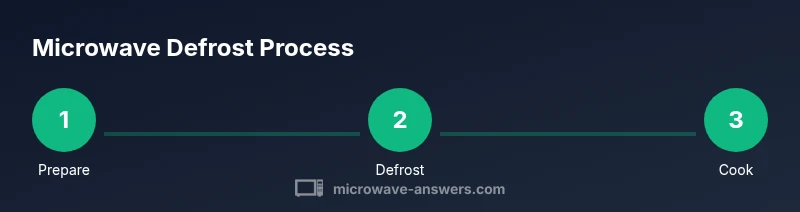
Step-by-step method for thawing chicken in the microwave
A clear method helps ensure safety and consistency. Start with properly prepared pieces, use the right container, and monitor progress closely. If you notice any cooking starting on the outside, pause, rotate, and separate pieces to expose colder areas to the warm air evenly. Avoid covering the meat with tight plastic wrap during thawing, which can trap steam and lead to uneven thawing. The objective is to reach a pliable, evenly thawed state—never partially cook and then refrigerate. Remember, thawed chicken should be cooked immediately.
Handling thawed chicken safely and cooking immediately
Once thawed, handle the chicken with clean hands or gloves, and cook it promptly. Cooking to a safe internal temperature (165°F or 74°C in the thickest part) eliminates any remaining pathogens. Use a calibrated food thermometer to verify doneness, and allow for carryover cooking in a hot pan or oven. Do not store thawed poultry at room temperature and avoid leaving it out for more than two hours. If you must marinate, do so briefly and refrigerate any leftovers promptly after cooking.
Common mistakes and how to avoid them
Common mistakes include using higher power than needed, leaving meat to thaw unevenly, and assuming room-temperature thawing is safe. To minimize risk, always use short defrost intervals, rearrange pieces, and check for icy or partially thawed areas. Never rely on microwave thawing for large frozen joints without cooking immediately afterward. Clean all surfaces and utensils right after handling raw poultry to prevent cross-contamination.
Thawing strategies: smaller pieces vs whole chicken and from frozen
Smaller cuts like boneless breasts thaw more evenly and quickly than bone-in pieces. For a whole chicken, consider thawing only if you plan to cook immediately post-defrost; otherwise, refrigerator thawing is safer. If you’re thawing from a frozen block, break off portions as soon as you can safely handle them and continue defrosting in short bursts. The goal is a safe, even thaw with no warm pockets where bacteria can thrive.
AUTHORITY SOURCES
For safety guidelines, consult official sources such as the USDA FSIS defrosting guidance, FDA food safety standards, and CDC food safety information. These resources emphasize cooking thawed poultry promptly and avoiding the refreezing of partially thawed meat to prevent bacterial growth. See the references below for more details.
Tools & Materials
- Microwave with defrost setting(Ensure it has adjustable power levels and a defrost option)
- Microwave-safe dish or plate(Shallow to catch drips; avoid deep containers)
- Food thermometer(To verify doneness after thawing/cooking (165°F/74°C))
- Kitchen timer or smartphone timer(Help track short defrost intervals)
- Paper towels or microwave-safe wrap(Blot moisture and prevent soggy leftovers)
- Separate utensils for raw poultry(Prevent cross-contamination)
Steps
Estimated time: 25-40 minutes
- 1
Prepare chicken portions
Remove chicken from its packaging and place on a microwave-safe plate. If pieces vary in size, separate the smaller pieces to promote even thawing. Pat excess frost with paper towels if needed to ensure more even heat transfer.
Tip: Small, uniform pieces thaw more evenly; consider cutting larger pieces before thawing. - 2
Set the microwave to defrost
Choose the defrost setting or set to the lowest practical power (around 30–50%). If your microwave lacks a defrost option, use a low power setting and pause often to rearrange.
Tip: Defrost in short bursts to monitor progress and prevent partial cooking. - 3
Start thawing with short intervals
Run the microwave for 1–2 minutes, then pause to check progress. Rotate or flip pieces to expose all sides to thaw evenly.
Tip: If edges start to warm, lower the power or shorten the interval to avoid cooking. - 4
Check for icy or partially thawed areas
Inspect each piece; if some areas remain solid, continue short bursts and rearrange until the majority is thawed.
Tip: Aim for pliable, not warm or cooked, areas; use a thermometer to confirm temperature before cooking if needed. - 5
Cook immediately after thawing
Once thawed, proceed to cooking right away. Do not refrigerate thawed poultry that was thawed in the microwave.
Tip: Cooking immediately minimizes the time bacteria could grow in warm spots. - 6
Verify doneness
Cook until the internal temperature reaches 165°F (74°C) in the thickest part. Use a food thermometer for accuracy.
Tip: Check multiple locations on thicker pieces to ensure even doneness. - 7
Clean up and sanitize
Wash hands, utensils, and surfaces that touched raw poultry with hot, soapy water. Sanitize the microwave cavity if any juices were released.
Tip: Sanitation reduces cross-contamination risk for future meals.
Common Questions
Is it safe to thaw chicken in the microwave?
Yes, it is safe when you use the defrost setting, monitor progress, and cook immediately after thawing to avoid bacterial growth.
Yes, it’s safe if you use the defrost setting and cook right away after thawing.
Can I thaw frozen chicken breasts or a whole chicken in the microwave?
Yes, both can be thawed in a microwave, but whole chickens thaw unevenly and require careful monitoring and immediate cooking.
Yes, you can thaw both, but whole chickens need extra attention and should be cooked immediately.
Should I rinse chicken after thawing in the microwave?
Rinsing raw poultry can spread bacteria through splashes. Do not rinse; instead, cook promptly and sanitize surfaces afterward.
No, don’t rinse. Cooking right away and cleaning up afterward is safer.
Can I refreeze thawed chicken if it was thawed in the microwave?
No. Thawed poultry that has been microwaved should be cooked right away and not refrozen.
No, you should not refreeze thawed chicken that was defrosted in the microwave.
What internal temperature proves chicken is safe to eat after thawing?
Cook until the internal temperature hits 165°F (74°C) in the thickest part of the meat.
Aim for 165 degrees Fahrenheit in the thickest part.
What if some parts thaw faster than others?
Pause, rotate, and separate pieces to expose all surfaces to thawing heat evenly.
Pause and rotate the pieces so thawing is even.
Watch Video
Main Points
- Use defrost or low power; avoid high heat during thaw.
- Cook thawed chicken immediately; do not refreeze partially thawed meat.
- Rotate and rearrange during defrost for even thawing.
- Verify doneness with a thermometer to 165°F (74°C).
- Practice strict sanitation before and after handling raw poultry.