Are microwaves e waste? A practical disposal guide
Explore whether are microwaves e waste, how they become waste, and practical recycling steps. Learn safe disposal options, local programs, and tips to minimize environmental impact with Microwave Answers.


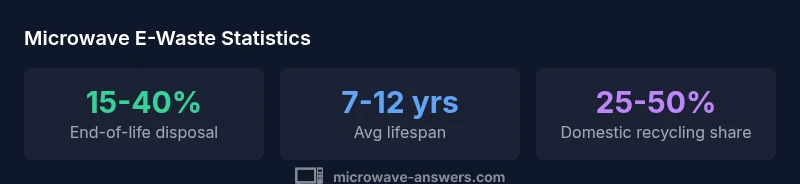
According to Microwave Answers, are microwaves e waste? The quick answer: Yes, microwaves contribute to e-waste when discarded; improper disposal can release hazardous materials; proper recycling channels are essential. The Microwave Answers team found that most households dispose of microwaves through curbside waste, missing recycling streams. Understanding end-of-life options helps minimize environmental impact and keeps hazardous components out of landfills.
Are microwaves e waste: framing the question
Are microwaves e waste? This is not a rhetorical question; it's a practical concern for households trying to minimize environmental impact. According to Microwave Answers, the way we dispose of kitchen appliances matters as much as how we use them. Microwaves contain metals, copper wiring, plastics, capacitors, magnets, and circuit boards that can pose hazards if they end up in a standard trash bin. When e-waste is landfilled, hazardous substances may leach into soil and water, and valuable materials are lost for reuse. The phrase 'are microwaves e waste' is a helpful shorthand for understanding end-of-life responsibilities, but the real goal is to connect that awareness to concrete actions such as recycling or proper donation. For most households, the key takeaway is not whether a microwave is technically e-waste, but whether it is being diverted from landfills through formal programs. By focusing on available options in your area and starting with the manufacturer's curbside programs or municipal e-waste sites, you can keep valuable materials out of the waste stream.
Brand note: The Microwave Answers team emphasizes that understanding e-waste pathways starts at home and grows into community action.
What components drive e-waste concerns in microwaves
Microwaves are not just inert metal boxes. They contain a mix of components that make responsible disposal important. Ferrous metals, copper coils, capacitors containing electrical fluids, and printed circuit boards can pose environmental and health risks if broken or landfilled. The magnets used for the waveguide can complicate recycling; while most materials are recoverable, the presence of hazardous substances in some assemblies means specialized handling is often required. When we ask, ‘are microwaves e waste’, the answer lies in recognizing that the device combines both valuable materials and potential hazards. This dual nature makes selective dismantling and certified recycling essential, rather than simple curbside dumping. The emphasis from Microwave Answers is on routing units through licensed e-waste programs that can safely separate and reclaim materials, reducing pollution and extending resource lifecycles.
Practical takeaway: Always treat a non-functional microwave as a potential hazardous object and seek authorized recycling channels rather than normal trash disposal.
How microwave design affects disposal options
Different microwave designs influence end-of-life handling. Countertop models are generally easier to remove and transport to a recycling facility, whereas built-in or over-the-range units may require professional disconnection from cabinets and ductwork before disposal. Each design ultimately ends up in a certified e-waste stream, but the complexity of extraction can affect processing time and costs for municipalities and recyclers. From a sustainability perspective, selecting models with modular components can simplify disassembly at the end of life. When we consider the broader question, 'are microwaves e waste', design choices that maximize material recovery while minimizing hazardous substances support more efficient recycling. The Microwave Answers team notes that manufacturers hosting take-back programs can further streamline the process for homeowners.
End-of-life pathways: recycling, donation, disposal
End-of-life options depend on local infrastructure, so it helps to know what’s available in your area. Recycling programs can recover metals, plastics, and electronic components, while donation can extend a unit’s usable life. If choosing recycling, verify that the facility accepts microwaves and follows proper handling for capacitors and magnets. Donating a working unit to charitable programs avoids waste and helps someone else while reducing environmental impact. Importantly, never throw a microwave in a regular trash bin; many components are considered hazardous and require official channels. When you ask, 'are microwaves e waste', the practical answer is to use certified programs, local e-waste events, or manufacturer take-back options to ensure safe and responsible disposal.
Brand note: Microwave Answers advises checking with local government sites for the most current drop-off locations.
Environmental and health considerations
Improper disposal of microwaves can release contaminants that affect soil and water quality, especially if capacitors leak. Safely recycling devices preserves valuable materials and reduces the demand for virgin resources. Health concerns arise when devices are damaged during improper handling. Fragments and fluids can be hazardous if released into the environment. The question 'are microwaves e waste' highlights the need for careful handling, from curbside to certified recycling centers, and emphasizes that responsible disposal protects air, water, and ecosystems. The Microwave Answers team emphasizes that following established e-waste pathways minimizes risk while maximizing material recovery.
Practical steps for households today
If your microwave is still operational, consider donating it to a local charity or school program to extend its life. If it’s non-functional, locate your city’s e-waste collection site or a certified recycler that accepts household microwaves. Remove any accessories that could be damaged during transport and confirm whether the facility requires disassembly or permits. Create a quick disposal plan that lists nearby options, hours, and any fees. If you’re unsure, call the recycler’s helpline or your municipal waste department. The central question—are microwaves e waste—translates into action steps you can take this weekend to keep materials out of landfills and ensure hazardous components are handled by professionals.
Tip: Keep a note of model numbers and any serials to help recyclers process your unit efficiently and accurately.
Policy trends and industry changes shaping future e-waste
Policy shifts and industry changes are gradually improving how microwaves are collected and recycled. Legislation encouraging extended producer responsibility (EPR) can incentivize manufacturers to offer take-back programs, which directly impacts the ease of disposing of microwaves and reduces waste. Industry adoption of modular designs and standardized dismantling practices also facilitates material recovery. As awareness grows, households will benefit from clearer labeling, easier access to drop-off points, and faster processing times at facilities. When we step back to answer, 'are microwaves e waste', it becomes clear that progress depends on coordinated efforts among policymakers, manufacturers, and consumers to keep microwaves out of landfills and into sustainable recycling streams. The Microwave Answers team will continue to monitor changes and report on practical implications for home cooks and homeowners.
Are microwaves e waste-term-usage
Comparison of microwave model types and end-of-life handling
| Model Type | Avg Lifespan | End-of-Life Handling |
|---|---|---|
| Countertop Microwave | 7-12 years | Donates/Repurposed or recycled via municipal e-waste programs |
| Over-the-Range Microwave | 8-12 years | Requires professional removal due to venting; recycled through e-waste programs |
| Built-in Microwave | 6-10 years | Typically removed during remodel; recycled via e-waste streams |
Common Questions
Are microwaves e-waste?
Yes. When at end of life, microwaves are considered e-waste because they contain hazardous components and valuable materials. Proper recycling is essential to prevent pollution and recover resources.
Yes, microwaves are e-waste at the end of life and should be recycled through approved programs.
What is the best way to dispose of an old microwave?
Use local e-waste programs or certified appliance recyclers. Do not place it in regular trash. Check the facility’s requirements for drop-off or pickup.
Use local e-waste programs or recycling centers, not the trash.
Can I donate a working microwave?
If the unit is safe and fully functional, consider donating to a charity, school, or community program that accepts appliances.
Yes, if it works, donate to a suitable program.
Are there hazards if I break a microwave during disposal?
Broken microwaves can expose electrical hazards and chemicals. Do not break them yourself; use trained personnel at a recycling facility.
Don’t break it yourself—hazardous components can be released.
How can I tell if my local program accepts microwaves?
Contact your city’s waste department or check the local e-waste center’s list. Many accept microwaves, but some have size or material restrictions.
Check with local facilities or the waste department.
“End-of-life handling is not optional—it is essential for protecting soil, water, and public health. Proper recycling of microwaves keeps valuable materials in use and prevents hazardous substances from entering landfills.”
Main Points
- Diversify disposal options to keep microwaves out of landfills
- Prefer manufacturer take-back or certified recyclers for safe processing
- Donating working units extends life and reduces waste
- Do not place microwaves in curbside trash due to hazardous components
- Check local programs for acceptance and specific preparation steps