Can You Microwave Any Food? A Practical Guide to Safe Heating
Explore whether you can microwave any food, with safety guidelines, best practices, and practical tips from Microwave Answers to heat a wide range of foods safely.


Can you microwave any food? In short, no. Most common foods heat safely in a microwave, but some items pose risks or quality problems. Foods with shells, raw eggs, whole potatoes, or sealed containers can explode; dense proteins and fatty foods may heat unevenly; metals and foil are unsafe. Always use microwave-safe containers and vented covers.
Can you microwave any food? The practical reality
In home kitchens today, the question often is can you microwave any food. The quick, practical answer is no—while microwaves are incredibly convenient for reheating and cooking many items, there are clear safety limits and quality considerations. According to Microwave Answers, understanding these limits helps you avoid kitchen mishaps and achieve better taste and texture. This section lays out what foods generally heat well, which ones demand caution, and how to decide if a task is best done by another cooking method. By knowing the boundary jobs, you’ll maximize safety and minimize waste. Think of microwaving as a versatile tool for certain tasks, not a universal solution for every dish.
In everyday cooking terms, the microwave excels at heating foods that release moisture evenly and do not contain hard shells or sealed packaging. It’s also great for reheating leftovers, steaming vegetables, and melting ingredients like butter or chocolate. Yet when you try to heat foods with stubborn textures, strong fats, or packed-in sauces, you’ll often encounter uneven heating or soggy results. The key is to assess moisture distribution, density, and packaging before you press start.
Throughout this guide, you’ll see practical, step-by-step advice rooted in common-sense safety and tested kitchen practice. The guidance here is designed for home cooks who want reliable, actionable tips, not abstract theory. By the end, you’ll know which foods are safe to microwave, how to do it correctly, and when to choose another method for optimal results. The content here reflects a synthesis of general best practices used by home kitchens worldwide, with input informed by Microwave Answers’ 2026 analysis of microwave safety and performance.
Why some foods resist microwaving or require caution
Microwaving is a physics-enabled heating method that relies on water molecules absorbing microwave energy. Foods with uneven moisture, dense cores, or rigid shells heat differently, which can cause safety issues or uneven cooking. Eggs in shells, whole potatoes, or fruit with seeds can pose bursting risks due to steam buildup. Sealed containers trap steam and can lead to pressure release or container distortion. Foods with high fat content can heat rapidly on the outside while staying cool inside, creating uneven textures and potential burns when eaten. Metals or metal trims reflect microwaves and can spark, damaging the oven and posing a fire risk. Finally, foods with non-microwave-safe packaging—some takeout containers or metal-laminated wrappers—must be avoided. In short, the key safety principle is to avoid anything that can trap steam, create pressure, or ignite, and to respect container guidelines. Microwave Answers’ guidance emphasizes choosing safe, ventilated containers and avoiding anything that blocks steam or conducts heat unevenly.
How microwaves heat and what that means for different textures
Microwave heating is not a uniform process. Water molecules in food absorb energy and vibrate, generating heat that moves from the center outward, but this process is interrupted by food structure, fat content, and moisture pockets. This is why some foods heat from the outside in or develop hotspots. Even heating is more likely when you break large portions into smaller pieces, stir or rotate during cooking, and rest the food briefly after heating. As a practical rule, foods with uniform moisture—like soups, sauces, and mashed items—tend to heat more evenly than dense meats or complex combinations. The texture you experience depends on how heat distributes within the item; you may see sogginess with sauces or split textures with uneven heating. The overall takeaway is that understanding heat distribution helps you choose better containers and heating times. The Microwave Answers team notes that resting periods improve heat transfer and reduce temperature gradients, improving safety and texture.
Safe and common foods: heat guidelines and tips
Many everyday items heat safely in the microwave, including soups, stews, leftovers, steamed vegetables, grains, and sauces. For best results, use microwave-safe glass or ceramic containers, cover with a vented lid or microwave-safe paper towel, and stir or rotate halfway through heating. When reheating, aim for an internal temperature of at least 165°F (74°C) to ensure safety, especially for meats and pasta dishes. For dairy products and ready-to-eat meals, monitor carefully to avoid curdling or separation. Always avoid metal utensils, aluminum foil, or metal-trimmed cookware. In particular, reheating dairy-rich sauces or creamy soups is straightforward with occasional stirring, but avoid rapid boiling by using lower power settings and shorter intervals. The goal is to maintain moisture, prevent scorching, and ensure even heating across the dish. Microwave Answers’ approach emphasizes safety and practicality for home cooks while still delivering decent flavor and texture.
Foods to avoid or adjust before microwaving
There are foods you should avoid microwaving without adjustments. Eggs in shells can explode from steam buildup; whole potatoes can burst if not pierced; sealed containers trap steam and can explode. Foods wrapped in foil or metal must never go in the microwave. Very dense proteins, like large cuts of meat, can heat unevenly and emerge undercooked in the center. Grapes and some fruits can cause sparking or temperature surges. If you’re unsure about a container, check the manufacturer’s microwave-safe labeling. For tricky items like reheated pizza or fried foods, you may get better results using the oven or a toaster oven to regain texture.
In short, avoid sealed jars, cans, or containers that aren’t vented. If you must heat foods with tight packaging, remove the packaging and transfer contents to a microwave-safe dish.
Techniques for even heating and reducing hotspots
A few practical techniques dramatically improve microwave results. Cut foods into uniform pieces to reduce hot spots, and stir or rearrange midway through heating. Use short intervals (for example, 30–60 seconds) rather than long blasts, and allow the food to rest for 1–2 minutes after heating to finish the cooking process with residual heat. Rotate the dish if your microwave has a turntable, and consider using a microwave-safe lid or damp paper towel to trap steam and promote even heating. For items with uneven density, partitioning into smaller portions helps the energy distribute more evenly. The key is consistent action: smaller pieces, shorter bursts, and a mid-point stir or flip.
Containers, lids, and safety practices
Always choose microwave-safe glass or ceramic dishes; avoid metal, reinforced plastic, or containers with metallic paint. Vent lids to allow steam escape, and use a microwave-safe cover to reduce splatter while preserving moisture. Remove or vent tight lids before heating sauces to prevent pressure buildup. Avoid plastic wrap that can melt or leach chemicals; instead, use a vented lid or microwave-safe parchment. After heating, use oven mitts to handle hot containers and place dishes on heat-resistant surfaces. Clean spills promptly to prevent baked-on residues that can absorb more heat and scorch future meals. A careful approach to containers and lids reduces mess and improves safety and taste.
Quick-reference by food type
- Grains and cereals: Heat with a splash of water, stir, and cover to prevent drying.
- Vegetables: Steam in a vented container; avoid overcooking to preserve texture and nutrients.
- Proteins (leftovers): Reheat in short intervals, stir, and check internal temperature.
- Dairy and eggs: Reheat gently, avoid boiling; use lower power settings to prevent separation.
- Sauces and soups: Heat gradually, stirring to maintain a smooth texture.
- Snacks and baked goods: Use moderate heat and monitor to avoid sogginess or hardening.
This quick-reference guide helps you make safer, smarter choices when microwaving different foods.
When microwaving isn't ideal: alternative methods
Some foods simply don't fare well in a microwave. For crispy textures or browning, the oven, toaster oven, or skillet offers better results. Baking items like chicken wings or oven-browned vegetables yields more consistent texture and flavor. If you need quick reheating with improved texture, consider finishing in a pan or oven for a few minutes after a quick heat in the microwave. In some cases, warming intention is better served by stovetop or oven methods. Microwave Answers notes that choosing the right method based on the food type improves safety, texture, and taste, even if it takes a few extra minutes.
Safety notes, safety tips, and quick checks
- Never heat in metal containers or with foil wrappers.
- Always vent coverings and avoid sealed containers.
- Use a food thermometer to verify safety for meats and poultry.
- Let heated foods rest before serving to avoid hot pockets and burns.
- If the container warps, emit unusual smells, or you hear sizzling sounds, stop heating immediately and inspect the food and appliance.
Final considerations: making microwaving safer and smarter
The bottom line is that you can heat many foods safely in a microwave, but not everything. The best practice is to assess moisture, density, and packaging before heating, choose microwave-safe containers, and use short heating intervals with stirring and resting periods. As you gain experience, you’ll recognize which foods benefit from a quick microwave heat and which demand alternative methods for the best texture and safety. The Microwave Answers team emphasizes ongoing learning and careful judgment for consistent, safe results.
Tools & Materials
- Microwave-safe container (glass or ceramic)(Avoid metal or containers with metallic trims)
- Ventilated lid or microwave-safe cover(Helps retain moisture while preventing splatter)
- Microwave-safe cling film or parchment (optional)(Use sparingly; avoid melting plastics)
- Food thermometer(Useful for checking safe internal temperatures, especially with meat)
- Oven mitts or heat-resistant gloves(Handle hot containers safely)
- Spatula or spoon for stirring(Stir halfway through to promote even heating)
- Paper towels or clean cloth(For quick covering or drying moisture as needed)
- Timer or clock(Track heating intervals to avoid overcooking)
Steps
Estimated time: 25-45 minutes
- 1
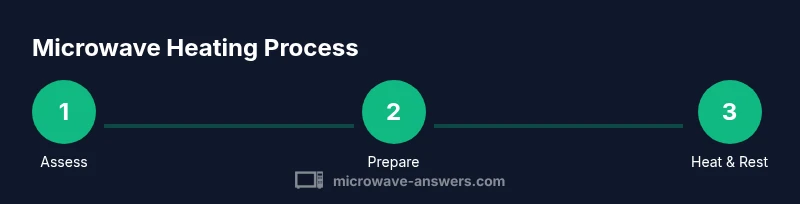
Assess safety and plan
Check the food's moisture, density, and packaging. Decide whether microwaving is appropriate or if another method would yield better texture. If in doubt, choose a safer option or split into smaller portions for even heating.
Tip: When in doubt, cut the food into even pieces to promote uniform heating. - 2
Choose a microwave-safe container
Transfer the food to a microwave-safe dish with a vented lid or cover. Remove any metal trims or foil. If the food was in a sealed container, transfer to a open container to vent steam.
Tip: Always verify labeling on the container to confirm microwave safety. - 3
Set initial heating and power level
Start with a moderate power setting (50-70%) and short intervals (30-60 seconds). This reduces the risk of scorching and helps you monitor progress.
Tip: If heating liquids or sauces, use lower power to prevent boiling over. - 4
Stir or rearrange halfway through
Pause the microwave and stir, flip, or rotate the food. This disrupts hotspots and promotes even heating throughout the dish.
Tip: For thick or dense items, consider breaking into smaller pieces before reheating. - 5
Check temperature and continue heating if needed
Use a thermometer for meats or dense proteins to reach safe temperatures (at least 165°F / 74°C). If not reached, heat in additional short bursts and retest.
Tip: Avoid tasting hot portions; test with a thermometer for safety. - 6
Rest before serving
Let the food stand for 1-2 minutes after heating to allow heat to distribute evenly (carryover heating). This reduces hot spots and improves texture.
Tip: Cover loosely during the rest period to retain moisture without trapping steam. - 7
Clean and store properly
Wipe spills, wash the container, and store leftovers in airtight containers. This prevents contamination and keeps your microwave ready for the next use.
Tip: Always dry the interior to prevent moisture buildup that could affect heating.
Common Questions
Is it safe to microwave eggs in shells?
No. Eggs in shells can explode due to steam buildup. If you need to heat eggs, crack them into a microwave-safe dish and pierce the yolk, cooking in short intervals while stirring. Always ensure the dish is vented and monitor closely.
Eggs in shells can explode, so never microwave them whole. Use a vented container and crack the egg into a dish instead.
Can you microwave raw meat safely?
Microwaving raw meat is possible but tricky. It can heat unevenly, leaving cold spots where bacteria survive. If you choose to microwave meat, cut it into small pieces, use a thermometer to verify doneness, and finish with a brief oven or pan sear if possible.
Meat heated in the microwave can heat unevenly, so check with a thermometer and finish with a browning step if you can.
Can I microwave plastic containers?
Only if labeled microwave-safe. Some plastics can melt or leach chemicals. Avoid microwaving plastic wrap tightly around food; instead use vented covers or glass containers.
Use only microwave-safe plastics. If in doubt, switch to glass or ceramic.
Why does microwave heating seem uneven?
Because heat distribution depends on moisture, density, and food geometry. Stopping to stir and rearrange, using smaller pieces, and resting after heating can reduce hotspots.
Uneven heating happens due to moisture pockets; stir and rest to even it out.
Are there foods you should always finish in the oven?
Yes. Foods that benefit from browning or crisp textures—like fried foods, pastries, or proteins with a crust—often fare better in an oven or skillet after a brief microwave pre-heat.
Foods needing browning usually taste best when finished in the oven after a quick microwave preheat.
Is microwave heating healthy compared to other methods?
Microwave heating can be as healthy as other methods when used correctly, preserving nutrients with short cook times. The health impact is more about food choices and cooking practices than the appliance itself.
Microwaves are safe when used correctly; focus on food choices and cooking practices.
Watch Video
Main Points
- Understand that not every food is microwave-safe.
- Use microwave-safe containers and vented lids to improve safety and texture.
- Stir, rotate, and rest to promote even heating and avoid hotspots.
- Check internal temperatures for safety, especially with meat.
- When in doubt, use alternative methods for crisp textures or sensitive items.