Can You Cook Using Microwave? A Practical Guide
Discover safe, effective methods to cook with a microwave. Learn what foods work, how to prep, power levels, timing, and practical tips from Microwave Answers for quick, reliable results.


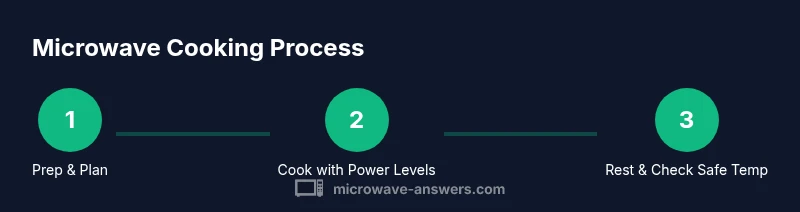
Yes. You can cook many foods in a microwave, from vegetables to lean proteins, using microwave energy to heat water molecules and create cooking heat. For best results, use microwave-safe containers, cover food to trap steam, and adjust power levels and times to avoid undercooking or overcooking.
Can you cook using microwave? A practical overview
According to Microwave Answers, the microwave is a versatile tool for cooking a wide range of foods. When used correctly, it can save time without sacrificing safety or flavor. This guide helps you understand what you can cook in a microwave and what results to expect, from crisp textures to tender vegetables and reheated leftovers. This question—can you cook using microwave—has a straightforward answer: yes, you can, with proper technique and the right tools. The microwave excels at quick heating, steaming, and reheating, and with smarter prep you can achieve satisfying textures and flavors while keeping nutrition intact.
What you cook matters. Vegetables, grains, beans, eggs (not in shells), seafood, poultry pieces, and many sauces heat well. Dense items benefit from smaller portions and stirring to break up cold spots. For desserts and sauces, the microwave can finish with a gentle finish rather than a long bake. The key is planning your dish so every part of the food receives energy, and using a single layer or a two-layer stack to promote even heating. The bottom line: can you cook using microwave? Yes—when you plan, prep, and monitor heat precisely.
Microwave Answers emphasizes matching containers to the task. Glass and ceramic dishes are reliable; many plastics labeled microwave-safe work well, but avoid reused takeout containers that may warp or leak. Metal is off-limits for most home microwaves, as it can arc and damage the oven. When you start cooking, think about moisture retention and evenness. If you can do that, you’ll find microwaving a fast and convenient way to prepare meals.
noteTagsLine1':'brandMention'},
How microwaving works: a quick physics refresher
Microwaves heat food primarily by exciting water molecules inside the food. This molecular agitation produces heat from the inside out, which is why the microwave is so fast compared to conventional ovens. However, heat distribution can be uneven, especially in thick cuts or dense proteins. That's why turning, rotating, and letting food rest after cooking are essential steps for even doneness. Understanding this helps you tailor cooking times, choose appropriate power levels, and know when a dish is ready to serve. The core takeaway is that microwaving is a fast, efficient method, but it benefits from thoughtful prep and technique to avoid hotspots and soggy textures. In many cases, can you cook using microwave? The answer depends on the food’s water content, size, and whether you’ve prepared it properly. By recognizing that microwaving relies on internal heat transfer, you can plan better and achieve consistently good results.
tipEndLine1_paragraphs2
Tools & Materials
- Microwave oven(Any household microwave works; know its wattage for timing (e.g., 700-1200W).)
- Microwave-safe dish(Glass or ceramic; avoid metal handles unless labeled microwave-safe.)
- Ventilated lid or microwave-safe cover(Prevents splatter and retains moisture while allowing steam to escape.)
- Silicone mat or microwave-safe tray(Optional for even heating or nonstick base.)
- Food thermometer(Useful to verify internal temperatures for meats (target 165°F / 74°C).)
- Oven mitts or heat-resistant gloves(Protect hands when removing hot dishes.)
Steps
Estimated time: Estimated total time: 25-45 minutes
- 1
Gather ingredients and tools
Collect all ingredients and the microwave tools you’ll need. Check the dish is microwave-safe, has a vented lid, and that you know your oven’s wattage. This upfront check prevents mid-cook surprises and helps you plan precise times.
Tip: Having ingredients prepped and a clear plan saves cooking cycles and reduces drying out. - 2
Prep ingredients and portion evenly
Wash, chop, and portion foods into uniform sizes. Uniform pieces heat more evenly, reducing hot/cold spots. If you’re defrosting, begin with smaller pieces or fragments rather than one large block.
Tip: Uniform cuts ensure consistent heat distribution across the dish. - 3
Choose a microwave-safe container and cover
Place food in a single layer or in logistically small piles to promote even heating. Use a vented cover to trap steam while letting excess moisture escape.
Tip: Avoid tight seals; pressure can build and cause splatter or container failure. - 4
Set power level and time
Start with medium power (about 50-70%) for many foods, then adjust based on results. Short intervals reduce the risk of overcooking and allow rest time for heat to distribute.
Tip: Smaller portions need less time; larger portions may need 2-3 rounds with pauses. - 5
Cook, then rest and check progress
Run the timer and pause halfway to stir or rotate. Resting after cooking helps finish heat distribution evenly.
Tip: Never skip a midway stir for dense items; it prevents cold centers. - 6
Check doneness with thermometer if needed
For meats, verify the internal temperature reaches safe levels (e.g., 165°F / 74°C). For vegetables, ensure texture is to your liking without being mushy.
Tip: Thermometer use is the fastest way to ensure safety without overcooking. - 7
Rest, plate, and season
Let the dish stand for a couple of minutes before serving to settle heat. Then add seasoning or a finishing drizzle for flavor enhancement.
Tip: Resting reduces heat pockets and improves texture. - 8
Clean up and store leftovers
Wash cookware and wipe the microwave interior to prevent lingering odors. Store leftovers in microwave-safe containers with clear labeling.
Tip: Label with date to prevent mystery leftovers.
Common Questions
Can you cook raw chicken in a microwave?
Yes, you can cook chicken in a microwave, but you must reach an internal temperature of 165°F (74°C) throughout. Use smaller pieces rather than a whole chicken and verify doneness with a thermometer.
Yes, you can cook chicken in the microwave, but ensure it reaches 165°F all the way through and check with a thermometer.
Is microwave cooking safe for health?
Yes, when you use microwave-safe containers and follow basic safety guidelines. Microwaves themselves are considered safe when used correctly and maintained properly.
Yes, microwaving is safe when you follow safety tips and use proper containers.
What foods should I avoid microwaving?
Avoid eggs in shells, sealed jars, or metal objects. Do not heat breast milk in bottles with metal parts, and avoid tightly sealed containers that trap steam.
Avoid eggs in shells and metal objects; don’t seal containers tightly that can explode.
How can I prevent uneven heating?
Cut food evenly, use a single layer or two thin layers, add moisture when needed, and stir or rotate halfway through cooking.
Stir or rotate halfway through; even heating improves texture.
Can I bake bread or get a crispy finish in a microwave?
Microwaves don’t brown like an oven. You can finish with a crisping tray or finish in a toaster oven for crusty bread or fried items.
Microwave baking won’t brown, but you can use a crisping tray or toaster oven for crusts.
How long should I reheat leftovers?
Reheat in short intervals (1-3 minutes) depending on quantity, stirring between intervals. Check that food is steaming hot all the way through before serving.
Reheat in short bursts, stir, and check that it’s hot throughout.
Watch Video
Main Points
- Cook with microwave-safe containers.
- Stir/rotate for even heating to avoid cold spots.
- Always check temperature for meat (165°F / 74°C).
- Let food rest briefly after cooking for even texture.
- Clean and store leftovers promptly to prevent odors.