How to Use a Microwave: Practical Step-by-Step Guide
Learn how to safely use a microwave for reheating, defrosting, and quick cooking. Get practical tips on containers, power levels, standing time, and avoiding common mistakes.


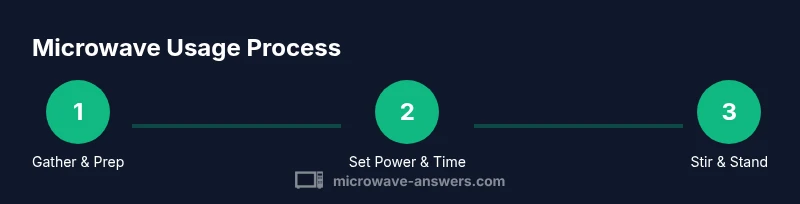
You can use a microwave to reheat, defrost, melt, and cook a wide range of foods quickly. Start with a microwave-safe container, remove metal, and use appropriate power levels and times. Arrange foods evenly, stir or rotate if possible, and let the dish stand briefly after heating to even out temperatures. Always follow safety guidelines.
What is a microwave and why use it
A microwave oven uses electromagnetic waves to excite water molecules in food, generating heat from the inside out. This makes reheating fast, convenient, and energy-efficient for busy households. The Microwave Answers team notes that when used correctly, microwaves can preserve moisture and nutrients better than some conventional methods for specific foods, while also reducing cleanup. By understanding the basic physics—how heat is transferred and how containers interact with microwave energy—you can choose safe methods and avoid common mistakes. This guide focuses on safe practices, practical tips, and clear steps you can follow to use the microwave confidently in daily cooking tasks, from reheating soups to defrosting chicken and melting frosting on desserts.
Safety first: containers, metal, and standing time
Never put metal in a microwave. Metal twists, foil, or aluminum can spark and damage the oven or start a fire. Use glass, ceramic, or microwave-safe plastics, and check the labeling. For standing time, allow heated foods to sit for a minute or two after the timer stops; heat continues to distribute, reducing hot spots. If you’re reheating soups or sauces, cover loosely to prevent splashes while allowing steam to escape. The Microwave Answers approach emphasizes avoiding metal entirely and using safe containers to minimize risk. Standing time also helps reach a safe serving temperature without overcooking edges.
Choosing the right containers and covers
Select microwave-safe containers—clear glass or ceramic are excellent choices because they heat evenly and don’t warp from heat exposure. If you cover food, use a vented microwave lid or microwave-safe plastic wrap that’s loose enough to allow steam to escape. Avoid containers that aren’t labeled microwave-safe, and never reuse takeaway containers with plastic coatings that aren’t rated for heating. Proper covers help retain moisture, ensuring more even heating and reducing the need for repeated reheating. In addition, using a lid limits splatters, making cleanup easier and preserving the microwave’s interior.
Power levels, time, and defrost
Most common reheating should use medium to high power in short bursts rather than a long continuous cycle. Start with shorter intervals (1–2 minutes for small portions), then check and stir. For defrosting, select a lower power setting (often Power Level 3–4 of 10) and flip or stir halfway through. If your microwave offers presets, use ones that match the density of the food (e.g., vegetables, dairy, or meat). The key is controlling heat gently to prevent overcooking edges while the center remains cold.
Remember: more powerful does not always mean faster if the goal is even heating; safe, even heating usually means shorter bursts with breaks to check progress.
Reheating versus cooking with a microwave
Reheating simply restores temperature, while cooking may change texture and moisture content. For leftovers, spread food in a thin, even layer so heat penetrates quickly; stir at intervals and check temperature with a food thermometer if available. For cooking, combine microwave methods with vented lids, short bursts, and strategic stirring to manage moisture. Some foods cook more effectively under lower power with longer times to prevent drying or toughening. The aim is to achieve a safe, palatable result without scorching edges or leaving cold centers.
Common foods and best practices
Soups and sauces heat best in a wide, shallow dish and benefit from frequent stirring. Vegetables like broccoli or carrots reheat evenly when arranged in a single layer and covered. Grains such as rice reheat more evenly when sprinkled with a bit of water and covered. For proteins like chicken or beef, cut into uniform pieces to ensure even heating and consider turning pieces halfway through. Following these practices helps minimize energy use while preserving texture and flavor.
Food safety and hot spots
Hot spots are a common issue in microwaving, where some areas get much hotter than others. Stirring and turning food during the process promotes uniform heating. Always check the internal temperature, especially when reheating leftovers or cooking poultry. The goal is to reach a safe serving temperature throughout (for most foods, at least 165°F/74°C). The Microwave Answers analysis shows that even heating is critical to reducing foodborne illness risk and maintaining taste and texture.
Troubleshooting common issues
If food remains cold at the center after a standard reheating cycle, increase the time in shorter increments rather than a single long interval, and stir to break up dense areas. A burnt smell or unusual smoke indicates overheating; stop immediately and unplug if necessary. Odors can linger after cooking; wipe the interior with a damp cloth and run a quick steam clean with water and lemon to refresh the cavity.
Quick care and maintenance
Keep the interior clean to prevent odor buildup and ensure safe operation. Wipe spills promptly and clean the turntable regularly. Check the door seals and hinges for wear, as a compromised seal can affect performance. If you notice sparking or unusual sounds, stop using the unit and consult the manual or a professional. Regular cleaning and careful usage extend the life of your microwave and help maintain even heating.
Final tips and myth-busting
A common myth is that you can microwave everything without a cover. Using a cover helps retain moisture, prevents splatter, and improves heating evenness. Also, some plastics claimed as “microwave-safe” can still leach flavors or chemicals at high temperatures; always prefer glass or ceramic for reheating. The Microwave Answers team emphasizes sticking to microwave-safe containers and avoiding metal entirely. The core idea is simple: with the right containers, settings, and standing time, a microwave is a safe, efficient tool for daily cooking and quick meals.
Tools & Materials
- Microwave(A standard kitchen appliance; ensure it is functioning properly before use.)
- Microwave-safe container (glass or ceramic)(Avoid metal and avoid non-microwave-safe plastics.)
- Microwave-safe lid or vented cover(Use to retain moisture and prevent splatter.)
- Measuring cup for liquids(Helpful for adding moisture to reheats (water or broth).)
- Spatula or stirring utensil(Stir midway to promote even heating.)
- Oven mitts or heat-resistant gloves(Safe handling of hot dishes.)
- Optional: food thermometer(For verifying safe internal temperatures.)
- Optional: parchment paper or microwave-safe wrap(For covering or protecting surfaces when needed.)
- Smartphone timer or kitchen timer(Helpful for setting precise intervals.)
Steps
Estimated time: 20-30 minutes
- 1
Gather food and choose a microwave-safe container
Select the items you plan to heat and place them in a microwave-safe container. Remove any metal trim or foil from the packaging. If the food is dense or large, cut it into smaller, evenly sized pieces to promote even heating.
Tip: Always start with a dish that has a wide surface area for faster, more even heating. - 2
Prepare and arrange for even heating
Spread food in a thin, uniform layer. If reheating a sauce or soup, use a wide shallow dish to maximize surface area. Cover loosely with a vented lid to trap moisture while letting steam escape.
Tip: Density matters: lighter foods heat more evenly than thick, dense blocks. - 3
Set power level and time
Start with a moderate power setting (high or power level 8–10 for most foods) in short bursts (1–2 minutes). If defrosting, use a lower power setting and shorter intervals.
Tip: Defaults can be misleading; adjust time by 15–20 seconds if you see gradual heating. - 4
Pause to stir, rotate, or flip
Pause the microwave halfway through to stir or rotate the dish. This helps eliminate cold spots and improves even heating across the entire portion.
Tip: Stirring is your friend for most leftovers. - 5
Check temperature and reheat if needed
Check the center of the food with a thermometer or by testing the temperature in multiple spots. If necessary, reheat in 20–30 second increments until safe and hot throughout.
Tip: Never rely on the surface temperature alone. - 6
Let it stand and finish cooking
Allow the dish to rest for 1–2 minutes after microwaving. Heat distribution continues as the food rests, reducing the risk of hot spots.
Tip: The resting time is essential for safe serving. - 7
Clean up and store properly
Remove the dish carefully and wash the container once cooled. Wipe the microwave cavity to remove splatters; store leftovers in airtight containers.
Tip: Regular cleaning prevents lingering odors and improves performance. - 8
Review and adjust for next time
Reflect on results: was it evenly heated? Was moisture preserved? Use this feedback to adjust future reheating or cooking sessions.
Tip: Small tweaks can dramatically improve results.
Common Questions
Is it safe to use plastic containers in the microwave?
Only use containers labeled microwave-safe. Some plastics can warp, melt, or leach chemicals at high heat. When in doubt, transfer to glass or ceramic and avoid disposable plastic wraps.
Only use microwave-safe plastics, or switch to glass or ceramic containers.
Can I microwave frozen foods directly from the freezer?
Yes, many frozen items can be reheated in the microwave, but you’ll usually need defrost or low-power settings and longer times. Break up large pieces to help even heating.
Yes, you can, but you’ll usually need defrost settings and frequent stirring.
Why does food heat unevenly in a microwave?
Microwave energy is absorbed unevenly due to food shape, density, and moisture. Stirring, rotating, and arranging food in a thin layer helps distribute heat more evenly.
Because microwaves heat in waves and food isn’t uniform, stirring helps even things out.
Can I cook eggs in the microwave?
Eggs can explode if heated whole or in shells. Beat eggs or pierce the yolk and cook in short intervals. For safety, avoid whole eggs in-shell entirely.
Eggs can be cooked in the microwave, but never in shells—beat or pierce first and cook in short bursts.
How should I clean my microwave?
Wipe the interior with a mild soap solution or a damp cloth. For a fresh scent, run a quick steam clean with water and lemon slices. Dry and wipe away moisture.
Wipe it clean with soap and water, or do a quick lemon steam clean.
What’s the best way to reheat leftovers?
Spread leftovers in a thin layer, cover loosely, and heat in short intervals, stirring between bursts. Check temperature in multiple spots and ensure it’s steaming hot.
Spread it out, cover loosely, and heat in short bursts, stirring each time.
Watch Video
Main Points
- Use microwave-safe containers and lids.
- Stir/rotate for even heating to avoid cold spots.
- Follow safe times and power levels for different foods.
- Let foods stand briefly after heating before serving.
- Avoid metal and non-microwave-safe plastics.
- Keep the microwave clean to maintain performance.