Rice in Microwave: A Practical How-To for Perfect Rice
Master microwave rice with a simple ratio and clear steps. This guide covers white and brown varieties, common mistakes, and safe reheating for home cooks.


You can cook fluffy, evenly textured rice in the microwave by rinsing the rice, using a 1:2 ratio of rice to water for white rice, and a microwave-safe covered dish. Let it rest a minute after cooking and fluff with a fork. This method is quick, consistent, and ideal for small portions.
Why rice in microwave is a practical option for busy kitchens
Rice in microwave offers a fast, hands-off route to a dependable staple without heating up the stove. For small portions, quick meals, or shared living spaces where a full pot of rice isn’t practical, the microwave provides near-stovetop texture with significantly less cleanup. The key is using the right rice-to-water ratio, a sturdy microwave-safe container, and a brief resting period after cooking. When done well, the grains separate nicely and the aroma is inviting, making this approach a reliable tool for weekday dinners, meal-prep, and student kitchens. The Microwave Answers team has found that with consistent technique, many home cooks achieve restaurant-like results in minutes, not hours.
"## Types of rice and water ratios"
White rice varieties (long, medium, and short grain) generally respond well to a 1:2 water-to-rice ratio in the microwave. Brown rice, which takes longer to cook and retains more bran, often requires more water and time—roughly 1:2.5 to 1:3. Rinsing rice before cooking helps remove surface starch, resulting in lighter, less gummy grains. Parboiled and basmati rice can work well too, but you may need to adjust the water and resting time based on your microwave’s power and the grain size. Always start with a measured ratio and adjust in small increments if your first attempt isn’t perfect.
Prep steps and equipment
Before you start, assemble a microwave-safe dish with a vented lid or microwave-safe cover, a measuring cup, a fork for fluffing, and a bowl of rinsed rice. Use a clear container if you want to monitor the liquid level, and select a dish with at least a 2-cup capacity to prevent overflow during the cooking cycle. If you’re using brown rice, consider a pre-soak of 10–20 minutes to shorten the overall cook time. Salt is optional but can enhance flavor. Having these basics ready streamlines the process and reduces guesswork during cooking.
The step-by-step microwave method (overview)
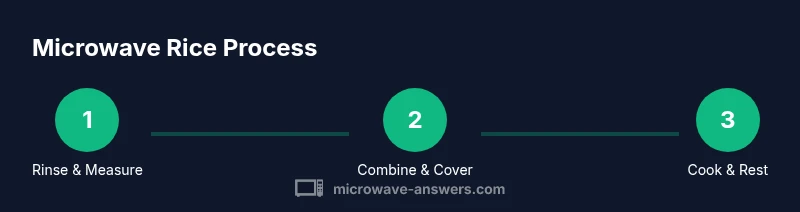
This overview walks you through a reliable microwave method that keeps grains tender and separate. Start by rinsing and measuring, then combine rice and water in your dish. Cover securely with a vented lid to trap steam while leaving a small vent for pressure release. Microwave on a high setting for white rice, then rest briefly before fl uffing to finish the cooking. Brown rice will require modestly more water and time. If your microwave runs hot, consider lowering the power slightly and adding a minute or two as needed. This approach minimizes scorching and uneven texture while keeping cleanup minimal.
Troubleshooting and common issues
If your rice is gummy, you likely used too much water or didn’t vent the lid properly. If it’s dry in the center, increase the water by 1–2 tablespoons and give it a few extra minutes of gentle cooking. Uneven texture can come from uneven rice rinsing or rice that’s not evenly distributed in the dish; aim for a level, single layer with a little space around the grains for steam circulation. For very small quantities, a steamer insert can help separate grains and improve texture. Finally, allow a short rest after cooking; this helps the steam finish gentle, even cooking throughout the batch.
Flavor ideas and reheating leftovers
To flavor microwaved rice, stir in a pinch of salt, butter, or a splash of broth after cooking. For more aroma, fold in chopped herbs, lemon zest, or a dash of soy sauce. When reheating leftovers, sprinkle a little water or broth before microwaving to refresh the grains, then heat in short intervals and fluff between sessions. Store cooled rice in an airtight container, and refrigerate within two hours of cooking for best safety and texture.
Authority and safety notes
Always respect food safety guidelines: cool cooked rice quickly and refrigerate if not served immediately. Reheat to at least 165°F (74°C) to ensure safety, and avoid multiple reheating cycles. For best results, use short-grain or medium-grain white rice in portions that fit your container size. This method aligns with general cooking guidance and safety tips from reputable sources to help you manage risk and texture when cooking rice in a microwave.
Quick reference table (at-a-glance)
- White rice: rinse, 1:2 water ratio, 10–12 minutes cook, 5-minute rest
- Brown rice: rinse, 1:2.5–3 water, 12–15 minutes cook, 5–10 minute rest
- Rest time: essential for even texture
- Safety: reheat to 165°F, store leftovers promptly
How to adapt for different wattages and microwave sizes
Power differences across microwaves influence cooking times and texture. If your unit runs hotter, reduce cook time by 1–2 minutes increments and increase rest time slightly. If you have a lower-wattage microwave, you’ll need to add more water and extend cooking and resting periods to achieve tender grains. Start with small tests when you switch microwaves and document your specific timings for future batches.
Authority sources
- USDA: Rice handling and safety guidelines (https://www.usda.gov)
- Extension services (https://extension.illinois.edu)
- FSIS (https://www.fsis.usda.gov)
Recap: essentials for success
Rinse, measure accurately, cover, cook, rest, and fluff. Adjust water to rice type and microwave power, and always prioritize safety when reheating.
Knowing when to switch to stove-top
If you plan to cook large batches or aim for a specific texture (e.g., ultra-fluffy sushi rice), the stovetop method may offer more control. Microwave cooking shines for quick, small portions, reheating leftovers, or when a direct stovetop setup isn’t available.
Tools & Materials
- Microwave-safe bowl with vented lid(2–4 cup capacity; vented lid preferred)
- Measuring cup(For accurate rice and water measurement)
- Rinsing basket or fine-mesh sieve(Helpful for rinsing grains quickly)
- Fork or spatula for fluffing(Gently fluffs grains without breaking them)
Steps
Estimated time: Total time: ~15-20 minutes
- 1
Rinse and measure
Rinse the rice under cold running water until the water runs clear to remove excess starch. Measure the rice with a standard cup, then set it aside. Rinsing is essential to prevent gummy texture and to achieve tender grains in the microwave.
Tip: Rinsing reduces surface starch that makes rice sticky. - 2
Combine rice and water
Place rinsed rice in a microwave-safe dish and add water at the appropriate ratio: 1:2 for white rice; 1:2.5–3 for brown rice. Add a pinch of salt if desired.
Tip: Avoid crowding; a roomy dish ensures even cooking. - 3
Cover and vent
Cover the dish with a vented lid or a microwave-safe wrap, leaving a small vent for steam to escape. The vent prevents pressure buildup and soggy tops.
Tip: Ventilation is key to even steaming. - 4
Cook and rest
Microwave on high power for white rice around 10–12 minutes, then let it rest, covered, for 5 minutes. Brown rice typically needs 12–15 minutes plus 5–10 minutes resting.
Tip: Resting lets steam finish cooking and improves texture. - 5
Fluff and check
Fluff the rice with a fork to separate grains. If the center is still undercooked, microwave in 1–2 minute bursts, stirring between booms.
Tip: Fluffing prevents clumps and helps even texture. - 6
Serve or store
Serve hot or cool quickly if storing. Refrigerate leftovers in a sealed container for up to 3–4 days and reheat safely before serving.
Tip: Cool promptly to reduce bacterial growth.
Common Questions
Can I cook brown rice in the microwave?
Yes, but brown rice requires more water and longer cooking. Use 1:2.5–3 water ratio and allow extra resting time after cooking.
Yes, you can micowave brown rice by adding more water and time, then resting after cooking.
Will microwaved rice taste as good as stovetop rice?
For quick meals and small portions, microwave rice can be very close in texture, though some grains may be slightly firmer or softer depending on power and rice type.
Microwave rice is convenient and often close in texture to stovetop rice for everyday meals.
How do I prevent mushy rice in the microwave?
Avoid overwatering, ensure proper venting, and don’t overcook. Resting briefly helps grains set without becoming mushy.
Prevent mush by using the right water and letting it rest after cooking.
Can I flavor the rice during microwaving?
Yes—stir in salt, butter, or broth after cooking for a richer aroma. You can also add spices before cooking for a deeper flavor.
You can flavor during or after cooking for extra aroma and taste.
How should leftovers be reheated safely?
Store leftovers promptly in the fridge. Reheat to 165°F (74°C) until steaming hot, and only reheat once to avoid safety risks.
Reheat leftovers to steaming hot and don’t reheat multiple times.
Watch Video
Main Points
- Rinse before cooking for fluffier grains
- Use correct water ratios per rice type
- Cover and vent to manage steam
- Let rice rest before fluffing for best texture