How to Make Rice in the Microwave: Easy Step-by-Step Guide
Learn to cook fluffy rice in the microwave with clear ratios, timing, and tips for white, brown, and seasoned varieties. This Microwave Answers guide covers safety, reheating, and common mistakes to help home cooks get perfect grains every time.


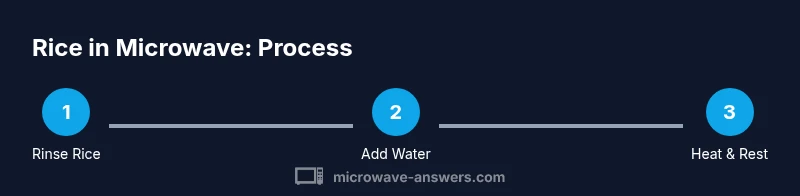
How to make rice in the microwave: Combine rinsed rice with water in a microwave-safe dish, cover, and cook on high until simmering. For white rice use a 1:2 ratio (rice:water) and 10–12 minutes, then rest 5 minutes. For brown rice, extend to about 22–25 minutes with more water. Fluff and serve.
Understanding Microwave Rice: Why It Works
Microwave rice works because water absorbs microwave energy and turns into steam, which gently cooks the grains from the inside out. The key is to provide enough water to hydrate the starches without turning the dish into mush. A tight seal or vented lid traps steam, creating a consistent cooking environment similar to conventional stovetop methods. According to Microwave Answers, the fundamentals are the same across rice varieties: control the water, control the heat, and allow a brief rest at the end so the grains finish steaming. Choosing a microwave-safe container with a solid base minimizes hotspots and promotes even cooking. If your bowl is too shallow, grains can cook unevenly and overflow; if it’s too deep, heat distribution may be uneven. Start with a standard 1:2 rice-to-water ratio for white rice and adjust from there based on texture and microwave wattage.
Rice Variations and Their Microwave Needs
Rice comes in many forms, and microwaving responds best when you match the method to the grain. White rice (long- and medium-grain) generally follows a 1:2 ratio, jasmine and basmati can use the same ratio with shorter resting times, and brown rice needs roughly 1:2.5 to 3 water per rice, plus a longer cook time. Wild rice and mixed blends usually require more water and a longer rest period to hydrate properly. The Microwave Answers team notes that rinsing can help reduce surface starch and improve fluffiness, but it’s not strictly required. If you’re using infused or mixed rice blends, check the package for any special guidance and start with a conservative water amount, then adjust in small increments after testing.
Tools and Containers You’ll Need
A sturdy, microwave-safe bowl (1.5–2 quarts is ideal), a vented lid or microwave-safe plate to cover, a measuring cup for accuracy, and a fork for fluffing are the essentials. A digital timer helps you stay precise, especially when you’re learning your microwave’s quirks. If you don’t have a vented lid, a small gap between the lid and bowl or a vented steam rack can prevent pressure buildup. Glass or ceramic bowls provide more even heating than thin plastic, and a deeper bowl reduces overflow. Optional add-ins like a pat of butter or a teaspoon of oil can improve mouthfeel and flavor, but start with the basics before experimenting with fats.
Basic Ratios and Water Chemistry
Rice grains absorb water as they heat, turning starch into a tender, fluffy interior. The simplest rule is to cover the rice with enough water so the grains can hydrate fully without sitting in pooled liquid. If you’re cooking white rice, the classic 1:2 ratio usually yields tender grains with separate textures. For brown rice, expect a longer hydration period and more water (1:2.5–3). Keep the dish covered during cooking to trap steam, which helps finish the grains with less risk of scorching. If your microwave has a lower wattage, you’ll need to extend times slightly; if it’s higher, you may need shorter intervals and a brief rest.
Step-by-Step Guide: White Rice (Long-Grain)
- Start by measuring 1 cup white rice and rinsing until the water runs clear. This removes surface starch and helps prevent clumping.
- Place rinsed rice in a microwave-safe bowl and add 2 cups water. Add a pinch of salt if desired and a small pat of butter or a drizzle of oil for flavor.
- Cover the dish with a vented lid or a plate that allows a small steam escape. This keeps moisture in and reduces splatter during cooking.
- Microwave on high for 10–12 minutes, or until you see gentle simmering and most of the water is absorbed. If your microwave runs hotter, check at 9–10 minutes and stop when appropriate.
- Let the dish rest, still covered, for 5 minutes. Resting completes steam cooking and yields firmer, fluffier grains.
- Fluff with a fork and serve. If there’s excess moisture, uncover for a minute or two to release extra steam, then fluff again.
Step-by-Step Guide: Brown Rice
- Rinse 1 cup brown rice to remove surface dust and soften the outer bran layer.
- Use 2–3 cups water for every cup of brown rice (start with 2.5 if you’re unsure). For added flavor, use broth in place of water, keeping track of salt.
- Cover securely and microwave on high for 20–23 minutes, then reduce power to 60–70% and continue cooking for another 10–15 minutes, until most liquid is absorbed.
- Let it rest, covered, for 10 minutes to finish steaming. Fluff with a fork to separate grains.
- Check for tenderness; if needed, microwave in 2–3 minute bursts, reseal, and rest again. Brown rice takes longer but yields a chewier, nuttier texture.
Flavor and Texture Tweaks
Seasoning is a quick win. You can add a pinch of salt, a dash of soy sauce, or a drizzle of olive oil during cooking for depth. For a richer flavor, swap half of the water for low-sodium broth. Aromatics like garlic powder, onion powder, or a splash of lime juice after cooking can brighten the finish without adding fat. If you prefer firmer grains, reduce water by 2–3 tablespoons and increase rest time. For softer, stickier rice, add a bit more water and extend resting by a few minutes. These tweaks let you tailor microwave rice to your dish and personal preferences, with minimal effort.
Troubleshooting Common Issues
- Rice is undercooked: Increase cook time by 2–3 minutes and/or add ¼ cup more water if needed. Rest for 5–7 minutes after cooking.
- Rice is mushy: Use a shorter cook time next round and reduce water by 2–3 tablespoons; rinse rice to remove extra starch before cooking.
- Rice sticks together: Rinse well before cooking and fluff immediately after resting to separate grains.
- Overflows: Use a larger bowl or reduce power to 60–70% and cook in shorter bursts with rest intervals. A vented lid helps control steam and prevent splatter.
Scaling Up and Batch Cooking
When cooking larger quantities, keep the rice-to-water ratio consistent and break the batch into two smaller bowls if you have a microwave with a smaller turntable. Stirring halfway through can help distribute heat more evenly. For extra flavor in big batches, consider dissolving salt in the cooking water and adding an additional flavor boost after resting. If you’re reheating leftovers, add a splash of water to avoid dryness and reheat in 1–2 minute bursts until steaming hot.
Safe Handling and Reheating
Rice should be cooled within two hours of cooking and stored in a shallow, airtight container in the fridge. Reheat to at least 165°F (74°C) and fluff before serving. When reheating, sprinkle a small amount of water to refresh the grains and cover to trap steam. Never leave cooked rice at room temperature for extended periods, as bacteria can multiply quickly. Reheat leftovers only once, and discard any that have been left out too long.
Authority Sources and Further Reading
For trusted guidance on rice preparation, food safety, and microwave cooking considerations, consult the sources listed below. These references provide broader context on safe cooking temperatures, hydration principles, and general kitchen best practices. The Microwave Answers team synthesizes these concepts into practical, home-cook-friendly steps for quick meals.
Authority Sources
- https://www.usda.gov
- https://www.fda.gov
- https://www.cdc.gov
Tools & Materials
- Microwave-safe bowl (1.5-2 qt)(Opaque glass or ceramic works best; vented lid or plate to cover)
- Measuring cup(For accurate rice:water ratio)
- Fork or spoon(For fluffing after cooking)
- Rice (white, brown, jasmine, basmati, etc.)(Rinse if desired to remove surface starch)
- Water or broth(Water is standard; broth adds flavor)
- Salt or butter/oil (optional)(For taste and texture)
- Microwave-safe lid or plate(Covers to trap steam; vent if needed)
Steps
Estimated time: Total: 30-40 minutes depending on rice type and wattage; rests add 5-10 minutes.
- 1
Measure and rinse the rice
Measure the desired amount of rice and rinse under cold water until the water runs clear to remove surface starch. This helps prevent gummy grains and improves texture after microwaving.
Tip: Rinsing twice can yield slightly airier grains. - 2
Add the right water ratio
Place the rinsed rice in a microwave-safe bowl and add the appropriate amount of water for your variety (white rice commonly 1:2; brown rice 1:2.5–3). Use a splash of salt if desired.
Tip: Dip a clean finger in to verify water level; it should come to the first knuckle for quick checks on small portions. - 3
Optional fat and flavor
Add a small pat of butter or a teaspoon of oil if you want richer grains. This can also help with separation of the grains as they cook.
Tip: Fat helps coat grains and reduce sticking, especially with brown rice. - 4
Cover the dish securely
Cover the bowl with a vented lid or a plate that allows steam to escape. A snug cover traps moisture for even cooking and reduces splatter.
Tip: If using a plate, leave a small gap for steam to vent. - 5
Cook on high until simmering
Microwave on high until you observe gentle simmering and most of the water is absorbed. For white rice this is typically 10–12 minutes; brown rice takes longer.
Tip: If the liquid looks nearly absorbed but grains are still hard, stop briefly and let rest to finish cooking with residual heat. - 6
Finish with a rest period
Keep the dish covered and let it rest for 5–10 minutes after cooking. Steam continues to hydrate the grains and improves texture.
Tip: Don’t skip resting; it’s essential for fluffy rice. - 7
Fluff and check texture
Remove cover, fluff with a fork, and assess texture. If still too firm, you can microwave 1–2 minutes more with a quick rest.
Tip: Fluffing immediately after resting prevents clumping. - 8
White rice variations
For white rice, aim for separate grains with a light texture. Add additional salt or herbs after cooking to customize flavor.
Tip: A pinch of citrus zest after cooking brightens flavor without extra salt. - 9
Brown rice adjustments
Brown rice requires longer hydration and more water. Plan for 20–25 minutes total cook time and a longer rest.
Tip: Consider soaking brown rice for 15–30 minutes before cooking to speed up hydration. - 10
Flavor boosters and add-ins
Stir in peas, corn, diced vegetables, or cooked proteins after cooking for a complete microwave-friendly meal.
Tip: Add aromatics like garlic powder or paprika to boost aroma. - 11
Storing and reheating
Cool quickly and store in an airtight container in the fridge for up to 4–5 days. Reheat to 165°F (74°C) with a splash of water and cover to restore moisture.
Tip: Reheat in short bursts to avoid overcooking. - 12
Safety reminders
Always use microwave-safe containers, wait for steam to dissipate before handling, and discard any rice that smells off or shows signs of spoilage.
Tip: When in doubt, err on the side of caution and reheat in small portions.
Common Questions
Can I cook any type of rice in the microwave?
Most white and brown rices can be microwaved with appropriate water ratios, but some specialty blends may require adjustments. Always start with a tested ratio and adjust based on texture.
Most white and brown rices work in the microwave with the right ratio and time. Start with a proven ratio and adjust if needed.
How much water should I use for white rice in the microwave?
A common starting point is 1 cup of rice to 2 cups of water. You may need to adjust by a few tablespoons depending on your microwave wattage and the specific rice variety.
For white rice, start with a 1:2 rice-to-water ratio and adjust based on your microwave and rice type.
Can I use broth instead of water?
Yes. Using unsalted broth adds flavor. If you use broth, reduce added salt to avoid over-seasoning the dish.
You can use broth for cooking rice in the microwave; just adjust salt accordingly.
Is rinsing rice before microwaving necessary?
Rinsing removes surface starch and can improve fluffiness. It’s optional but often beneficial, especially for sticky varieties.
Rinsing is optional but helps prevent gummy grains.
Why is microwave rice sometimes sticky?
Sticky texture usually comes from excess starch, insufficient resting, or too much cooking time. Rinse, use the right ratio, and rest properly to improve texture.
Stickiness comes from starch and timing—rinse and rest properly to fix it.
How should I reheat rice safely?
Reheat leftover rice to 165°F (74°C) and add a splash of water if it’s dry. Cover to retain moisture and reheat in short intervals until steaming hot.
Reheat rice to at least 165°F, add a splash of water, and cover to reheat evenly.
Watch Video
Main Points
- Measure accurately and rinse rice for best texture.
- Match water ratio to rice type (white vs brown).
- Cover and rest to finish steaming evenly.
- Flavor with simple add-ins for variety.