How to Microwave Rice: A Fast, Safe Guide for Home Cooks
Master microwave rice with a practical, safety-focused approach. Learn water ratios, timing, and flavoring for white, brown, and specialty rices, plus tips to avoid common mistakes.


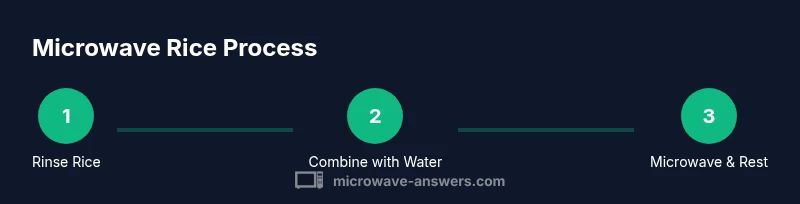
Goal: cook fluffy microwave rice with minimal fuss. Steps: rinse 1 cup rice until water runs clear, then combine with 2 cups water in a microwave-safe dish with a vented lid. Microwave on high in short bursts (about 8–12 minutes, depending on wattage) until the water is absorbed. Rest 5 minutes, then fluff with a fork. Adjust water for different varieties as needed.
Why microwave rice is a practical option
According to Microwave Answers, microwaving rice is a practical option for quick meals when you're short on time. This approach is energy-efficient compared with stovetop cooking and reduces prep steps with pre-measured portions. In busy kitchens, a well-prepared microwave method gives consistent results if you use the right container, water ratio, and timing. In this section, we explore why this technique works, the science of rice grains absorbing water, and how to set yourself up for success with the least mess and the most flavor. We'll also touch on safety considerations and how to avoid common pitfalls like undercooked centers or gummy texture. By understanding the core principles—water, heat, and steam—you can apply this method to multiple rice varieties and meal plans. The goal is to give you a reliable routine you can repeat any day.
Understanding water ratios for different rice types
Rice types vary in their starch content and grain shape, which affects how much water they need and how long they take to cook in the microwave. For white long-grain varieties, a common starting point is roughly two parts water to one part rice, but many packages include specific guidance. If you use brown rice, which hydrates more slowly, you may start with about two to two and a half parts water to one part rice and plan for a longer rest after cooking. Jasmine and basmati rice can often tolerate slightly less water, preserving their distinct aromas. The key is to check your rice label and adjust based on your microwave wattage and dish design. Always use a microwave-safe container with a vented lid to trap steam, and avoid overfilling the dish. If you notice foaming, decrease the rice amount or increase the dish size to manage expansion.
Choosing the right container and lid to trap steam
A sturdy, microwave-safe dish helps prevent scorching and ensures even cooking. Look for glass or ceramic bowls labeled microwave-safe, with a vented lid or a plate with a loose cover. A tight-sealing lid can trap too much steam and cause bubbling over, while a vented lid balances steam retention with safety. If you don't have a vented lid, partially cover the dish with microwave-safe plastic wrap or a paper towel to control moisture release. The container should have at least a 1-quart capacity for 1 cup of rice and water. Always place a shallow tray or a larger plate underneath in case of overflow. Finally, arrange the rice so the surface is flat and even to promote uniform heating.
Step-by-step core method: white rice in the microwave
Rinse the rice under cold water until the rinse water runs clear to remove surface starch that can make rice gummy. Transfer rinsed rice to your dish, then add water and a pinch of salt if desired. Place the lid or cover loosely to allow steam to escape. Microwave on high in short bursts, pausing to stir once or twice if your dish design permits, until the water is mostly absorbed and the surface shows small holes of steam. Check the texture—if it still seems firm, continue in short 2–3 minute increments. When cooking finishes, let the rice stand covered for 5 minutes to finish steaming, then fluff with a fork.
Adjusting for brown and specialty rices
Brown rice requires more water and longer cooking time because the bran layer slows hydration. Start with roughly 2.5 cups water per 1 cup brown rice and be prepared to extend the cooking window by several minutes. Rinse brown rice until the water runs clear, then cook with a vented lid and allow an additional resting period after microwaving. For jasmine or basmati, you can often tilt toward 1.75–2 cups water per cup rice to preserve their fragrance, but adjust based on microwave wattage. Regardless of variety, expect longer overall times for whole-grain or enriched rices and plan to let them rest briefly after cooking for best texture.
Flavoring and finishing techniques
Rice benefits from a touch of aroma and richness. Consider adding a splash of broth instead of plain water, a dab of butter or olive oil, and a pinch of salt before cooking. After resting, fluff with a fork and fold in chopped herbs, toasted sesame seeds, or a squeeze of lemon for brightness. If you prefer softer rice, a light stir-in of yogurt or coconut milk can enhance creaminess. For a savory finish, use low-sodium broth and a sprinkle of garlic powder, pepper, or a bay leaf during the cooking stage.
Safety tips for microwave cooking
Always use microwave-safe containers and avoid metal. Ensure lids have vents or leave gaps to prevent pressure buildup. Handle hot dishes with oven mitts and keep children away from hot steam. Never microwave rice in an unvented plastic wrap that could trap steam. If your dish overflows, stop the microwave, let it cool briefly, then clean the overflow before resuming. Finally, store any leftovers in a shallow container in the refrigerator within two hours to minimize bacterial growth.
Troubleshooting common issues
If the rice is undercooked or crunchy, add a bit more water (start with 2–4 tablespoons) and continue microwaving in short increments, then let rest. Mushy rice usually means too much water or overcooking; drain excess water and reduce the next attempt. Uneven heating is common with thick-walled dishes; stir halfway through and rotate the dish. If rice is gummy, rinse less starch in your next rinse and avoid excessive stirring while cooking.
Quick comparison: stove-top vs microwave rice
Stove-top rice often yields slightly more even textures and allows for hands-on moisture control, but it requires more attention and cookware. The microwave method prioritizes speed and convenience, with texture that’s highly dependent on proper water ratio and container choice. For busy households, the microwave offers a reliable, scalable alternative that minimizes dirty dishes while still delivering flavorful results.
Tools & Materials
- Microwave-safe bowl with vented lid(Prefer glass or ceramic; capacity at least 1 quart; vented lid recommended.)
- Measuring cup and spoons(Have a 1-cup measure for rice and a 2-cup measure for water in at least one set.)
- Colander or fine-mesh sieve(For rinsing rice until water runs clear.)
- Fork or silicone spatula(Use to fluff rice after cooking.)
- Timer or microwave clock(Helpful to track resting time and avoid overcooking.)
Steps
Estimated time: 25-40 minutes
- 1
Rinse the rice
Place the rice in a colander and rinse under cold running water until the water runs clear. This removes surface starch that can cause a gummy texture and helps achieve a lighter, fluffier grain.
Tip: Rinsing early prevents starchy buildup that makes rice cling together. - 2
Combine rice and water in a microwave-safe dish
Transfer the rinsed rice to the dish, add the appropriate water amount, and stir once to distribute grains evenly. Add a pinch of salt if desired. A gentle stir ensures even heating.
Tip: Use a vented lid or loosely cover to allow steam to escape and prevent splatter. - 3
Cover and microwave in short bursts
Cover the dish and microwave on high, pausing to check and stir after the first 1/3 of the estimated time. If your microwave wattage is high, you may need a shorter burst with gentle rest periods.
Tip: Stirring once or twice during cooking helps avoid hot spots. - 4
Rest and finish steaming
Once most of the water is absorbed, let the dish stand covered for 5 minutes. This rest period allows the grains to finish steaming and reach their fragrant, tender texture.
Tip: Resist the urge to lift the lid immediately; steam finishes the cooking. - 5
Fluff and taste
Remove the lid, fluff the rice with a fork, and taste. If it needs a little more texture, you can sprinkle a few extra grains and fluff again.
Tip: Fluffing with a fork prevents clumping and helps aerate the grains. - 6
Serve or store
Serve immediately, or cool and store in a shallow container in the fridge within two hours. Reheat using the same method with a splash of water to rehydrate.
Tip: Cool rice quickly to reduce bacterial growth risk.
Common Questions
Can I microwave brown rice?
Yes, but it needs more water and a longer cooking time. Start with a 2.5:1 water-to-rice ratio and plan for an extended rest.
Yes. Brown rice works in the microwave with more water and longer cooking; expect a longer rest after cooking.
How much water do I use per cup of white rice?
A common starting point is about 2 cups of water per 1 cup of white rice, but adjust for your microwave and dish design.
Usually about two parts water to one part white rice, but check your rice package and microwave wattage.
Is it safe to microwave rice starting from frozen?
Yes, but it will require more water and a longer cooking time. Use a larger dish and stir midway to ensure even heating.
Yes, you can cook frozen rice in the microwave; add water and cook a bit longer, stirring if needed.
Is reheating leftover rice in the microwave safe?
Yes, reheat thoroughly to steaming hot and store leftovers in shallow, airtight containers within two hours of cooking.
Yes, reheat leftovers until hot all the way through to ensure safety.
Should I rinse rice before microwaving?
Rinsing removes surface starch and helps prevent a gummy texture. If you’re in a rush, a quick rinse is still better than none.
Rinse helps with texture and prevents gluey grains.
Can I flavor rice while microwaving?
Yes. Add broth, a pinch of salt, butter, or herbs before cooking for enhanced flavor.
Yes, you can flavor rice during cooking for more aroma and taste.
Watch Video
Main Points
- Rinse rice to remove excess starch and improve texture
- Use accurate water ratios and vented lids for even cooking
- Let rice rest after microwaving to finish steaming
- Stir during cooking to prevent hot spots and ensure even heating
- Flavor rice with broth, herbs, or butter for variety