How to Microwave Brown Rice: Quick Guide
Learn a reliable, safe method to microwave brown rice. Step-by-step instructions, tips for perfect texture, and storage options for meal prep. Ideal for quick weeknight meals and batch cooking.


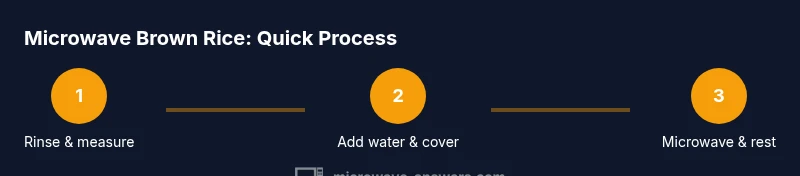
You can cook fluffy, properly textured brown rice in a microwave using a simple 2:1 to 2.5:1 water-to-rice ratio, a microwave-safe dish with a vented cover, and a short resting period after cooking. Rinse the rice first, optionally soak it, then microwave in stages to prevent scorching. This method is fast, minimizes cleanup, and adapts to different rice varieties.
Why microwave brown rice is a practical option
According to Microwave Answers, the microwave method provides a reliable, time-saving way to prepare brown rice without sacrificing texture. For busy households, it offers a predictable alternative to the stovetop, pot, or rice cooker. With the right ratio of water to rice, proper covering, and a short rest period, microwave brown rice can be just as tender and fluffy as traditional methods. This approach reduces kitchen heat, minimizes stove usage, and supports meal-prep routines. If you’re new to brown rice or short on time, this guide helps you achieve consistent results with minimal fuss.
Beyond speed, microwave preparation supports portion control and batch cooking. By making a larger batch and refrigerating or freezing portions, you can reheat quickly for future meals with little loss of texture. The technique also pairs well with a wide range of seasonings, vegetables, and proteins, making it a versatile foundation for weeknight bowls, stir-fries, or grain-based salads.
Factors that influence texture: rice type, water, and equipment
Brown rice varieties vary in grain length, bran thickness, and moisture absorption. Short- to medium-grain types tend to be softer when cooked, while long-grain brown rice can stay firmer with a distinctly separate texture. The amount of water and the lid or cover you use plays a major role in steam generation and even cooking. A vented lid or microwave-safe plate allows steam to escape safely, preventing pressure buildup or soggy bottoms. The choice of container — glass, ceramic, or microwave-safe plastic — should be clean, large enough to prevent overflow, and rated for microwave use.
Other equipment considerations include whether your microwave has uneven heating zones. If your appliance tends to hotspot, rotating the dish halfway through cooking or using a turntable can help. For very small quantities, you may opt for a shallower dish to promote faster evaporation, while larger batches do better in a deeper bowl that holds heat and steam more effectively.
Pre-rinse, soak, and drainage: prep steps for best results
Rinsing brown rice removes surface starch that can make cooked grains cling together. Rinse under cold running water until the water runs clear, then drain well. Soaking is optional but can shorten cooking time and improve texture by allowing grains to absorb water evenly. If you choose to soak, aim for 15–20 minutes; drain before cooking. For very firm or old rice, a longer soak (up to 40 minutes) can help, but keep track of time to avoid over-softening.
Before microwaving, measure your rice and water accurately. A common starting point is 1 cup brown rice to 2 to 2.5 cups water, depending on the desired texture and the rice variety. Letting the rice rest briefly after rinsing can also improve the final texture by giving starches time to rehydrate in a controlled way.
Step-by-step microwave method: getting the texture right
This section provides a practical workflow you can follow in a standard microwave. Use a microwave-safe dish with a vented lid or a plate as a loose cover to allow steam to escape. Start with the rice and water in the correct ratio, add a pinch of salt if desired, and seal or cover to trap steam. Microwave on high for a portion of the total time, then reduce power to finish cooking, followed by a brief rest to let steam continue to cook the grains.
If your microwave has uneven heating, rotate the dish midway and check for any scorching around the edges. Adjust the water slightly if you notice the liquid evaporating too quickly or if the grains appear dry. Let the cooked rice stand, covered, for 5–10 minutes to finish steaming and to help grains set for fluffiness.
Troubleshooting: common issues and fixes
Overcooked or gummy rice typically results from too much water or overcooking time. If your rice is soft and sticky, drain excess moisture and let it rest longer, or reduce the water by ¼ cup next time. Undercooked grains are usually a sign of not enough water or too short a cooking window; add ¼–½ cup water and reheat briefly, then let rest again.
Another common issue is uneven texture due to microwave hotspots. If you notice uneven cooking, stir halfway through or rotate the dish and cook in shorter bursts with a brief pause between cycles. For very small quantities, reduce the total water slightly to prevent soggy edges. Finally, if you’re adding flavor, avoid overly aggressive seasonings that could overpower the natural aroma of brown rice.
Serving ideas and storing leftovers
Fluffy brown rice pairs well with vegetables, legumes, lean proteins, and bold sauces. Consider adding a touch of olive oil or a pat of butter for gloss and richness after cooking. For meal prep, portion the rice into airtight containers once cooled and refrigerate for up to 4–5 days, or freeze for longer storage. Reheat gently in the microwave with a splash of water to restore moisture and texture.
Quick flavor boosts include soy sauce, lemon zest, garlic, herbs, or a drizzle of sesame oil. Mix in roasted vegetables or chickpeas for a complete, nourishing meal. If you’re preparing multiple grains, keep a consistent rice-to-water ratio for uniform results across varieties.
Tools & Materials
- Brown rice (rinsed)(Use 1 cup as a base measure; adjust for serving size.)
- Water or broth(Water is standard; broth adds flavor.)
- Microwave-safe dish with lid or vented cover(Deep enough to prevent overflow during boiling.)
- Measuring cups/spoons(Accurate rice-to-water ratio matters.)
- Fork or rice paddle(Fluffs grains after rest.)
- Salt or seasoning (optional)(Add to taste just before cooking.)
- Timer or microwave clock(Monitor cooking intervals.)
- Optional: microwave-safe steamer lid(Helps evenly trap steam for delicate batches.)
Steps
Estimated time: Total: 25–40 minutes
- 1
Measure and rinse rice
Measure 1 cup brown rice and rinse under cold water until the water runs clear. This removes surface starch that can make grains gluey. Drain well before cooking.
Tip: Rinse until the water is clear to start with a clean, fluffy result. - 2
Optional soak (15–20 minutes)
Soak the rinsed rice in water for 15–20 minutes if you have time; this prehydrates the grains and can reduce cooking time. After soaking, drain thoroughly.
Tip: Soaking can improve texture, but it’s not mandatory for every batch. - 3
Add water and seasonings
In a microwave-safe dish, combine the rinsed (and possibly soaked) rice with 2 to 2.5 cups water per 1 cup rice. Add a pinch of salt if desired. Cover with a vented lid or plate.
Tip: Use a wide, shallow dish to allow even heat distribution. - 4
Microwave on high, then finish at medium
Cook on high for 9–12 minutes, then reduce power to 60–70% for another 6–8 minutes, or until the liquid is absorbed and grains are tender. If your microwave cycles unevenly, rotate the dish halfway through.
Tip: Avoid opening the lid during cooking to keep steam locked in. - 5
Rest the rice
Let the dish stand, covered, for 5–10 minutes after cooking. This steam finish helps the grains set and prevents crunchiness.
Tip: Rest time is essential for fluffiness. - 6
Fluff and serve
Fluff with a fork, then serve hot or portion for storage. If saving leftovers, cool to room temperature before refrigerating to preserve texture.
Tip: Fluffing prevents clumps and promotes even texture.
Common Questions
How long does it take to microwave brown rice?
Most batches take about 25–40 minutes total, depending on microwave power and rice quantity. Start with a shorter window and adjust for your appliance. Always let the rice rest 5–10 minutes after cooking.
Most brown rice microwaves take about 25 to 40 minutes in total, depending on your microwave. Let it rest a few minutes before serving.
Should I rinse brown rice before microwaving?
Yes. Rinsing removes surface starch that can make the rice gummy. Use cold water and rinse until the water runs clear before cooking.
Yes—rinse until the water runs clear to reduce gumminess before microwaving.
Can I microwave brown rice with the lid on?
Use a vented lid or a plate to cover. A vented lid traps steam without causing pressure buildup, which helps even cooking.
Use a vented lid or a plate so steam escapes safely and the rice cooks evenly.
Can I freeze microwaved brown rice?
Yes. Cool cooked rice quickly, portion, and freeze in airtight containers. Reheat with a splash of water to restore moisture.
Yes, you can freeze cooked rice and reheat it later with a little water to rehydrate it.
What texture should brown rice have when done in the microwave?
It should be tender with a slight bite, and the grains should be separate rather than mushy. Resting helps achieve this.
It should be tender with a pleasant bite and separated grains after resting.
Watch Video
Main Points
- Microwave brown rice with a reliable water-to-rice ratio for fluffy results
- Rinse (and optional soak) to improve texture and reduce chewiness
- Cover to trap steam; rest after cooking for even texture
- Rotate the dish if your microwave heats unevenly to avoid hotspots