How to Make Microwave Rice: Quick, Fluffy Results in Minutes
Learn an easy, reliable method to make fluffy microwave rice with simple water ratios, timing ranges, and flavor ideas for white and brown rice alike.


How to make microwave rice quickly and reliably: measure your rice and water, choose white or brown rice, and cover the dish to trap steam. This method uses standard water ratios, a microwave-safe container, and a brief resting period for fluffy, perfectly cooked grains. Ideal for weeknights, meal prep, and flexible cooking.
What makes microwave rice work
According to Microwave Answers, microwave rice is a practical solution because microwaves heat water rapidly, turning it into steam that nourishes the grains from the inside out. When you use a covered, microwave-safe vessel, the trapped steam uniformly cooks the rice while minimizing splatter. The result should be tender grains with separate, distinct texture rather than gluey clumps. This section lays the groundwork for understanding texture, timing, and safety so you can adapt the method to different rice types and household wattages.
Choosing the right rice type
Rice comes in many varieties, and the best choice for a microwave method depends on your texture preference and cooking time. White rice typically cooks faster and yields light, fluffy grains with less chew, while brown rice offers more bran and a nuttier flavor but requires longer cooking and more water. Short-grain varieties tend to be stickier, whereas long-grain types separate more easily. For beginners, starting with standard long-grain white rice is a reliable path before experimenting with brown or specialty rices. Rinsing is optional but can reduce surface starch and improve texture for some cooks, especially if you notice a cloudy finish after the cooking cycle.
Water ratios and measurement methods
The key to consistent microwave rice is the water-to-rice ratio and how you measure it. A common starting point is about 1 cup of uncooked white rice to 1.5 to 2 cups of water, depending on how soft you like your rice and the efficiency of your microwave. Brown rice usually needs more water and a longer cook time, roughly 2 cups of water per 1 cup of rice. If you’re cooking more than one cup of rice, keep the ratios steady and avoid overfilling the dish, which can lead to uneven cooking. If your microwave runs hot or you’re cooking a denser grain, you can reduce the total volume in a single bowl or split into two bowls to ensure even heating.
Rinsing, soaking, and prepping
Prepping rice properly helps achieve a better texture. Rinsing the rice under cold water for 10–20 seconds removes surface starch that can make the cooked grains gummy. Some cooks prefer a brief soak (10–15 minutes) to hydrate the grains a bit before microwaving, which can improve evenness. After rinsing and optional soaking, drain thoroughly and place the rice in a microwave-safe bowl. Add water, a pinch of salt if desired, and a light drizzle of oil or a small pat of butter if you want a richer finish. Cover the bowl with a vented lid or a microwave-safe plate to trap steam.
Step-by-step: the quick method (overview)
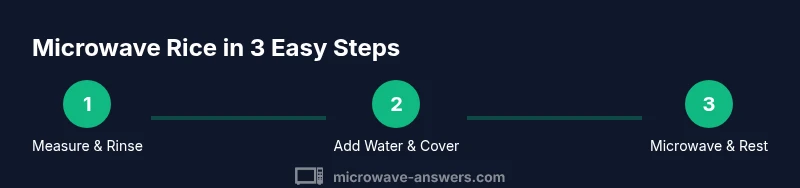
This section provides a concise overview suitable for readers who want to understand the flow before the detailed steps. Measure, rinse (optional), and drain your rice. Add the appropriate amount of water, cover, and microwave on high until the water is absorbed and the rice is tender. Let the rice rest off the heat for a few minutes, then fluff with a fork. The resting period allows steam to complete the cooking process and relax the grains, resulting in a more Even texture.
Flavor and texture adjustments
Rice can be customized with simple add-ins to elevate flavor without complicating the process. Salt and a small amount of butter or neutral oil deepen the taste. You can stir in soy sauce, chickpeas, peas, corn, or toasted sesame oil for a broader flavor profile. If you’re aiming for extra fluffy grains, give the rice a gentle stir after resting and before serving. For brown rice, adding a splash more water during cooking can help achieve a softer texture without sacrificing bite.
Common mistakes and how to fix them
Common issues include gummy texture, crunchy centers, and uneven doneness. Gummy rice often results from too much starch or insufficient rest time; rinse and reduce water slightly next time, then allow for a longer standing period. Crunchy centers usually indicate not enough water or insufficient cooking time, so add a few tablespoons of water and continue microwaving in small increments. Uneven cooking can occur when the bowl is too full or when microwaves are unevenly distributed; cook in smaller batches or rotate the dish halfway through.
Safety and microwave hygiene
Always use a microwave-safe bowl with a proper lid and avoid metal containers. Do not overfill the dish; give space for steam to circulate. Handle hot bowls with oven mitts and avoid touching the rim immediately after cooking, as steam can cause burns. Clean the bowl and lid after use to prevent starch buildup, which can affect texture over time. If your microwave vents steam into the kitchen, ensure the vented lid is properly placed to minimize condensation on nearby surfaces.
Storing and reheating leftovers
Rice can be stored in a shallow, airtight container in the refrigerator for up to 4–6 days. Reheat in the microwave with a splash of water to reintroduce moisture, covering the bowl to trap steam. Stir halfway through reheating to promote even warming. If reheating from frozen, thaw the rice overnight in the fridge or add a few minutes to the reheating time and use a few tablespoons more water to compensate for ice crystals.
Tools & Materials
- Uncooked white or brown rice(Choose white for fastest results; brown for more nutrition and chew)
- Microwave-safe bowl with vented lid or microwave-safe plate(Essential for steam retention and splatter control)
- Measuring cup (1 cup increments)(Accurate measurement improves texture)
- Measuring spoons(Use for salt or flavor boosters)
- Water(Per cup of rice: white 1.5–2 cups, brown 2–2.5 cups)
- Fork or spoon for fluffing(Support grain separation after cooking)
- Optional: salt, butter or oil, herbs(Flavor enhancers, added at the end or during cooking)
- Oven mitts or heat-safe towel(Safe handling of hot bowls)
Steps
Estimated time: 25-40 minutes
- 1
Measure and rinse the rice
Measure 1 cup of uncooked rice. Rinse under cold running water for 10–20 seconds to remove surface starch, then drain thoroughly to minimize gummy texture.
Tip: A fine-mesh sieve makes rinsing quick and effective. - 2
Add water and season
Place the rinsed rice in a microwave-safe bowl. Add 1.5–2 cups water for white rice (adjust toward 2 cups for softer results). Add a pinch of salt if desired.
Tip: Less water yields firmer grains; more water yields softer, stickier rice. - 3
Choose a cooking method
Cover the bowl with a vented lid or microwave-safe plate to trap steam. Ensure the cover seats well to minimize splatter while allowing steam to escape gradually.
Tip: A vented lid prevents soggy bottoms and helps even cooking. - 4
Microwave on high
Microwave white rice on high for 9–12 minutes (times vary by wattage). For brown rice, start with 12–15 minutes. If your microwave runs hot, check at the 8–9 minute mark to avoid overcooking.
Tip: If the water is not fully absorbed by the end, let it stand covered for a few more minutes. - 5
Let the rice rest
After microwaving, remove from heat and let the rice rest, covered, for 5 minutes. Resting lets steam finish cooking the grains and helps prevent a mushy texture.
Tip: Avoid lifting the lid immediately to keep steam trapped. - 6
Fluff and taste
Fluff the rice with a fork to separate grains. Taste and adjust salt if needed, then stir in a small amount of butter or oil if you want a richer finish.
Tip: Fluffing is key to avoiding compacted clumps. - 7
Troubleshooting
If the rice is gummy, reduce the water slightly in your next batch. If it’s crunchy, add a couple of tablespoons of water and continue microwaving in 1–2 minute increments.
Tip: Small incremental adjustments yield consistent results. - 8
Scale for larger batches
For larger batches, maintain the rice-to-water ratio in equal portions and cook in batches if your bowl is too full for even heating.
Tip: Overcrowding leads to uneven texture and undercooked centers.
Common Questions
What is the easiest way to cook rice in a microwave?
The easiest method is to rinse the rice, add the appropriate water, cover the bowl, microwave on high until the water is absorbed, then rest and fluff the grains.
Rinse, add water, cover, microwave, rest, and fluff for best results.
Can I cook brown rice in the microwave?
Yes, brown rice can be cooked in the microwave, but it requires more water and a longer cooking time. Use roughly double the water per cup of brown rice and monitor texture.
Brown rice works in the microwave with more water and time.
Do I need to rinse rice before microwaving?
Rinsing removes surface starch and can prevent a gummy texture, but it’s optional if you prefer firmer grains.
Rinsing helps reduce gumminess, but it’s optional.
What if my rice is undercooked or crunchy?
Add a couple of tablespoons of water, cover, and microwave in short increments until fully cooked.
Add water and microwave in short bursts until done.
Is it safe to cook rice in a microwave?
Yes. Use microwave-safe bowls and lids, and handle hot dishes with care.
Yes, with proper containers and cautious handling.
How should I store and reheat leftovers?
Cool quickly, store in a shallow container in the fridge, and reheat with a splash of water, covered, until steaming hot.
Cool fast, store in a shallow container, reheat with water and cover.
Watch Video
Main Points
- Measure rice and water accurately for consistent texture
- Cover to trap steam and let rice rest after cooking
- Adjust water and time based on rice type and microwave wattage
- Fluff grains before serving for separation and tenderness
- Use safe containers and follow basic microwave safety