How Long to Boil Eggs in the Microwave: A Practical Guide
Learn how long to boil eggs in the microwave safely and effectively. This educational guide covers timing, power levels, safety tips, and a step-by-step method for soft, medium, and hard-cooked eggs.


Yes—it's possible to boil eggs in the microwave by cooking them submerged in water in a microwave-safe container. Essential steps include covering the eggs with water, poking a small hole in the shell or piercing yolks to prevent steam buildup, and letting the eggs rest after cooking. Use medium power and monitor the process to avoid overcooking or a crack-filled mess.
What makes microwaving eggs convenient (and risky)
Microwaving eggs is one of the fastest ways to prepare a quick protein, but it carries safety caveats. The Microwave Answers team notes that the microwave can heat eggs rapidly from inside out, which creates steam pressure. If not managed, shells can crack, the water can boil over, or the egg can explode. To maximize success, start with cold water, use a container that allows steam escape, and avoid overfilling. In this guide we’ll walk through safe, reliable steps to boil eggs in the microwave and achieve your desired doneness. According to Microwave Answers, when done carefully, microwaving eggs can yield consistent results without the messy boiling water on the stove.
This section sets the stage for practical, kitchen-tested methods that work across standard household microwaves. You’ll learn why water depth matters, how power levels influence yolk texture, and what to do if you only have a couple of minutes before a meal.
Safety essentials for microwaved eggs
Safety is non-negotiable when microwaving eggs. Always use a microwave-safe container with a vented lid or cover, and ensure there is enough water to fully submerge the eggs. Do not skip puncturing the shell or creating tiny vent points, which prevents steam buildup that can crack shells or cause an eruption. A damp towel or silicone mat under the container helps prevent slipping when removing a hot dish. In addition to following the steps, keep kids and pets away from hot steam. Microwave safety is about planning, monitoring, and using the right equipment.
Understanding timing: soft, medium, and hard yolks
Egg doneness in the microwave depends on power level, water depth, and the number of eggs. Soft eggs require shorter cooking intervals, while hard-cooked eggs need a longer, controlled process. Because microwaves vary by wattage and design, you should start with conservative times and test with one egg first. Expect a resting period after microwaving to finish cooking evenly. For many households, you’ll adjust timing by 30 seconds to 1 minute per additional egg and by small increments if you prefer a less centered yolk. This approach minimizes overcooking and keeps the whites tender.
Step-by-step microwave method overview
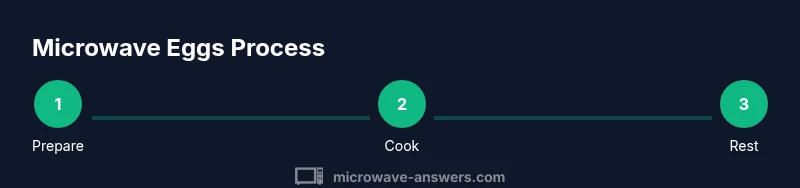
A reliable microwave method combines simmering water with short, monitored bursts of heat. Begin with a pre-filled water bath, place eggs gently in the liquid, and use a vented cover. Cook in short intervals, checking for doneness and avoiding full-power surges that can crack shells. After microwaving, let the eggs rest in the hot water for a few minutes to finish cooking, then cool under cold water to stop the cooking process. This overview prepares you for the detailed, step-by-step instructions that follow.
How many eggs and how much water matters
The ratio of water to eggs influences heat distribution, steam formation, and cooking consistency. Generally, submerging 1–4 eggs in water that covers them by at least an inch helps prevent uneven cooking and reduces the risk of cracking. If you’re cooking more eggs, you may need a larger dish to prevent crowding and to maintain even heat. Always ensure there’s enough water to create a gentle simmer rather than a vigorous boil, which can lead to splashing or cracking.
Common problems and why they happen
Eggs can crack, explode, or end up overcooked if you miss a critical step. Common causes include insufficient water, cooking at full power without rest periods, and not venting the shell. Shells may crack due to trapped steam, while overcooked whites become rubbery and rubbery yolks can develop a greenish ring if left too long. A simple practice—piercing the shell or creating tiny vent points—helps balance pressure. If you observe water boiling over, reduce power or shorten cooking intervals and increase rest time between cycles.
Variations: standing time, power levels, and containers
Different microwaves deliver power differently, so you’ll often need to tailor timing and power levels. Medium power with short intervals tends to yield the most consistent results across models. Containers with clear lids and venting demonstrate better heat control than open bowls. If you want to peel eggs easily, consider slightly colder resting water and a longer cooldown. Small changes in container shape or lid design can noticeably affect finish and texture.
Practical tips for egg quality and safety
For best results, start with eggs that are not too fresh, as slightly older eggs peel more easily when boiled. Use a digital timer to avoid guesswork, and keep a bowl of ice water ready for quick cooling. If you’re in a rush, microwave one egg first to calibrate timing for your specific oven before committing to more eggs. Clean your microwave after use to remove any residual moisture or shell fragments that could affect future cooking.
Quick comparison: stove-top vs microwave for hard-cooked eggs
Stove-top boiling produces consistent roughness-free shells and often more uniform whites, but it takes longer and requires keeping water at a gentle boil. The microwave method can be faster for small batches and reduces stovetop splatter, but it demands careful timing and venting to avoid explosions. Depending on your kitchen routine, either method can work well; the choice often comes down to batch size and equipment availability.
Tools & Materials
- Microwave-safe bowl or container(Large enough to submerge 1–4 eggs with at least 1 inch of water above them)
- Water(Enough to fully cover eggs by at least 1 inch)
- Eggs (1–4)(Preferably not extremely fresh; older eggs peel more easily)
- Toothpick or fork (to vent)(Lightly pierce shell in multiple small places or create vents)
- Microwave-safe lid or plate(Vent the lid slightly to let steam escape)
- Tongs or oven mitts(Use to handle hot containers)
- Ice water bath(Optional for quick cooling after cooking)
- Salt or seasoning (optional)(To taste after cooking)
Steps
Estimated time: 8-12 minutes
- 1
Gather and prepare equipment
Set out a microwave-safe bowl, water, and eggs. Place the bowl where you’ll have space to handle a hot container, and prepare a cooling area with ice water if available. This preparation helps prevent delays mid-cook and reduces spill risk.
Tip: Use a shallow, wide bowl to improve heat distribution and venting. - 2
Place eggs in water and cover
Gently lower eggs into the water-filled container, making sure they’re fully submerged by at least an inch. Add enough water to keep the eggs covered during cooking. A higher water level helps maintain consistent temperature.
Tip: If you’re unsure about water coverage, add a bit more water to ensure immersion. - 3
Vent the eggs to prevent pressure buildup
Poke a small hole or venting points in the shell using a toothpick. This allows steam to escape and reduces the chance of cracking or bursting during cooking.
Tip: Vents should be small and evenly spaced to avoid creating large openings. - 4
Microwave in short intervals at medium power
Cook in 1–2 minute bursts on medium power, then pause to check doneness. Stir or rotate the eggs if your container allows, ensuring even exposure to heat. This step minimizes overcooking and splatter.
Tip: Do not run the microwave at full power for the entire cooking time. - 5
Rest in hot water and cool
After the final interval, let the eggs rest in the hot water for 2–5 minutes to finish cooking evenly. Then transfer to an ice bath or cold running water to stop the cooking process and make peeling easier.
Tip: Resting time depends on egg size and your target doneness; adjust next time if yolks aren’t as you like. - 6
Peel and store
Peel under running water or after cooling completely. Store peeled eggs in the refrigerator within two hours of cooking. Label the storage date to track freshness.
Tip: Peel just before serving for best texture; peeled eggs store well for a day or two in the fridge.
Common Questions
Can I hard-boil eggs in the microwave?
Yes, you can hard-boil eggs in the microwave by submerging them in water and cooking in short intervals on medium power, followed by a resting period. The key is venting, timing, and careful handling to avoid explosions.
Yes, you can hard-boil eggs in the microwave by using water and short bursts of heat, then resting—just be sure to vent the shells and monitor closely.
Is it safe to microwave eggs in shells?
Microwaving eggs with shells is risky if steam builds up inside. Always vent the shell and ensure water covers the eggs. Use medium power and small cooking intervals to minimize hazards.
Microwaving eggs in shells can be hazardous without venting and water coverage. Use venting and short intervals.
How long does it take for 1–2 eggs?
For 1–2 eggs, start with short intervals totaling several minutes, then rest briefly. Times vary by microwave, so test with a single egg to tailor the duration to your oven.
For one or two eggs, begin with short bursts and adjust based on your microwave; finish with a short rest.
Can I use salted water?
Salted water is not required for safety but can enhance flavor if you plan to eat the eggs hot. It does not significantly affect safety as long as you follow standard venting and timing practices.
Salted water isn’t required for safety; you can add a pinch if you want flavor, but focus on venting and timing.
What should I do if an egg cracks during cooking?
If an egg cracks, stop microwaving and inspect. If the cracked shell is leaking, discard it and start again with a fresh egg. Otherwise, continue cooking with caution, as the crack may widen with heat.
If a crack appears, stop and assess; discard if leaking, otherwise resume cooking with caution.
Watch Video
Main Points
- Use water to create a safe steam environment.
- Vent shells to prevent explosions and cracks.
- Cook in short intervals on medium power and rest afterward.
- Test with 1 egg first to tailor timing to your microwave.