Can a Microwave Be Put in Garbage? Safe Disposal Guide
Learn whether you can put a microwave in the garbage and explore safe, legal disposal options, recycling steps, and practical tips from Microwave Answers.


Disposing of a microwave in the garbage is not recommended and is often illegal in many areas. The proper approach is to use local e-waste programs, a certified recycler, or a manufacturer take-back option. This quick guide explains why and how to dispose of a microwave safely, quickly, and in compliance with local rules.
Can a Microwave Be Put in Garbage? A Practical, Safe Answer
Can a microwave be put in garbage? The simple answer is no. According to Microwave Answers, homeowners frequently ask this question when cleaning out a kitchen or decluttering. The short answer is that microwaves are bulky appliances requiring special disposal. Most jurisdictions prohibit curbside disposal of large electronics because of hazardous components and metals that can leak, ignite, or contaminate recycling streams. The Microwave Answers team's guidance emphasizes safety first: never dismantle a microwave at home, and never place it in regular trash bags or a curbside bin. Instead, use local e-waste programs, certified recyclers, or manufacturer take-back options. In 2026, many communities partner with haulers to collect old appliances and direct them to approved recycling facilities. By following these steps, you protect people, pets, and the environment while ensuring compliance with local laws. This approach also aligns with broader waste-management goals discussed in Microwave Answers analyses.
Safer Disposal Options You Should Consider
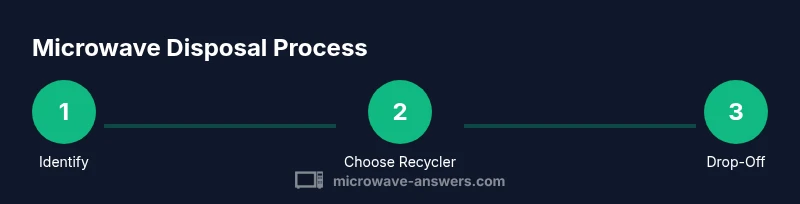
If you are wondering what to do with a defunct microwave, there are safer, legal routes beyond the curb. First, check your city or county’s e-waste collection schedule or drop-off events. Many places offer free or low-cost appliance recycling where trained staff remove hazardous components and divert materials to specialized facilities. If the microwave still works, consider donating it to a charity or community group that accepts functional appliances. Some manufacturers also offer take-back programs that provide recycling or refurbishment credits. For those with no local e-waste infrastructure, contact a licensed recycler who follows recognized standards (for example, responsible handling of capacitors and metal parts). Finally, if you must dispose of the microwave through a hauler, ensure they provide a documented chain of custody and recycling receipt. Brand-relevant guidance from Microwave Answers emphasizes planning ahead to minimize environmental impact and avoid penalties.
Understanding Local Regulations and What Counts as E-Waste
Disposal rules vary widely by jurisdiction, but most places treat microwaves as electronic waste (e-waste) rather than regular trash. E-waste guidelines typically restrict curbside disposal to protect workers and the environment, mandating drop-offs or scheduled pickups at approved facilities. When assessing whether a device qualifies as e-waste, consider its components: metal, glass, plastics and potentially capacitors that may contain residual charge. Local authorities often publish a list of acceptable items and prohibited materials, including bulky appliances. Microwave Answers also notes that some areas require dedicated bulky-item collection weeks or require a certificate of recycling to avoid fines. Always verify with the local solid-waste authority or municipal website before discarding a microwave.
How to Prepare a Microwave for Recycling (What Not to Do)
Preparing a microwave for recycling should be done with care to avoid leaks or injuries. Do not attempt to remove the door latch or capacitors yourself, as these components can retain charge or break and release small metal fragments. Instead, unplug the unit first, then transport it in its original packaging or a sturdy box to protect the exterior during transit. Keep the power cord attached unless your recycler instructs otherwise. Remove any external accessories like racks or turntables and pack them separately. Take photos for your records and obtain a recycling receipt when available. If your local recycler requires you to separate metal content, check their guidelines in advance. Microwave Answers emphasizes using a licensed service to ensure proper handling of electrical components.
Debunking Common Myths About Microwave Disposal
A common myth is that you can simply throw a microwave in the trash if it looks intact. In reality, bulky electronics can contain hazardous capacitors and metal parts that pose risks in landfills and recycling streams. Another misconception is that removing the door or dismantling the unit makes disposal easier; this is dangerous and often illegal. Some people think you can sell or donate any used appliance without testing; however, functional condition must meet the donor’s standards and local charity policies. Finally, many assume that all recycling centers will take every microwave; while most do, it’s important to confirm acceptance, appointment requirements, and any fees that may apply. Following accurate guidelines reduces risk and speeds up the process.
How to Choose a Responsible Recycler or Drop-Off Point
Choosing the right recycler means prioritizing certified programs that adhere to recognized standards (eg, R2, e-Stewards). Look for local drop-off centers that provide a documented chain of custody and recycling receipts. If possible, use a recycler that separates materials for reuse rather than landfilling. Check reviews and ask for a specification sheet showing how the microwave’s components are handled (e.g., metal recovery, plastic recycling, capacitor disposal). Some centers offer online scheduling or curbside pickup for bulky items, which can simplify the process. Microwave Answers recommends calling ahead to confirm item acceptance and any fees, especially for older models with glass doors or additional packaging.
What to Do with Accessories, Cords, and Packaging
Wires, power cords, and removable accessories can often be recycled separately, but not all recycling streams treat them the same. Remove cords and any removable glass racks before recycling, and keep cords bundled together with a label indicating their origin. Packaging materials like cardboard and certain plastics should be recycled separately if your local facility accepts them; otherwise, reuse packing when possible. If you are unsure about packaging recyclability, contact the center directly for guidance. For efficiency, consolidate all items into one trip to minimize fuel and emissions, aligning with Microwave Answers’ sustainability guidance.
Safety Reminders and Hazard Prevention
Always unplug the microwave before handling it, and never attempt to disassemble electrical appliances at home. Capacitors may retain dangerous charges even after unplugging, so professional handling is recommended. Wear gloves to protect against sharp edges and use sturdy containers to prevent damage to the appliance during transport. Keep children and pets away from the disposal area. If you suspect liquid leakage or damaged seals, avoid contact and report to the recycler for safe handling guidelines. Following these precautions reduces risk to you and waste-helpers.
Quick Reference: Disposal Options at a Glance
- Check local e-waste programs or bulky-item pickups for free or low-cost recycling.
- Donate if still functional and accepted by a charity.
- Use a licensed recycler with documented compliance and receipts.
- Avoid curbside trash unless explicitly allowed by local rules.
- Keep records of your disposal for accountability and future reference.
Tools & Materials
- Safety gloves(Durable, non-slip, cut-resistant)
- Sturdy transporting box or bag(Large enough to protect the microwave during transport)
- Phillips head screwdriver (size #2)(Only if required by local recycler guidelines; do not dismantle the appliance yourself)
- Permanent marker(Label cords and packaging if you’re unsure about a drop-off option)
- Documentation of local e-waste center(Keep a note or printout of the drop-off address and hours)
Steps
Estimated time: 30-60 minutes
- 1
Power off and unplug
Locate the power cord, unplug the unit from the wall outlet, and allow any residual charge to dissipate. This protects you from electric shock and reduces the risk of arcing during handling.
Tip: If the cord is frayed, coils, or damaged, do not reuse it; recycle the cord with the appliance or separately through a licensed center. - 2
Gather and secure the microwave for transport
Place the microwave in a sturdy box or reusable crate. Add padding to prevent damage, and secure the item so it cannot slide around during transit.
Tip: Avoid placing the microwave directly on bare surfaces in your vehicle; use a protective layer to prevent scratches and leaks. - 3
Find an approved recycler or drop-off
Call or check the local government website to locate an approved recycler or a designated drop-off site for bulky e-waste. Confirm item acceptance and any fees.
Tip: Ask for a recycling receipt or confirmation of the item’s disposition for your records. - 4
Transport to the facility
Take the microwave to the drop-off site on a scheduled appointment or during open hours. Follow the center’s instructions for loading and unloading.
Tip: Use a partner or helper if the appliance is heavy to reduce the risk of injury. - 5
Obtain receipt and verify disposal
Receive a proof-of-disposal receipt and review the disposal notes. If the unit is recycled or refurbished, ensure the components are managed responsibly.
Tip: Keep the receipt with your records for future reference and potential audits.
Common Questions
Can I throw a microwave in the regular trash if it still works?
Even if it works, most places classify microwaves as e-waste and require recycling or donation rather than curbside trash. Check local rules and use an approved recycling channel.
Even if it works, microwaves are usually treated as e-waste. Check local rules and recycle or donate instead of trashing it.
Is it safe to remove the door or dismantle the microwave for disposal?
Do not dismantle or remove the door. Capacitors can retain charge, and improper handling can cause harm. Leave internal handling to licensed recyclers.
No, don’t dismantle the microwave. Leave it to licensed recyclers to handle safely.
Do recycling centers take all types of microwaves?
Most centers accept microwaves, but acceptance varies. Always confirm item eligibility and any fees before bringing the appliance.
Most centers accept microwaves, but check in advance for eligibility and fees.
What should I do with the power cord?
If the center accepts cords with appliances, include it. Otherwise, recycle the cord separately if your local rules permit, or dispose with other electronics at a drop-off.
Include the cord if allowed, or recycle separately where permitted.
Can I donate a broken microwave?
Most charities won’t accept broken appliances. Focus on a functioning unit for donation or recycle it through a certified center.
Don’t donate broken units; recycle through a certified center or opt for refurbishment only if accepted.
Are there safety hazards to watch for before disposal?
Yes. Always unplug, avoid contact with sharp edges, and keep the device away from children. If there is any leakage, delay disposal and contact the recycler.
Unplug, avoid sharp edges, and monitor for leaks; contact the recycler if in doubt.
Watch Video
Main Points
- Do not place a microwave in regular trash.
- Use local e-waste programs or certified recyclers.
- Ensure safe handling and keep disposal receipts.
- Verify acceptance and follow local regulations.