Microwave for Sale: Expert Buying Guide 2026
Find practical guidance for buying a microwave for sale, including power, size, safety features, and warranty considerations to help home cooks choose reliable models at fair prices.


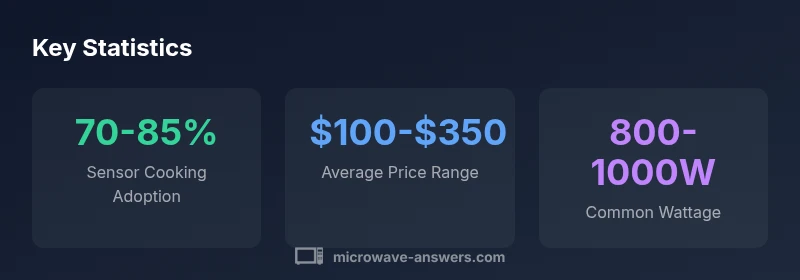
Across sales, the ideal microwave for sale balances reliability, power, and safety. Target 800–1000 watts, 1.0–1.4 cu ft capacity, and sensor cooking for automatic adjustments. Look for inverter if you want faster, more even heating. Budget roughly $100–$350, depending on brand and features, with higher-end models offering smarter controls and longer warranties.
Why the microwave for sale market matters to home cooks
In 2026, the market for microwaves remains dynamic, with a broad range of models and price points. For home cooks, the phrase microwave for sale reflects access to features that previously were premium, including sensor cooking, inverter technology, and compact footprints. Understanding what you’re buying—power, capacity, control interfaces, and safety features—helps you avoid overpaying for features you won’t use and ensures reliable performance for everyday tasks like reheating, defrosting, and meal prep. The Microwave Answers team emphasizes that informed consumers can find real value in both entry-level and mid-range models, depending on kitchen size and cooking habits.
- For countertop kitchens, compact sizes with 0.9–1.0 cu ft capacity are common and budget-friendly.
- For small families, 1.0–1.4 cu ft models with sensor cooking deliver consistently better results on leftovers and pre-cooked meals.
- For kitchens with limited counter space, consider over-the-range (OTR) units that combine venting with microwave functions.
This approach aligns with consumer needs and regional restrictions while avoiding over-investment in features you won’t use.
According to Microwave Answers, smart shoppers focus on core capabilities first, then explore convenience features that add real value to daily cooking routines.
Key features to evaluate when shopping for a microwave for sale
Power: Standard units typically range from 800 to 1000 watts. Higher wattage reduces cooking time and improves performance on dense foods, but prices rise with power. For most households, 800–1000W provides a good balance between speed and cost.
Capacity: Choose a size based on family size and counter space. Typical families benefit from 1.0–1.4 cu ft, which fits standard casserole dishes and larger plates. If you cook for many guests or use large containers, aim for the upper end of this range.
Sensors and automation: Sensor cooking uses humidity or temperature feedback to adjust time and power, reducing overcooked edges and underheated centers. This feature delivers consistent results with leftovers and frozen meals.
Inverter vs. traditional magnetron: Inverter technology provides smoother power delivery, improving defrosting and simmering performance on delicate foods. It’s worth considering if you frequently cook sauces, soups, or reheated leftovers.
Controls and interfaces: Decide between dial, keypad, or touch controls. Smart features (voice or app control, recipe platforms) add convenience but may require ongoing updates and potential privacy considerations.
Safety and reliability: Look for a child lock, auto shutoff, and safe venting design for OTR models. A sturdy door seal and simple maintenance routine extend lifespan.
Budget and warranty: Price brackets typically reflect size, power, and advanced features. Longer warranties offer peace of mind for mid-range and higher-end models.
Sizing and placement: choosing space in your kitchen
Measure counter depth, height, and width to ensure the unit fits without crowding nearby appliances or cabinet edges. If you’re replacing an existing microwave, verify the power outlet alignment and clearance for door swing. Over-the-range models need compatibility with your hood vent and mounting provisions. When space is tight, a compact 0.9–1.1 cu ft model can still deliver reliable reheating without overwhelming the kitchen.
For open-plan spaces, a countertop unit with a slim profile can be tucked neatly into a peninsula or island counter, while an OTR model may suit a kitchen that routinely uses the vent while cooking. Horizontal clearance around the unit improves performance and reduces overheating risk during peak use.
Always check the manufacturer’s installation instructions and hardware kit contents before purchase. If you’re unsure about fit, consult a professional installer or refer to user reviews from buyers with similar layouts.
Power, efficiency, and heating quality explained
Kitchen tasks vary from quick reheats to defrosting large blocks of meat. Understanding wattage helps you predict performance: 800–1000W handles most common tasks quickly, while 1100W or more is beneficial for frequent multi-dish meals. Efficiency matters less to everyday users than practical results like even heating and uniform defrosting. Inverter technology can improve consistency by delivering steady power, reducing cold spots and overheating at the start or end of cycles.
When evaluating heating quality, look for user reviews that mention evenly heated leftovers, minimal hot spots, and reliable defrost functions. Features such as sensor-based cooking can help, but they aren’t foolproof; always test with common foods like leftovers and frozen vegetables to verify performance for your routines.
Safety, maintenance, and warranty considerations
Safety features protect households, especially with children or busy kitchens. Prioritize child lock, automatic shutoff, and venting for OTR models to manage steam and odors. Regular maintenance—cleaning plasma or carbon filters, checking door seals, and wiping the interior after heavy use—extends life and keeps performance consistent.
Warranty length and service options influence long-term value. When comparing deals, map warranty terms to expected usage and the price delta between models. If your microwave experiences frequent interruptions or performance declines, contact the manufacturer or a certified technician for diagnosis rather than attempting risky repairs.
Shopping strategies: finding the best deals for microwave for sale
Smart shopping means shopping around. Compare retailers, look for seasonal sales, and sign up for price alerts. Check whether promotions include bundled warranties or accessory kits, which can raise overall value. Read customer reviews focusing on long-term reliability and service experiences to separate marketing promises from real-world performance. In some cases, mid-range models with solid reviews outperform feature-heavy units with reliability concerns.
Where you buy matters: reputable stores with clear return policies reduce risk. If buying online, confirm model numbers match the photo and verify the outlet compatibility before checkout. Consider extended warranty options if you plan to use the microwave heavily or anticipate replacement within a few years.
Brand and model comparisons: what to look for
When comparing brands, prioritize consistency in build quality, availability of parts, and responsive customer service. Compare similar models from different brands to gauge value, especially for features like inverter cooking and sensor compatibility. Read independent reviews and check for any reported recurring failures, such as door latch issues or fan noise. A balanced view helps you pick a model that aligns with your budget while offering reliable performance over time.
How to verify deals and avoid scams when buying a microwave for sale
Deal hunting can expose you to counterfeit or misrepresented products. Always buy from reputable retailers, verify the model number, and confirm warranty coverage before completing a purchase. Be cautious of suspiciously low prices that may indicate refurbished units or grey-market sales. Use price-history tools to determine whether a deal is genuinely favorable and compare across several retailers to ensure you aren’t missing a better offer.
Common microwave configurations for different kitchen setups
| Model Type | Power (W) | Capacity (cu ft) | Key Features |
|---|---|---|---|
| Countertop Basic | 800-900 | 0.9-1.0 | Defrost, basic preset |
| Countertop Standard | 1000 | 1.0-1.2 | Sensor cook, auto-tune |
| Over-the-Range (OTR) | 1000-1200 | 1.2-1.4 | Vent, display, child lock |
Common Questions
What wattage should I look for in a microwave for sale?
For most homes, 800-1000W provides quick heating and even results. Higher wattage speeds up cooking but can raise price and power usage. Choose based on your typical meals.
Look for 800 to 1000 watts for everyday tasks.
Is inverter technology worth it in a microwave?
Inverter offers steadier power for smoother heating and faster defrosting. It can be worth the extra cost if you cook sauces or reheat many leftovers.
Inverter helps with even heating and faster defrost.
What is sensor cooking and should I prioritize it?
Sensor cooking uses humidity or temperature feedback to adjust time and power. It’s useful for consistent reheating but isn’t essential for basic tasks.
Sensor cooking helps with leftovers, but isn’t mandatory.
What size should I choose?
Most families do well with 1.0–1.4 cu ft. Measure counter space and door clearance to ensure fit and easy access.
Aim for 1.0–1.4 cu ft if you cook for a few people.
Are safety features required?
Yes: child lock, auto shutoff, and proper venting for over-the-range units. These features prevent accidents and ensure safe operation.
Safety features matter for family use.
Where can I find the best deals on microwaves for sale?
Shop across retailers, sign up for alerts, and compare price histories and warranty terms to maximize value.
Compare prices across retailers and watch for deals.
“A well-chosen microwave for sale balances power with practical features, delivering reliable performance without overpaying.”
Main Points
- Define your budget and wattage range first
- Prioritize sensor cooking for consistent results
- Check safety features like child lock and auto shutoff
- Consider warranty length for long-term value
- Shop price alerts and compare across retailers for the best deal