Whirlpool Low Profile Microwave: A Practical How-To Guide
Learn how to select, install, and maintain Whirlpool low profile microwaves with practical safety tips, troubleshooting steps, and a clear install checklist from Microwave Answers.


This guide explains how to select, install, and maintain a Whirlpool low profile microwave. You’ll learn how to assess cabinet fit and power needs, compare install kits, route ventilation, and secure the unit safely. It also covers safety tips, common troubleshooting steps, and a practical maintenance routine to keep your compact microwave performing reliably.
Whirlpool Low Profile Microwave: What Sets It Apart
Whirlpool's low profile microwave line is designed for compact kitchens where depth matters as much as wattage. The result is a space-saving appliance that still offers essential comfort features like sensor cooking, even-heat reheating, and straightforward controls. In this guide, the Microwave Answers team explains how to assess fit, compare models, and install safely, with practical tips you can apply in a weekend project. According to Microwave Answers, these units balance a slim footprint with reliable performance, making them a popular choice for kitchen renovations and small homes. Whether you're updating an existing over-the-range setup or planning a built-in installation, understanding the essentials will help you avoid common pitfalls and maximize value. This article stays focused on practical steps, safety, and long-term care.
Fit and Sizing: Verifying Cabinet Depth and Vent Clearance
Before you buy or mount, confirm both the external depth and internal clearance required by the model. Measure cabinet depth from wall to front edge, then subtract hinge and door clearance to ensure the microwave will not protrude or rub. Check the unit's official depth specification and compare it to your cabinet opening; a mismatch can require a trim kit or a different mounting path. Ventilation is critical: leave several inches of clearance above and behind the unit according to the manual, and keep any nearby heat sources or flammable materials away. Microwave Answers Analysis, 2026 indicates that compact, built-in options remain popular in small kitchens, but correct ventilation is universal for safety and performance.
Power, Venting, and Electrical Setup
Power and venting decisions shape performance. Ensure you have a reliable electrical outlet in the right location and use a dedicated circuit as recommended by the model manual. If the unit vents externally, install the vent kit with properly sealed ducting to minimize heat loss and humidity buildup. If recirculating, verify the charcoal filter and keep it clean for odor control. Always follow the manufacturer’s ventilation guidelines to prevent overheating and ensure efficient operation.
Installation Paths: Over-The-Range vs Built-In
Over-the-range installations combine microwave and hood vent, saving cabinet space but requiring adequate clearance and stable mounting for the hood element. Built-in installations demand precise cabinet fabrication and a clean, finished look with a dedicated enclosure. Your choice should consider kitchen layout, ceiling height, and access to electrical and venting routes. Local codes and your home’s wiring should guide the final decision, with a plan that minimizes clutter and maintains safe appliance operation.
Mounting Hardware and Installation Kits
Mounting hardware includes brackets, screws, anti-tip devices, and vent hoses or ducting. The installation kit supplied by Whirlpool or a compatible universal kit should align with your cabinet depth and the unit’s mounting holes. Verify that brackets engage wall studs or a solid frame and that screws are of the correct length. A poor mounting connection can lead to vibration, noise, or movement, so take the time to assemble and secure all components before final testing.
Safety Essentials: Handling, Venting, and Fire Prevention
Safety starts with powering off the circuit before any work and wearing eye protection when drilling or cutting. Ensure ventilation paths are clear of obstructions and that vent ducts are sealed to prevent leaks. Avoid placing flammable materials near heat-generating components, and never operate the microwave with a damaged door seal. Keep a small fire extinguisher rated for electrical/grease fires accessible and familiarize yourself with the unit’s safety features before first use.
Maintenance and Daily Care for Longevity
Regular cleaning of the interior, exterior, and vent area prevents buildup that could affect performance. Wipe the cavity with a mild, non-abrasive cleaner and avoid harsh chemicals that could damage the enamel. Check the vent filter (if applicable) and replace or clean it per the manual. Inspect door seals for cracks or gaps and replace them if needed. Routine checks will help extend the microwave’s life and maintain even heating over time.
Troubleshooting Common Issues
If the microwave won’t start, verify power at the outlet and ensure the door is fully closed and latched. If heating is uneven, check for obstruction in the vent path or verify the sensor settings. If a loud noise occurs, inspect for loose screws or an unsecured mounting bracket. For persistent problems, consult the installation manual or consider professional service to avoid electrical hazards.
Quick-Start Checklist and Pro Tips
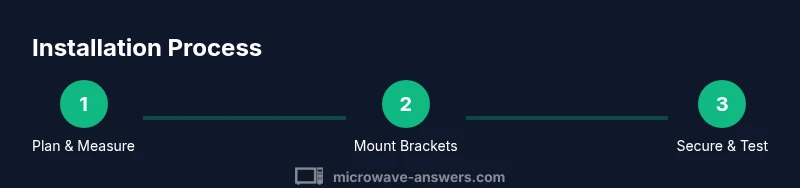
Before first use, confirm fit with cabinet depth and vent clearance, assemble mounting brackets, and connect the vent kit if external venting is chosen. Run a short test cycle to verify door operation, display response, and heat generation. Pro tip: label cables and screws during disassembly to make future maintenance easier. Keep the owner's manual handy for model-specific guidance and warranty details.
What to Expect From Whirlpool Low Profile Microwaves
Whirlpool’s low profile models deliver compact depth without sacrificing essential microwave functions. Expect reliable sensor cooking, multiple power settings, and practical features that simplify daily meal prep. With proper installation and regular maintenance, these units provide steady performance in small kitchens, dorm rooms, or apartments where space is at a premium.
Tools & Materials
- Measuring tape(At least 3 feet; used for cabinet depth and opening measurements)
- Stud finder(Locate wall studs for secure mounting)
- Screwdriver set (Phillips and flat-head)(For mounting brackets and vent screws)
- Drill with appropriate bits(Drill pilot holes and vent openings as needed)
- Whirlpool installation/mounting kit(Use kit supplied with the microwave or a compatible universal kit)
- Vent/ducting kit(External venting requires proper ducting and sealing)
Steps
Estimated time: Total estimated time: 90-180 minutes
- 1
Check compatibility and gather tools
Review the model specifications to ensure your cabinet and vent path align with the Whirlpool low profile microwave. Gather measuring tape, stud finder, screwdrivers, drill, mounting kit, and venting components before you start. Confirm you have a clear, safe workspace and turn off power to the circuit you’ll use.
Tip: Double-check model depth and opening dimensions to avoid a later trim-assembly surprise. - 2
Measure cabinet depth and opening
Measure from the wall to the front edge of the cabinet and compare with the oven’s depth specification. Confirm vertical clearance above the unit and any needed space for doors to open freely. Record all measurements in a notebook to avoid misreads during installation.
Tip: Take multiple measurements from different points to account for slight cabinet variances. - 3
Power down and locate electrical area
Turn off power to the circuit serving the cabinet region. Confirm access to a nearby outlet or plan for a dedicated outlet if required by the model. Do not rely on extension cords; use a properly wired outlet as specified in the instruction manual.
Tip: If your outlet is old or worn, replace it before installing the microwave. - 4
Remove old hardware and prepare mounting area
Carefully detach any existing mounting brackets or trim pieces. Clean the opening and inspect the surrounding cabinet for damage or uneven surfaces. Repair as needed to ensure a level mounting surface.
Tip: Keep screws organized by size and location to simplify reassembly. - 5
Install mounting brackets and supports
Attach the mounting brackets to the cabinet or wall as per the kit instructions. Align brackets with the microwave’s mounting holes and use appropriate fasteners into studs or solid framing. Verify the brackets are level before proceeding.
Tip: Use a level to ensure bracket alignment; misalignment can cause improper door operation. - 6
Prepare venting path and install vent kit
If external venting, route the ductwork from the cabinet to the exterior, sealing joints with foil tape and weatherproof sealant where appropriate. If recirculating, install the charcoal filter as directed. Ensure there are no sharp bends that restrict airflow.
Tip: Plan the shortest, straightest vent path to maximize efficiency. - 7
Mount the microwave and secure fasteners
Lift the microwave into place and align it with the mounting brackets. Secure the unit with screws, checking that it sits evenly and is not tilting. Recheck venting alignment as you tighten the final screws.
Tip: Have a second person assist to prevent accidental slips or damage. - 8
Connect power and verify outlets
Connect the microwave plug to the outlet or ensure the wiring is properly connected per the manual. If your model uses a hardwired connection, confirm all connections are insulated and secure.
Tip: Test the power connection with a quick startup test before finishing up. - 9
Test operation and ventilation
Power the unit and run a short test cycle to verify that it heats evenly and that the turntable spins smoothly. Check that the vent is drawing air correctly and that there’s no unusual noise.
Tip: Listen for vents’ airflow and test different sensor settings to confirm proper response. - 10
Check door seals and finishes
Inspect the door seal for gaps or wear; replace if needed to ensure proper sealing. Wipe down the exterior to remove dust from mounting and vent areas. Confirm the exterior finish aligns with the surrounding cabinetry.
Tip: A clean seal helps prevent leaks and preserves efficiency. - 11
Document settings and safety checks
Record model details, warranty information, and any specific safety checks you performed. Keep the manual in an accessible place, and note any peculiarities observed during the test run.
Tip: Bookmark the troubleshooting section for quick reference. - 12
Final cleanup and readiness for use
Remove packaging materials, tidy tools, and verify nothing is left behind in the vent area. Place the microwave into normal operation schedule and monitor for any unusual behavior over the first few uses.
Tip: Monitor for odd vibrations or heat buildup during the first uses and revisit mounting if needed.
Common Questions
Can I install a Whirlpool low profile microwave myself?
Yes, if you have basic electrical and carpentry skills and you follow the manual precisely. Turn off power and use the mounting kit as directed. If you’re unsure, hire a professional to avoid safety risks.
Yes, you can install it yourself if you’re comfortable with electrical work and mounting. If not, consider a professional.
Do Whirlpool low profile microwaves require a dedicated circuit?
In most cases, a dedicated circuit is recommended to prevent interference with other devices. Always refer to the model’s manual for the exact electrical requirements.
Most models benefit from a dedicated circuit; check the manual for specifics.
What is the typical depth of Whirlpool low profile microwaves?
Depth varies by model, but these units are designed to be shallower than standard microwaves. Measure your cabinet depth and compare with the model specification.
Depth varies by model; measure your cabinet and compare with the spec.
Can these microwaves vent to the outside?
Yes, many models support external venting with an appropriate vent kit. If recirculating, ensure the filter is installed and maintained.
Yes, many support external venting with a proper kit; or use recirculating venting.
What maintenance is recommended for longevity?
Regular cleaning, inspection of door seals, and periodic vent filter checks help maintain performance and safety.
Clean regularly, inspect door seals, and check vent filters.
What installation kits are needed?
Use the mounting kit supplied with the microwave or a compatible universal kit designed for Whirlpool low profile models.
Use the included mounting kit or a compatible Whirlpool kit.
Watch Video
Main Points
- The Microwave Answers team recommends verifying fit and clearance before installation.
- Decide between over-the-range and built-in layouts early in planning.
- Use the correct mounting kit and proper venting to ensure safe operation.
- Check electrical requirements and ensure a dedicated outlet where possible.
- Follow safety guidelines and perform routine maintenance to extend life.