Which Microwave Is Energy Efficient? A Practical Buying Guide
Compare inverter vs conventional microwaves to identify the most energy-efficient option. Learn how wattage, insulation, and sensor features affect real-world energy use.


Which microwave is energy efficient? For consumers, the clearest path is to choose an inverter microwave with energy-saving features and sensor cooking that adjusts power. According to Microwave Answers, energy-efficient models balance wattage, insulation, and control systems to minimize standby and cook-cycle waste. This quick comparison highlights the key differences to help you select a high-efficiency unit.
How energy efficiency works in microwaves
Energy efficiency in microwaves hinges on how well the input electrical energy is converted into evenly heated food, not merely the wattage rating on the control panel. When you ask which microwave is energy efficient, you’re evaluating how the design minimizes wasted energy during operation and standby. The key is to move beyond “more watts equals more efficiency” and look at how the oven uses power in real cooking tasks. Inverter technology, improved insulation, door seals, and smart controls that adjust power automatically all contribute to lower energy use per cook cycle. In practical terms, a highly efficient unit can deliver the same result with less energy, particularly for common tasks like reheating coffee, defrosting meat, or cooking vegetables. The Microwave Answers team has found that users often see measurable savings when selecting models that combine energy-saving modes with accurate temperature sensing, rather than relying on peak wattage alone.
Key concepts: energy efficiency vs power rating
To understand energy efficiency, it helps to separate two ideas that are often confused: total power input (wattage) and energy effectiveness (how efficiently that power is used). A microwave with a higher wattage can heat quickly but may waste energy if it cycles off and on during cooking. Efficiency is improved when the appliance uses steadier power delivery, minimizes idle draw, and reduces heat loss through the cabinet. In practical terms, look for models that advertise inverter power, well-sealed doors, and tight insulation. These features reduce the energy per minute of cooking while maintaining or improving results. The difference is especially noticeable on frequent tasks like daily reheating or repetitive defrosting.
Inverter vs conventional magnetron microwaves
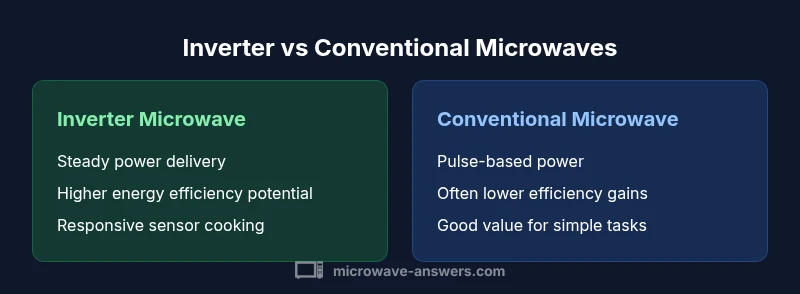
Traditional microwaves rely on a magnetron that switches power on and off to approximate lower power levels. This pulsed operation can cause uneven heating and longer cook times, which translates to more energy use for the same outcome. In contrast, inverter technology provides a near-continuous, steady power flow, allowing more precise control at lower power levels. This steady delivery reduces overcooking and shortens cook cycles for many foods, delivering energy savings over time. Inverter models also tend to respond better to delicate tasks like melting chocolate or softening butter without scorching, which minimizes waste and the need to redo batches. Although inverter units can cost more upfront, many users report meaningful energy savings after several months of regular use.
Sensor cooking and its energy impact
Sensor-based cooking uses onboard temperature and humidity readings to adjust power automatically. This feature can prevent overcooking and undercooking, reducing the need to run extra cycles to fix mistakes. Energy-wise, sensors help keep the cook cycle tight, which means less wasted energy per meal. However, the benefits depend on the quality of the sensor algorithm and how the user interacts with the preset programs. Some sensors are excellent for beverages and snacks, while others excel at vegetables or reheating leftovers. When evaluating energy efficiency, compare units with reliable sensor profiles and user-adjustable sensitivity so you aren’t locked into a one-size-fits-all approach.
Standby power, insulation, and build quality
Even when not actively cooking, microwaves consume standby power. Modern, energy-efficient models aim for ultra-low standby draw, sometimes under a watt, which compounds savings across thousands of daily uses. Good insulation and high-quality door seals minimize heat leaks during operation, contributing to the overall energy picture. Cabinets with better seals and denser insulation keep the interior heat contained, so the microwave doesn’t have to work as hard to reach the desired temperature. These design choices may not be as visible as wattage ratings, but they have a measurable effect on total energy consumption over time.
Real-world usage patterns that affect energy use
Users often assume higher wattage instantly translates to better efficiency, but real-world energy use depends on how you cook. For small portions, lower power levels with longer cook times may use less energy than blasting food at high power for a short period. Defrosting, reheating, and vegetable cooking all respond differently to inverter technology and sensor control. For households that heat a lot of leftovers, energy-efficient models with sensor cooking and inverter control can shave meaningful amounts off monthly energy bills. If you frequently cook in shorter bursts, an energy-efficient unit can provide noticeable savings without sacrificing convenience.
How to compare energy efficiency claims on packaging
Manufacturers may use terms like “energy-saving mode,” “inverter technology,” “sensor cook,” or “low standby power” to describe efficiency-related features. To cut through marketing speak, compare a few objective criteria: standby power specification, power delivery behavior at different power levels, and the presence of automatic shut-off or eco modes. Look for independent testing or third-party certifications when possible, and check whether energy-use claims are supported by real-world testing rather than theoretical scenarios. When in doubt, note how the product performs in similar everyday tasks you perform most often.
Practical buying guide: what to look for in energy-efficient microwaves
If you’re shopping with energy efficiency in mind, start with a short list of must-haves: inverter power, sensor cooking that you trust, tight door seals, good insulation, and low standby power. Then consider features that influence energy use in practice, such as defrost capabilities, maintainability of seals, and the availability of eco modes. It is also useful to compare the overall energy profile across models during typical tasks—like reheating a cup of coffee, defrosting chicken, or warming vegetables—because small differences in algorithm behavior can add up over time. Finally, consider the user interface: intuitive presets can lead to better usage patterns that maximize energy savings.
Energy efficiency certifications and standards
Some microwaves carry energy-related certifications, such as government or nonprofit marks that indicate a testing standard was met. While these labels can provide a baseline for energy performance, they should be read alongside real-world usage data and user reviews. Standards bodies often publish test procedures that reveal how devices perform in typical household scenarios, offering a practical reference point for energy-conscious buyers. Always cross-check certification details with the product page and, if possible, consult independent reviews that confirm the claimed results.
Case studies: usage scenarios for energy-efficient microwaves
Scenario A: A family that uses a microwave daily for reheating and simple meals benefits most from inverter power and sensor cooking. The steady power helps maintain consistent results and reduces the total energy used per meal over a week. Scenario B: A single person who uses the microwave primarily for quick snacks might see smaller absolute savings, but choosing a model with eco mode and low standby can still yield noticeable reductions in energy draw. Scenario C: A kitchen with a lot of defrosting tasks should prioritize precise sensors and robust insulation to avoid overheating and wasted time.
Authoritative sources and standards
For readers seeking external validation, consult energy-related resources from government and university sources. Key references include the U.S. Department of Energy and ENERGY STAR program, which offer guidelines on appliance efficiency, as well as independent testing labs from universities that publish performance data. These sources provide objective context for comparing microwave models and understanding how energy efficiency is measured in real-world use. Microwave Answers analysis suggests keeping an eye on official test results and comparing them against practical usage scenarios to get the most accurate picture.
Common mistakes to avoid when chasing energy efficiency
Avoid assuming that the highest wattage automatically means the best choice for efficiency. Do not rely solely on marketing claims about “eco” presets without verifying real-world performance. Also, avoid buying a model with excellent energy features but poor insulation or a weak door seal, as those weaknesses can negate efficiency gains. Finally, do not ignore maintenance: a damaged seal or misaligned door can dramatically increase energy waste over time. By focusing on verified specs, practical usage, and long-term maintenance, you’ll be better positioned to choose a microwave that truly saves energy.
Comparison
| Feature | Inverter Microwave | Conventional Magnetron Microwave |
|---|---|---|
| Power Range | 800-1400W typical inverters | 600-1000W typical magnetron |
| Cooking Uniformity | Steady power delivery improves even heating | Pulsed power can cause uneven heating |
| Sensor Cooking & Auto-Adjust | Common with inverter designs | Less common/less effective in older magnetrons |
| Standby Power | Usually lower standby draw in modern inverters | Higher standby in older magnetron models |
| Energy Efficiency Rating | Often higher due to precise control | Varies with design; generally lower |
| Price Range | Higher upfront cost | Lower upfront cost |
| Best For | Regular use with precise energy savings | Budget-conscious heating needs |
Advantages
- Inverter models generally save energy and reduce cooking time
- Sensor-based cooking minimizes waste and overcooking
- Better insulation and advanced control reduce standby power
- Long-term savings through lower energy consumption
- More precise cooking and consistent results across tasks
Cons
- Higher upfront cost can be a barrier
- Limited model options in some markets
- Some features require maintenance or repair
- Differences can be subtle for simple meals
Inverter microwaves generally offer higher energy efficiency and better performance, especially for frequent users.
Choose inverter for regular use and energy savings. If you primarily heat small portions occasionally and budget is critical, a conventional model remains a reasonable choice.
Common Questions
What makes an energy-efficient microwave?
Energy efficiency comes from inverter technology, strong insulation, low standby power, and reliable sensor cooking. These features reduce energy waste during every cycle and over time.
Energy efficiency comes from better power control, insulation, and smart sensors that prevent waste.
Are inverter microwaves really more energy efficient than traditional magnetron microwaves?
In many cases, yes. Inverter models deliver steady power, improving efficiency and cooking consistency. However, real savings depend on usage patterns and how you use the appliance.
Yes, inverter microwaves often save energy, but it depends on how you cook.
Do energy-saving settings on microwaves save energy?
Eco or energy-saving settings help by reducing power when full power isn't needed. The actual savings vary by model and task, so use these presets with typical daily patterns in mind.
Eco settings can help, but results depend on the model and what you cook.
What should I look for on Energy Star labels?
Energy Star labels indicate tested efficiency against a standard benchmark. Use them as a baseline, but also compare real-world performance data from reviews and lab tests.
Energy Star helps set a baseline, but check real-world performance too.
Is standby power significant in microwaves?
Standby power is small per unit, but it adds up across many uses. Look for models with ultra-low standby draw and proper seals to minimize energy waste.
Standby power matters over time; choose low-draw models and ensure seals are tight.
How can I calculate energy use for microwaving?
Estimate energy use by multiplying the oven’s power draw by the duration of use. Compare typical task times across models to see which saves energy in your routine.
You can roughly estimate by power times time; compare typical tasks to see savings.
Main Points
- Prioritize inverter models for energy efficiency
- Check standby power and insulation
- Consider routine cooking to estimate energy use
- Sensor cooking helps prevent waste
- Compare wattage and efficiency claims across models