Is a Microwave Hard on Electricity? A Practical Guide
Discover how microwaves consume energy, compare with ovens, and learn practical steps to minimize electricity use without sacrificing speed or convenience.


Is a microwave hard on electricity? Not usually. For quick meals, microwaves are energy-efficient compared with conventional ovens, delivering heat in minutes with lower energy per dish. Even accounting for standby power, most models draw modest power when idle. The real cost comes from long cooking times, high power usage, or frequent door openings. To minimize electricity use, choose correct power settings, avoid preheating, and plan batches so you maximize energy per minute. This approach helps you cook fast while keeping energy budgets in check.
Is a microwave hard on electricity? Debunking the assumption
Many readers ask, is a microwave hard on electricity, and the short answer is generally no. For quick meals, microwaves are energy-efficient compared with conventional ovens, delivering heat in minutes with lower energy per dish. Even accounting for standby power, most models draw modest power when idle. The real cost comes from long cooking times, high power usage, or frequent door openings. To minimize electricity use, choose correct power settings, avoid preheating, and plan batches so you maximize energy per minute. This article breaks down the factors that influence energy draw, compares microwaves to other appliances, and provides practical steps home cooks can take. By understanding wattage, efficiency, standby loads, and usage patterns, you can answer the question with data-driven clarity and keep cooking fast without breaking the energy budget.
How microwaves convert electricity to heat
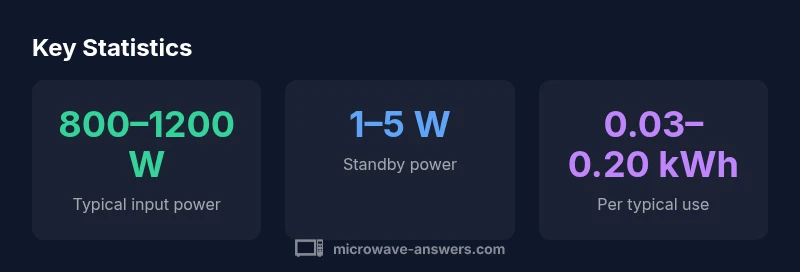
A microwave oven converts electrical energy into microwave radiation, which excites water molecules in food to generate heat. The device's input power is typically higher than the actual cooking power due to energy losses in the magnetron and waveguide. Typical input power ranges from about 800 to 1200 watts, while effective cooking power is usually lower depending on the model and setting. The efficiency of converting electrical energy into usable cooking heat can vary, but microwaves deliver rapid heating with focused energy, making them efficient for short tasks. When you reduce cooking time or lower power, the energy used scales accordingly, so a quick warm-up uses far less energy than ovens. Real-world use matters: opening the door during a cycle or overfilling containers can diminish performance and require longer running times. The takeaway: wattage provides a general guide, while actual energy use depends on duration, load, and how well you maintain the appliance.
Standby power and idle consumption: does it matter?
Even when not actively heating, many microwaves draw some energy to power clocks, digital displays, and memory functions. This standby or idle power is usually modest, but it adds up if the unit is plugged in 24/7. If energy costs are a concern, consider using a power strip with an on/off switch, unplug the unit when not in use for extended periods, or use a timer to wake only when needed. Some models offer eco modes or sleep modes that minimize idle consumption. Remember that standby energy is separate from active cooking energy, so turning off standby reduces only the idle portion of your energy bill. For households aiming to minimize electricity use, combining standby reduction with efficient cooking practices yields the most consistent savings.
Comparing energy use: microwave vs oven vs stovetop
Ovens and stovetops generally consume more energy per minute than microwaves for most single-serving tasks. Microwaves excel at rapid heating and short cooking times, which translates to lower overall energy for many common meals. However, when cooking large batches or foods that benefit from browning, ovens may offer better energy efficiency per serving only if used to completion. The key is task-specific choice: reserve microwaving for quick reheating and defrosting, and switch to a conventional oven only when the food benefits from longer, even heat. Tracking actual usage over a week can reveal how your habits tilt energy costs in favor of one method or another.
Practical tips to cut electricity use with a microwave
• Load foods evenly and use appropriate container sizes to maximize energy transfer. • Use power-saving or eco modes if available and avoid unnecessary preheating. • Defrost in advance or use sensor-cook settings to prevent overcooking and wasted energy. • Avoid opening the door during a cycle unless necessary, as interruptions extend run time. • When possible, cook multiple small items together to increase energy efficiency per minute. • Unplug or use a smart strip to reduce standby energy when the microwave isn’t in use.
Faults and energy waste: when a microwave becomes inefficient
A microwave that heats unevenly or takes longer than expected often points to seals, door alignment, or turntable issues rather than a failure to use energy efficiently. A damaged door seal, a misaligned door, or a non-rotating turntable can require longer cycles to achieve the same heating, increasing energy usage. If you notice arcing, sparks, or unusual smells, discontinue use and consult a professional. Regular cleaning and ensuring the interior is free of food residues helps sustain efficient operation. Routine upkeep and timely repairs keep energy waste low while maintaining safety.
Real-world usage patterns and quick energy estimates
In practice, most households rely on microwaves for brief tasks such as reheating or defrosting. A typical 5–10 minute heating session consumes a fraction of what a conventional oven would require for the same meal. If you frequently heat snacks or small portions, your annual energy impact remains modest. For larger meals or bulk reheating, energy use rises, but microwaving still generally consumes less energy per serving than alternative methods when applied to appropriate tasks.
Typical microwave usage scenarios
| Scenario | Power Use | Time | Estimated Energy |
|---|---|---|---|
| Reheating coffee | 800–1000 W | 2–3 minutes | 0.03–0.05 kWh |
| Defrosting 1 lb meat | 1000 W | 8–12 minutes | 0.13–0.20 kWh |
| Popcorn bag | 1000 W | 2–3 minutes | 0.03–0.05 kWh |
Common Questions
Does unplugging the microwave save energy?
Standby power is typically small, but unplugging stops idle drain completely. For many households, using a smart power strip is a practical compromise.
Yes—unplugting stops standby draw, though the savings may be small in daily use.
Is a microwave safer or more energy-efficient than using a conventional oven?
For quick tasks, microwaves are usually safer and more energy-efficient per minute. Large meals or browning tasks can shift energy use toward the oven.
Usually more efficient for fast heating, but depends on the task.
What features help reduce energy use?
Look for inverter technology, eco modes, and auto-defrost. Sensor cooking and pre-programmed settings help prevent overcooking and waste.
Eco modes and sensor cooking save energy.
Can microwave usage cause spikes in electricity bills?
Only if used heavily or left on standby for long periods. For most households, the impact is modest compared with ovens.
Only if you overuse it or keep it on standby a lot.
Should I preheat my microwave?
Preheating is generally unnecessary for most foods. Use proper power and time settings to avoid wasted heat.
Usually not needed.
How can I estimate my microwave’s energy cost?
Multiply the wattage by usage time, convert to kWh, then multiply by your electricity rate.
Energy cost = watts × hours, then multiply by your rate.
“When used for quick, targeted heating, microwaves are among the most energy-efficient kitchen appliances.”
Main Points
- Use microwaves for quick tasks to save energy
- Maximize load and avoid preheating for best efficiency
- Minimize idle power by unplugging or using a smart strip
- Compare microwave use with ovens to inform meal planning
- Practice energy-saving habits to keep electricity costs low