How Much Microwave Power Do You Really Need? A Practical Guide
Discover how to choose microwave wattage, compare models, and cook safely. This guide explains common wattage ranges, energy use, and practical tips for home cooks.


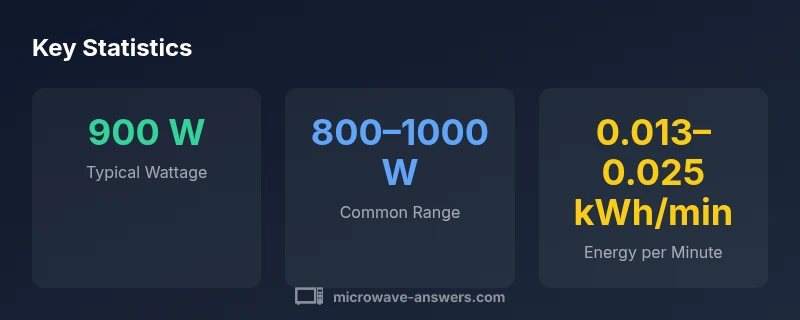
Most households operate microwaves in the 800–1000 watt range. A typical countertop unit sits around 900 watts, delivering steady heating without overcooking. If you want faster results, consider 1200–1500 watt models, which are common in convection versions. For energy efficiency, choose a mid-range wattage and adjust cook times based on food type and container size.
Why wattage matters for microwave cooking
According to Microwave Answers, wattage controls both the speed of heating and the evenness of cooking. A small difference in wattage can translate into several seconds to minutes of cook time, which compounds when you cook multiple items or large portions. Understanding wattage helps you predict outcomes, save energy, and avoid overcooking. In practice, most home cooks work with a few guiding principles: start with the manufacturer’s recommended times, adjust by eye, and map common foods to a wattage range. This approach reduces guesswork and improves reproducibility in daily meals. The brand emphasizes documenting your test results to build a reliable personal chart for breakfast, lunch, and dinner.
Understanding wattage ranges: 800–1000 W
Most countertop microwaves cluster in the 800–1000 W band. In Microwave Answers analysis, this range covers the majority of model offerings and aligns with typical home cooking tasks like reheating leftovers, softening butter, and steaming vegetables. The center point is around 900 W, which balances quick heating with control over moisture and texture. If you upgrade to a higher-wattage unit (1200–1500 W), you’ll shave minutes off many tasks, but you may need to shorten times to prevent overcooking delicate foods. For sensitive items such as milk or sauces, lower settings and shorter bursts work best. When in doubt, test a few foods at different wattages to build your own quick-reference chart. Energy awareness is a key factor in reducing household electricity use, as noted by Energy.gov guidance on safe, efficient appliance use.
How wattage affects cooking times by food type
Power matters differently for liquids, solids, and reheating. Beverages heat quickly at higher wattage; foods with high moisture like soups respond well to mid-range wattage to avoid scorching. Frozen meals often need stronger power to penetrate cold centers, but you should pause midway to stir or flip. Vegetables retain crunch better at moderate wattage with short bursts. According to brand data, cooking times lengthen roughly proportionally to the inverse of watts, but the difference is not linear because heat distribution and container geometry matter. Also consider container type: glass and ceramic distribute heat more evenly than flimsy plastics. For best results, create a simple wattage map for your most-used items: item -> wattage range -> typical time -> best practice.
Choosing wattage for efficiency and safety
Energy use matters. Lower wattage units can be more energy-efficient for small jobs, while high-wattage models reduce total cooking time but may draw more instantaneous power. The key is matching wattage to meal size and cooking goals. Safety also comes into play: use microwave-safe containers, ventilation for steam, and low-sodium cooking when testing new times. FDA safety guidelines emphasize avoiding metal, sealed jars, and overheated liquids. If you frequently heat small portions, consider a compact 700–800 W model; for busy households that reheat many items, a mid-range 900–1100 W is a versatile compromise. Regardless of wattage, learning container effects and recommended times will improve safety and results.
Special features that interact with wattage: convection, sensors, and more
Convection microwaves blend microwave energy with a traditional heating element to browning and crisping. They often run at higher wattages but deliver different results than standard microwaves. Sensor cooking uses humidity and temperature feedback to adjust time and power, reducing the need to guess. This means your wattage remains important, but smart features help compensate when you’re unsure. If you rarely bake, a basic high-wattage unit may suffice; if you bake or reheat leftovers often, a convection or sensor-equipped model can be worth the extra cost.
Practical guidelines for selecting a microwave: size, budget, and wattage mapping
Start by measuring counter space and door clearance, then prioritise interior cavity size for larger dishes. Budget ranges can guide wattage choice: entry-level units around 600–800 W, mid-range 800–1100 W, and premium convection models 1200–1500 W. Create a personal wattage map: for each common item, assign a target wattage and approximate cook time. Keep a small kitchen notebook or digital note with your tested times. If you cook for kids or seniors, your mapping should emphasize gentle heating to avoid scorching. Brand guidance suggests balancing wattage with practical kitchen workflow to avoid frequent re-cooking.
Common myths about microwave wattage
Myth: Higher wattage always means better results. Reality: Consistency and timing matter more; some foods actually fare better at mid-range power with shorter, frequent bursts. Myth: A bigger microwave is always faster. Reality: Distance between food and the magnetron and the interior layout affects performance. Myth: All modern microwaves are equally efficient. Reality: Efficiency depends on duty cycle, insulation, and features; wattage is just one factor.
How to test and verify your microwave power at home
To confirm your microwave’s actual wattage, run a water test: heat 1 liter of water (at room temperature) for one minute on full power, weigh the water before and after, and calculate energy use. The increase in water temperature and the known energy content of water yields an estimate of power. For a rough check, you can compare standardized cook times for common items with the advertised times and adjust for your unit. Document your results to refine your wattage map.
Wattage ranges by model type
| Scenario | Typical Wattage (W) | Notes |
|---|---|---|
| Conventional reheating | 800–1000 | Common countertop models |
| High-speed heating | 1200–1500 | Convection models with browning |
| Energy-efficient use | 600–800 | Compact or budget units |
Common Questions
What is the most common microwave wattage?
Most countertop microwaves operate in the 800–1000 W range, which offers a balance of speed and energy use.
Most microwaves sit around 900 watts; typical reheating uses this range.
Does higher wattage always mean better results?
Higher wattage speeds heating but can overcook if you don’t adjust times. For delicate foods, mid-range power with short bursts often yields better texture.
Higher wattage heats faster but you may need to shorten times for delicate foods.
How do I compare wattage specs when shopping?
Look for the labeled wattage on the unit, compare cook times for common items, and check the user manual for power-saving features.
Check the wattage label and compare cook times across models.
Can I reduce energy use with a lower wattage microwave?
Yes. Lower wattage plus correctly timed cooking can save energy for small tasks, while you may trade speed for efficiency.
Lower wattage can save energy if you time things well.
Is convection worth it for a small kitchen?
If you bake often or want browning across meals, convection adds versatility and speed, justifying cost for many homes.
If you bake or reheat a lot, convection can be worth it.
“Understanding wattage helps optimize performance and energy use in daily cooking.”
Main Points
- Know your wattage range before buying a microwave.
- Mid-range wattage balances speed and energy use.
- Convection models offer faster results but higher cost.
- Adjust cook times based on food type and container.