How to Treat Microwave Radiation Poisoning: A Practical Guide
Learn practical steps for immediate safety, identify symptoms, and know when to seek medical care after potential microwave radiation exposure. This guide covers first aid, home care, and prevention from Microwave Answers.


To address possible microwave radiation exposure, move to a safe area, remove contaminated clothing, and seek medical evaluation if symptoms appear. Known as how to treat microwave radiation poisoning, these immediate steps prioritize safety while avoiding panic. Call emergency services if you have severe burns, breathing difficulty, chest pain, or unconsciousness. This guide provides general first aid, not a replacement for professional care.
What microwave radiation exposure means
Microwave energy operates as non-ionizing radiation, which primarily causes heat within tissues rather than directly altering DNA or cellular chemistry. When a microwave device leaks, or when a person stands too close during use, the risk is heat-related injuries rather than traditional chemical poisoning. For readers curious about the phrase how to treat microwave radiation poisoning, remember that official medical terminology does not usually label this as poisoning; the focus is on managing heat injuries and preventing further exposure. According to Microwave Answers, understanding the energy transfer helps home cooks and homeowners assess risk, respond quickly, and minimize harm. The emphasis is on safety culture, proper device use, and prompt medical evaluation when burns or respiratory distress occur. Heat injuries can vary from minor skin redness to more serious burns, eye irritation, or chest discomfort if a large area is affected.
Key takeaway: exposure is about heat transfer, not a chemical poison, and prompt care matters.
Immediate safety actions (first 10 minutes)
In the event of any suspected microwave exposure, act quickly and calmly:
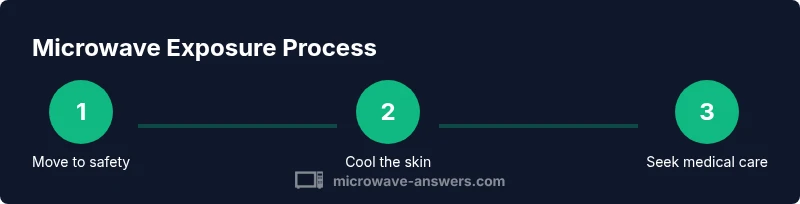
- Move away from the device and turn it off if it is safe to do so; ensure others near you are safe as well.
- Remove any clothing or jewelry that may retain heat from skin contact, and rinse exposed skin with cool running water for 10-20 minutes if there is burn risk. Do not use ice on large burns.
- Check yourself and others for signs of burns, breathing difficulty, dizziness, or chest discomfort. If symptoms worsen, call your local emergency number immediately.
- If you can, document the time of exposure, the device model, and the symptoms to share with medical personnel.
Pro tip: keeping a calm, methodical approach helps prevent additional exposure and supports clear communication with responders.
Recognizing heat-related symptoms
Microwave exposure typically produces heat-related injuries rather than systemic poisoning. Look for:
- Redness, blisters, or white patches on skin where heat was absorbed.
- Eye irritation, pain, or excessive tearing if the eyes were exposed.
- Mild to moderate pain, dizziness, or nausea after a short exposure, especially if a large body area was heated.
- Shortness of breath or wheezing if inhalation was involved from steam or fumes.
If any symptoms are present, seek medical assessment to determine burn depth, airway status, and the need for specific wound care or observation. Remember that delayed swelling or pain can develop hours after exposure.
When to seek urgent medical care
Call emergency services or your local urgent care if:
- You have deep or extensive burns, especially on the hands, face, or genitals.
- There is trouble breathing, persistent chest pain, confusion, fainting, or inability to stay awake.
- Breathing becomes difficult, or there are signs of airway irritation after inhaling steam or fumes.
- You experience vision changes, persistent vomiting, or signs of a systemic reaction beyond localized heat injury.
Medical professionals can assess burn depth, monitor for delayed complications, and provide appropriate wound care and pain management. Do not assume symptoms will resolve on their own.
How doctors assess exposure
During a medical evaluation, clinicians will:
- Review the incident details, including the device, duration of exposure, and symptoms.
- Conduct a physical exam focusing on skin, eyes, and breathing, plus vitals monitoring.
- Assess burn depth and the need for wound cleansing, sterile dressing, or topical care.
- Provide guidance on over-the-counter pain relief, wound care, and follow-up appointments.
The goal is to determine whether there are any heat injuries requiring specialized care and to establish a safety plan to prevent re-exposure.
Home care for minor burns and skin care
For minor, non-extensive burns:
- Cool the area with running water for 10-20 minutes. Gently pat dry.
- Cover with a clean, non-adherent dressing to protect the skin; avoid applying ointments on large burns unless advised by a clinician.
- Use over-the-counter pain relief if appropriate for your age and health conditions, following label directions.
- Monitor for signs of infection (increasing redness, swelling, warmth, pus) and seek medical attention if they appear.
- Avoid heat sources and re-exposure to the microwave device until it is inspected for safety.
Always err on the side of caution; if you are unsure about burn severity, seek professional evaluation.
Eye exposure and inhalation risks
Eyes are sensitive to heat injuries from brief exposure. If eye exposure occurred, flush with clean water or saline for 15 minutes if available, and seek urgent care for an eye exam. Inhalation of steam or heated vapors can irritate airways; if coughing, wheezing, or throat tightness occurs, contact medical services promptly. Protective eyewear should be checked for damage to door seals and shielding to reduce future risk. This guidance reinforces the importance of proper microwave safety to prevent recurrent exposure.
Prevention and safe microwave practices
Prevention is the best cure. Adopt these habits:
- Never run a microwave with the door open or when it is damaged; always inspect door seals for wear or cracks before use.
- Do not operate empty; always place food or liquid inside the oven to absorb energy.
- Keep the appliance out of reach of children and ensure proper supervision when in use in homes with little ones.
- Stand back during operation and avoid leaning into the oven when it’s running; steam can cause burns.
- Use microwave-safe containers and avoid metal objects inside the cavity.
- Allow the oven to cool before cleaning and never immerse the unit in water.
Following these practices reduces the chance of heat-related injuries and makes your kitchen safer for everyone.
Post-incident safety culture and follow-up
After any exposure, reflect on safety habits and consider a quick device safety check:
- Verify power cords and outlets are intact; avoid using damaged plugs or cords.
- Consider a professional inspection if the microwave has a history of sparking, unusual smells, or inconsistent heating.
- Maintain a simple incident log to inform future care if another exposure occurs.
- If symptoms persist beyond a day or worsen, arrange a medical follow-up to rule out delayed burn or respiratory issues.
Microwave safety is a continuous practice, and ongoing education helps protect households over time.
Tools & Materials
- Access to running water(Cool burns for 10-20 minutes if skin contact occurred)
- Clean towels or sterile dressings(For covering burns or drying skin)
- Non-adherent sterile gauze(To dress wounds without sticking)
- Antiseptic wipes or clean cloth(Optional for wound cleaning if available)
- Phone or emergency contact device(For immediate medical help or EMS)
- Notebook or device to record incident(Document time, device model, and symptoms)
- Ice packs (optional)(Do not apply directly to large burns; use only if advised by a clinician)
Steps
Estimated time: 30-60 minutes
- 1
Turn off and move to safety
Power down the microwave if safe to do so, and step away to a safer area. Alert others to avoid further exposure. This reduces ongoing heating and stops additional injury.
Tip: If the device is hot or you suspect a leak, do not touch exposed metal parts. - 2
Assess injuries and symptoms
Check for burns on skin, eyes, and airway irritation. Note breathing difficulty, dizziness, or confusion. Early assessment helps triage urgency and determines if medical care is needed.
Tip: Document symptom onset time to share with responders. - 3
Cool and protect burns
Rinse exposed skin with cool running water for 10-20 minutes to reduce heat and limit tissue damage. Cover minor burns with a clean, non-adherent dressing.
Tip: Do not apply ice or ointments to large burns unless advised. - 4
Seek urgent care if indicated
If there are deep burns, trouble breathing, severe pain, or altered consciousness, call emergency services immediately. Do not wait to see if symptoms improve.
Tip: When in doubt, err on the side of caution and seek evaluation. - 5
Medical evaluation and plan
During medical visits, clinicians will assess burn depth, vitals, and wound care needs. They may provide wound cleansing, dressings, or pain management guidance.
Tip: Follow post-visit instructions and schedule a follow-up if symptoms persist. - 6
Home care after discharge
Continue gentle wound care, monitor for signs of infection, and avoid re-exposure to the microwave device until deemed safe by a professional.
Tip: Keep a healing diary and note any changes in symptoms. - 7
Prevention and safer use
Review microwave safety practices, ensure door seals are intact, and use appropriate containers. Implement family safety routines to minimize future incidents.
Tip: Regularly inspect the appliance for wear or damage.
Common Questions
Is microwave radiation poisoning a real medical diagnosis?
Microwave energy is non-ionizing and does not cause poisoning in the traditional sense. Exposures can cause heat injuries, which require appropriate first aid and medical assessment if symptoms persist or worsen.
Microwave energy isn’t a poisoning in the usual sense; it mainly causes heat injuries that may need medical care if symptoms don’t improve.
What symptoms should prompt urgent care after exposure?
Deep burns, vision changes, trouble breathing, chest pain, confusion, or severe or spreading pain after exposure require immediate medical attention.
Seek urgent care if you have deep burns, breathing problems, or confusion after exposure.
Can I treat burns at home?
Minor burns can be cooled with running water and covered with a clean dressing. Do not apply ice or ointments on large burns unless advised by a clinician.
Cool minor burns with running water and cover; seek medical help for larger burns.
Will microwave exposure cause cancer?
Non-ionizing microwave energy does not cause cancer by itself. The main risks are heat-related injuries; safety practices reduce the chance of harm.
Microwaves don’t cause cancer directly; heat injuries are the real risk, so proper safety matters.
How can I prevent microwave-related injuries?
Inspect door seals, never operate a damaged microwave, use microwave-safe containers, and keep kids away from active devices. Follow the manual and safety guidelines.
Check the door seals and use safe containers to prevent injuries.
What should I document after an exposure?
Note the time, device model, duration of exposure, and all symptoms. This helps medical professionals assess the incident and plan care.
Write down when it happened, which device was used, and what symptoms appeared.
Should I unplug the microwave after exposure?
If it is safe to do so, unplug the device to prevent further exposure and have it inspected for faults before reuse.
Unplug if safe, then have the device checked before using again.
Watch Video
Main Points
- Prioritize safety and rapid cooling for heat injuries
- Seek medical care for any burns or breathing difficulties
- Understand exposure is heat-related, not a chemical poison
- Prevent recurrence with strict microwave safety practices
- Document incident details to aid medical evaluation