Can You Microwave Saran Wrap? Safe Practices and Alternatives
Explore whether microwave-safe wrap like Saran Wrap can be used, what labels mean, risks of melting or leaching, and practical alternatives for safe reheating and food storage in the microwave.


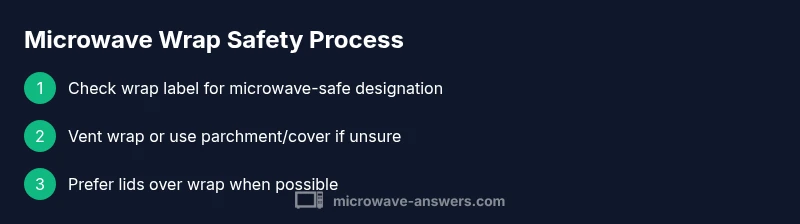
Yes, only if the wrap is explicitly labeled microwave-safe and you follow strict guidelines: vent the wrap to allow steam to escape, keep it away from food contact, and prefer a microwave-safe lid or parchment paper when possible. When in doubt, avoid wrapping and use a microwave-safe cover instead.
The Safety Landscape: What Saran Wrap Is and Isn't
Plastic wrap, including the familiar Saran Wrap, is designed to seal in moisture and keep foods from drying out. However, microwaving plastic wrap is a topic that stirs debate among home cooks and safety experts. According to Microwave Answers, labeling can be inconsistent across brands, which leads to confusion in real kitchen use. The Microwave Answers Team emphasizes that a wrap labeled as microwave-safe has undergone testing for certain conditions, but that label does not guarantee absolute safety in every use case. When you heat foods covered with wrap, you are exposing the wrap to high heat and steam, which can cause the film to melt, warp, or transfer substances to the food if the conditions aren’t right. Always verify packaging instructions and avoid heat sources that could damage the wrap.
Understanding Microwave-Safe Labels and Why They Matter
A wrap marked microwave-safe is intended to be used briefly in the microwave at typical household temperatures. Labels usually indicate resistance to melting under moderate heat and guidance about avoiding contact with food. The key takeaway is that labels are guidelines, not guarantees; many variables affect performance, including food type, moisture content, microwave power, and duration. Home cooks should interpret these labels with caution and use common sense when heating foods that require longer times or higher power. Microwave Answers recommends testing small portions first when using a wrap labeled as microwave-safe and monitoring for any signs of melt or odor.
Common Scenarios: Reheating, Steaming, and Storage
Most households reach for plastic wrap when reheating leftovers or steaming vegetables quickly. The intent is to trap moisture and heat evenly. Yet heat and steam can cause the film to soften or warp, potentially transferring chemicals or affecting flavor. Many microwaves operate at higher power on shorter cycles, which increases the risk of wrap contact or melt-through if the layer is too thick or improperly placed. For storage, some users reuse wrap when covering bowls, but repeated heating can degrade the film and introduce odors or residues. The practical rule is to minimize the wrap’s exposure to direct heat and avoid wrapping tightly against the food whenever possible.
Safer Alternatives That Deliver Similar Results
There are several effective alternatives that reduce risk while preserving moisture and preventing splatter. Parchment paper provides a breathable barrier that traps heat without direct contact with food. Microwave-safe lids or vented covers are excellent choices for quick reheats and steam retention. Silicone lids offer flexible, reusable options that tolerate repeated use. Another tactic is to place a microwave-safe plate over your dish and let steam escape through the rim, thereby maintaining moisture without wrapping. When moisture retention is essential, parchment followed by a vented lid often yields the best balance of safety and performance.
How to Use Wrap Safely When You Must
If a recipe or workflow truly requires wrap, follow a strict set of safety steps to minimize risk. Always read the label and confirm microwave compatibility. Do not let the wrap touch the surface of the food; keep a small gap between the wrap and any exposed food. Vent the wrap to allow steam to escape, and use the lowest practical power setting for the shortest duration. After heating, let the dish stand for a minute or two; this helps distribute heat evenly and reduces the chance of hot spots. If you notice any melting, tearing, or unusual odors, stop immediately and discard the contents.
Common Mistakes And How To Avoid Them
A frequent mistake is using wrap as a tight seal around a dish. This traps heat and can cause the wrap to melt. Another pitfall is using non microwave-safe wrap labeled for other uses. Always verify the packaging, and when in doubt, switch to parchment or a vented lid. Finally, never reuse wrap that has contacted raw meat, dairy, or eggs. Regular cleaning of your microwave and turntable also helps prevent residue transfer that could interact with future heats.
Tools & Materials
- Microwave-safe dish (glass or ceramic)(Choose containers labeled microwave-safe.)
- Parchment paper (food-grade)(A good barrier for moisture retention without direct wrap contact.)
- Microwave-safe lid or vented cover(Reduces splatter and minimizes wrap use.)
- Silicone microwave cover(Reusable alternative to single-use wrap.)
- Shelf-stable baking sheet or plate(Can serve as a spacer or base when using parchment.)
- Oven mitts(For safe handling of hot dishes after microwaving.)
Steps
Estimated time: 20-30 minutes
- 1
Check the wrap label
Start by reading the packaging for microwave-safe labeling and any cautions. If the wrap is not clearly marked for microwave use, do not rely on it for heating. This initial check prevents accidental use of wraps that may melt or leach chemicals under heat.
Tip: If unsure, skip the wrap entirely and use an approved cover. - 2
Plan venting before heating
If you must use wrap, avoid sealing the dish completely. Leave a small vent by lifting a corner or creating a tiny gap. This prevents steam pressure buildup that can cause wrap failure and potential splatter inside the microwave.
Tip: A corner-peeking vent helps maintain visibility and airflow. - 3
Prefer a lid or parchment when possible
Whenever possible, cover the dish with a microwave-safe lid or parchment paper rather than wrapping directly with plastic film. This reduces contact with the wrap while preserving moisture and safety.
Tip: Parchment is a simple, effective barrier for many reheats. - 4
Avoid direct contact with food
If you must use wrap, do not let the film touch the surface of the food. Maintain a small clearance and place the wrap over the dish rather than against the food itself.
Tip: Consider sliding a shallow dish between the wrap and the food as a spacer. - 5
Use moderate power and short intervals
Set the microwave to a lower power level and heat in short bursts. Check and stir or rotate midway to promote even heating and minimize wrap risk.
Tip: Short bursts also give you better control over moisture retention. - 6
Let the dish rest after heating
Allow the dish to stand for one to two minutes after microwaving. This rest period helps even out temperature and reduces the chance of hot spots that might tempt you to overheat in the next pass.
Tip: Use oven mitts when handling the hot dish. - 7
Inspect before serving
If you notice any melting, warping, or off odors, do not consume the food. Improper exposure can indicate that the wrap or container released substances into the meal.
Tip: When in doubt, discard the contents and start over with a safe method. - 8
Maintain a safe, repeatable routine
Develop a simple routine that emphasizes label checking, venting, and using safer alternatives, so you never rely on improper wrap for important meals.
Tip: Keep a list or quick-reference near the microwave for easy guidance.
Common Questions
Is Saran Wrap always safe to microwave?
Not always. Only wraps explicitly labeled microwave-safe should be used, and even then for short heating sessions with venting. Always follow the package instructions and err on the side of caution.
Only use wraps that say microwave-safe, and vent them during heating. Follow package instructions for safety.
What does the microwave-safe label really mean?
The label indicates testing for typical microwave use, but it does not guarantee safety for all foods, times, or power levels. Consider using safer alternatives when in doubt.
The label means tested under typical conditions, but it isn’t a universal guarantee. When unsure, opt for a safer method.
Can I microwave other plastics like Ziploc bags or utensils?
Only if they are explicitly labeled microwave-safe. Many plastics can melt or leach chemicals when heated. When unsure, use alternatives like parchment or a microwave-safe lid.
Only microwave plastics that are clearly labeled safe; otherwise, avoid them and choose safer options.
What are good alternatives to wrap for reheating?
Parchment paper, microwave-safe lids, and silicone covers are reliable options. They trap moisture and heat without direct contact with film.
Use parchment paper or a microwave-safe lid instead of wrap for safer reheating.
Can plastic wrap melt into food during heating?
Yes, if the wrap is not microwave-safe, overheated, or touches food. Always monitor and stop if you notice melting or odor.
Wraps can melt if heated too long or not labeled microwave-safe. Watch closely and stop if melted.
How should I vent wrap properly if I must use it?
Lift a corner or create a small gap to let steam escape. Do not seal tightly around the food. Venting reduces pressure and melt risk.
Lift a corner to vent; don’t seal the wrap completely. Venting keeps steam from building up.
What about washing or reusing wrap?
Do not reuse wrap that contacted raw foods or melted. Reuse is not recommended because residues and weakening film can pose risks.
Don’t reuse wrap that has touched food or melted; use fresh wrap or safer alternatives.
Watch Video
Main Points
- Always read wrap labeling before microwaving
- Vent wraps to prevent steam buildup
- Prefer lids or parchment over plastic wrap
- Avoid wrap contact with food to minimize risks
- If in doubt, switch to safer alternatives