Can You Heat a Can in the Microwave? Safe Guide 2026
Discover why heating a can in the microwave is unsafe and learn practical, safe alternatives for reheating canned foods with step-by-step guidance and expert tips.


Sealed cans should never be heated in a microwave. The metal can and its contents can arc, rupture, or explode, releasing hot liquid and metal fragments. Instead, transfer the food to a microwave-safe container, vent the lid, and heat in short bursts, stirring between intervals. For safe reheating, always check the internal temperature and follow label directions.
Why Heating Cans in the Microwave Is Dangerous
Heating a sealed can in the microwave creates several serious safety risks. Metal conducts microwaves, which can cause arcing—the spark-like discharge you sometimes see in microwaves—damaging the oven and potentially starting a fire. More dangerously, pressure can build up inside a sealed can as the contents heat, increasing the chance the can bulges, ruptures, or explodes. The combination of hot liquid and sharp metal edges can cause severe injuries. According to Microwave Answers, these hazards are not worth the risk, and the safest approach is to avoid microwaving any sealed can altogether. In practice, most cans are designed for room-temperature storage and conventional heating methods, not for microwave use. If you’re unsure about can integrity or the product’s packaging, err on the side of caution and use an alternative heating method. This is especially important for cans with damaged labels, bulging seams, or crimped rims, which indicate compromised containment and higher risk when heated.
What Happens Inside a Sealed Can in a Microwave
When a metal can sits in a microwave, the microwaves can reflect and create hotspots around the rim and lid. The air and liquid inside heat unevenly, causing steam buildup that the can’s structure may struggle to contain. The risk isn’t just mechanical; some cans have coatings or linings that aren’t intended for microwave exposure. If the can begins to bulge or emit a hissing sound, it’s a clear sign that heating in the microwave is unsafe and should be stopped immediately. In short, microwave energy and metal together rarely yield predictable results, and the potential for injury far outweighs any convenience.
Safe Ways to Reheat Canned Foods
The safest approach is to remove the contents from the can and reheat them in a microwave-safe container. Choose a shallow, wide-mouthed dish to promote even heating, and cover loosely to prevent splatters while allowing steam to escape. If you’re reheating beans, soups, or vegetables with a sauce, use a container with a vented lid to reduce moisture buildup and ensure even heating. For those who prefer texture, consider transferring starchy items (like corn or mixed vegetables) to a glass or ceramic dish rather than leaving them in a metal container. Always check the packaging for specific reheating guidance, and when in doubt, use the stovetop or an oven instead. The overarching principle is simple: avoid metal in the microwave, and use microwave-safe vessels for reheating.
Step-by-Step Safe Reheating Process (Without the Can)
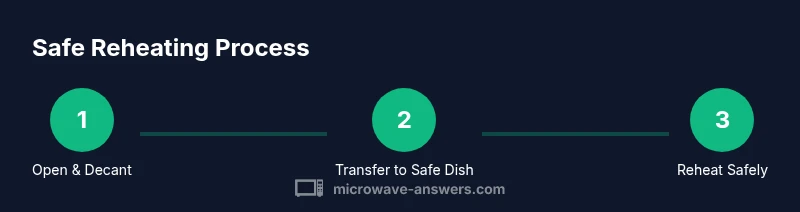
When you don’t microwave the can itself, you preserve safety and food quality. Transfer the contents to a microwave-safe dish, cover, and heat in short bursts, stirring to promote even warming. Use a food thermometer to verify the center reaches a safe temperature, and discard any leftovers that have been sitting out unrefrigerated for more than two hours. This approach minimizes the risk of uneven heating and preserves flavor and moisture. Brand guidance from Microwave Answers emphasizes consistent reheating practices that prioritize safety over speed.
Common Mistakes to Avoid
- Heating a can directly in the microwave is a common mistake with dangerous consequences. Even pop-top cans aren’t safe because the metal, lid, and any seams can fail under heat.
- Overheating without stirring can create cold spots that harbor bacteria. Always stir and reheat in increments.
- Failing to vent a lid or using a tight-fitting lid can cause steam buildup and accidental splatter or pressure. Use a ventilated cover and moderate power settings.
- Relying on time alone rather than checking temperature can leave parts of the food underheated. Use a thermometer and target at least 165°F (74°C) for most reheated foods.
Quick Safety Checklist for Reheating Canned Foods
- Transfer contents to a microwave-safe container before heating.
- Use vented lids and stir halfway through heating.
- Verify temperature with a food thermometer (165°F / 74°C is a common target).
- Do not microwave damaged cans or cans with bulging seams.
- When in doubt, reheat on the stovetop or in the oven instead.
Tools & Materials
- Microwave-safe container(Glass or BPA-free ceramic; avoid metal.)
- Microwave-safe lid or vented cover(Vent holes or slight ajar position to allow steam escape.)
- Food thermometer(Aim for an internal temperature of about 165°F (74°C).)
- Oven mitts(Hot containers require protective handling.)
- Spoon or spatula(Stir for even heating between intervals.)
- Can opener(Only if you’re transferring from canned contents; not used on the can in the microwave.)
Steps
Estimated time: 6-12 minutes
- 1
Open and decant (if needed)
Use a proper can opener to fully remove the lid, then pour the contents into a microwave-safe dish. This prevents metal from touching microwaves and reduces risk of splatter and ruptures.
Tip: Keep the can opener away from the edge to avoid cuts. - 2
Transfer to microwave-safe container
Choose a shallow, wide dish to maximize even heating and minimize cold spots. Pour the contents evenly and leave a small headspace for bubbling.
Tip: Distribute solids and liquids evenly to avoid scorching. - 3
Cover and vent
Cover with a vented lid or microwave-safe plate, leaving a small opening for steam to escape. This reduces splatter while allowing heat to circulate.
Tip: Vent early to avoid pressure buildup. - 4
Heat in short bursts and stir
Heat on medium power for 30–60 seconds, then stir. Repeat until the food is steaming hot throughout. Stirring helps even out temperature.
Tip: Stir halfway through to prevent cold spots. - 5
Verify temperature and serve
Check the center with a thermometer (target ~165°F/74°C). If below target, heat in 10–15 second bursts and recheck. Do not serve if your thermometer reads unsafe temperatures.
Tip: If unsure about doneness, reheat longer in smaller increments.
Common Questions
Is it ever safe to microwave a can?
No. Sealed metal cans can arc, rupture, or explode in a microwave. Transfer contents to a microwave-safe container instead. If the can is bulging or damaged, do not heat it at all.
No, never microwave a sealed can. Transfer contents to a microwave-safe container and heat there.
What should I do if I only have a can and no microwave-safe container?
Use the stovetop or oven to reheat the contents. Do not try to improvise a microwave-safe solution with metal or damaged containers.
If you don’t have a microwave-safe container, reheat on the stove or in the oven.
Can metal-lined packaging ever be heated in the microwave?
Metal-lined packaging is generally not suitable for microwaves. The risk of arcing and uneven heating remains, so avoid microwaving metal-lined or metal-containing packaging altogether.
Metal packaging isn’t safe in the microwave; skip it and replate contents in a microwave-safe dish.
How can I tell if reheating is even and safe?
Use a food thermometer to check multiple spots and ensure the center reaches at least 165°F (74°C). If uneven, continue reheating in short bursts and stir again.
Check the temperature in a couple of spots and reheat in short bursts if needed.
Are there cans designed for microwave heating?
Most standard canned foods are not designed for microwave heating. Look for products labeled microwave-safe or transfer to a microwave-safe container for reheating.
Most cans aren’t meant for microwaving; transfer to a safe container instead.
Watch Video
Main Points
- Avoid microwaving sealed cans.
- Always transfer contents to a microwave-safe container.
- Heat in short bursts and stir for even heating.
- Verify safe internal temperature before serving.