Replace Microwave Door: Step-by-Step Guide for Homeowners
Learn how to replace a microwave door safely and efficiently. This step-by-step guide covers compatibility, needed tools, installation, testing, and maintenance to ensure a proper seal and continued appliance safety.


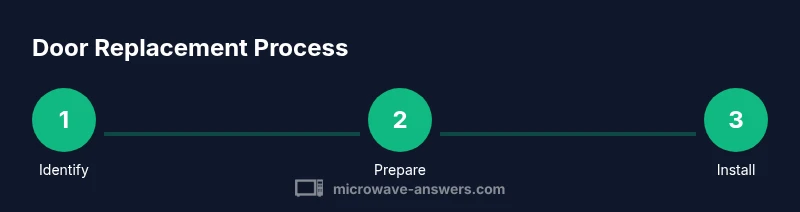
You can replace microwave door safely by ordering a compatible door model, disconnecting power, and following hinge, latch, and gasket alignment steps. This guide covers identifying the correct door, preparing the unit, removing the old panel, installing the new door, and testing for proper sealing. No advanced tools required.
Why replace microwave door
Damaged, warped, or mis-sealing doors reduce cooking efficiency and can pose safety risks. Cracks in the door panel, bent hinges, or a latch that won’t fully engage can allow microwave energy to escape or heat to leak. If you notice gaps when the door is closed, unusual heat build-up near the door, or visible wear around the gasket, replacing the door is often the safest and most cost-effective option. For many homeowners, swapping the door preserves the rest of the microwave’s life and avoids the high cost of a full replacement. This approach is frequently recommended by Microwave Answers when the core unit is sound but the door assembly is compromised.
Safety first: unplug, inspect, and plan
Before touching any electronics, unplug the microwave and unplug any power strips or outlets nearby. Inspect the exterior and interior door edges, hinges, and screws for corrosion or damage. Plan your replacement by locating the model number and confirming compatibility with a replacement door kit. Keeping a tidy workspace helps prevent losing screws or small parts. If you’re unsure about compatibility, consult the manufacturer’s manual or contact customer support for the exact door type and mounting hardware. Per Microwave Answers, safety and correct fit are non-negotiable for a reliable seal.
Identify the correct door model
Use the appliance’s model number, usually found on a label inside the door frame or on the back of the unit. Compare the model to the replacement door kit’s compatibility chart, focusing on hinge type, latch style, and gasket geometry. Some doors include the entire hinge assembly and screws; others require you to reuse old hardware. If you can’t locate a matching door, contact the manufacturer or a certified parts supplier to avoid ordering an incorrect part. The goal is a door that aligns perfectly with the microwave body and seals shut without forcing.
Tools and materials you’ll need
Assemble a basic toolkit and the replacement door kit before you start. You’ll typically need a Phillips screwdriver, a flathead screwdriver, a small container to keep screws organized, and a clean cloth. Have safety gloves on hand to protect hands from sharp edges during disassembly. Ensure you have the exact door kit compatible with your model, including any hinge pins, screws, and gaskets that come with it. Confirm contents before beginning to prevent mid-task interruptions.
Removal: taking off the old door
Begin by removing the screws that secure the door hinges to the microwave cabinet. Support the door as you unscrew to prevent it from falling. Detach the hinges on both sides if applicable, and carefully lift the door away from the unit. Keep all screws and small parts in a labeled container so you don’t lose them. If you encounter spring-loaded hinges, note their orientation for reassembly. This step often takes 5–10 minutes depending on access and model.
Installation: fitting the new door and ensuring alignment
Position the new door against the cabinet, aligning hinge holes with the screw locations. Start by loosely fitting the hinge screws so you can adjust the door alignment before tightening fully. Ensure the door sits flush against the cabinet with an even gap around the edges, and verify that the latch aligns with its striker. Tighten screws gradually in a criss-cross pattern to prevent misalignment. If the door doesn’t sit evenly, back off screws slightly and adjust until it closes with a clean seal.
Aligning hinges, latch, and seal
Check that the door closes firmly without forcing it. The gasket should sit evenly against the frame with no visible gaps. If the gasket is damaged, replace it or use the gasket that comes with the new door kit. Confirm the latch engages smoothly and that the door can be opened and closed without rubbing on the microwave cabinet. Small misalignments can cause leaks and inefficient heating, so take extra time to perfect the alignment before testing.
Testing the new door
Plug the unit back in and run a quick heat test with a microwave-safe cup of water for 30–60 seconds. Observe that there are no unusual sounds, leaks, or excessive steam from the door edges. Note any misalignment or sealing issues and recheck hinge screws and gasket seating. A proper seal should feel solid and produce even heating during the test. If you detect leaks or binding, power off and re-check alignment and hardware.
Maintenance tips to extend door life
Regularly inspect the door gasket for cracks or tears and clean the edge to remove food debris. Avoid slamming the door, which can misalign hinges over time. Keep the hinges lightly lubricated with manufacturer-approved lubricant if recommended, and replace worn screws to maintain tight mounting. Store spare parts in a dry place away from heat to prevent corrosion. Routine checks help ensure the door continues to seal effectively for years.
Troubleshooting common issues
If the door won’t close properly or seal after installation, first re-check hinge alignment and gasket seating. A slight misalignment can create gaps that lead to heat loss. If the latch doesn’t engage or the door remains ajar, re-seat the door and confirm screws are tight. For persistent problems, consult the manufacturer or a qualified appliance technician to avoid unsafe operation.
Tools & Materials
- Replacement microwave door (compatible with your model)(Ensure hinge type and latch style match your unit; verify model compatibility before ordering.)
- Screwdriver set (Phillips and flathead)(Use the appropriate sizes to avoid stripping screws.)
- Owner’s manual or model number reference(Needed to confirm compatibility and installation steps.)
- Small container for screws(Keep hardware organized during disassembly and reassembly.)
- Safety gloves(Protect hands from sharp edges.)
- Cleaning cloth(Wipe surfaces and gasket edge to remove debris.)
Steps
Estimated time: Total: 60-90 minutes
- 1
Disconnect power and locate model
Unplug the microwave and locate the model number to ensure you order the correct door. This reduces the risk of mismatch and wasted parts. Take a photo of the label for reference if needed.
Tip: Label placement varies by model; check inside the door frame and back of the unit. - 2
Remove old door hinges
Support the door while removing screws from the hinge attachments. Keep screws together and note any orientation markers. Move carefully to avoid dropping the door.
Tip: Use a magnetic screwdriver to prevent losing small screws. - 3
Inspect mounting holes and hardware
Check the hinge holes for wear or damage. If holes are stripped, you may need longer screws or a repair plate. Do not force misaligned hardware.
Tip: Wipe away corrosion and inspect screw threads before reuse. - 4
Prepare the new door
Inspect the replacement door and hardware for completeness. Confirm that hinge pins align with existing holes. Organize screws and small parts for quick access during installation.
Tip: Lay out parts in the same order they will be used. - 5
Attach hinges to the new door
Slightly loosen the hinge screws, align the hinge with the cabinet, and insert screws loosely. This allows final alignment before tightening.
Tip: Tighten gradually in a criss-cross pattern to prevent warping. - 6
Position door on the microwave
Hang the door on the hinges and hold it in place. Ensure the door sits flush against the cabinet with even gaps all around before fully tightening.
Tip: If the door rubs, recheck hinge alignment before proceeding. - 7
Secure door and verify latch
Tighten all screws and verify the latch engages smoothly when closing. The door should close with minimal effort and seal evenly without force.
Tip: Test latch travel by opening and closing several times. - 8
Check the gasket alignment
Ensure the gasket sits evenly around the door edge and is free of tears. Replace if damaged to maintain the seal.
Tip: Clean gasket edge to remove debris that can prevent a proper seal. - 9
Reinstall outer covers or trim
Snap or screw back any trim pieces that were removed to access hinges. Confirm they sit flat and do not interfere with the door movement.
Tip: Do not overtighten trim screws to avoid cracking plastic. - 10
Test heating and seal
Plug in the unit and run a 30–60 second water test. Confirm there are no leaks and that heating is uniform. If issues persist, recheck alignment.
Tip: Use a microwave-safe cup with water for a quick, safe test.
Common Questions
Is replacing a microwave door safe for beginners?
Yes, as long as you unplug the unit and follow the manufacturer’s instructions. Use proper tools and take your time with alignment and screws. If any step feels uncertain, pause and consult a professional.
Yes. Unplug the unit and follow the manufacturer’s steps carefully. If unsure, get professional help.
How do I know the door is compatible with my microwave?
Check the model number and compare it to the replacement door kit’s compatibility list. Look at hinge type, latch style, and gasket design to ensure a proper fit.
Check the model number and hinge type to ensure a proper fit.
What are signs the door needs replacement?
Visible cracks, warped panels, a gasket that won’t seal, or a door that doesn’t stay shut indicate the door should be replaced rather than attempting repairs.
Cracks, warping, or a seal that won’t close means you should replace the door.
Do I need a professional to replace the door?
Not usually. A basic replacement typically does not require professional service if you’re comfortable with household tools and follow safety steps. If you encounter electrical concerns, contact a pro.
Usually not, as long as you follow safety steps. If in doubt, hire a pro.
Will replacing the door affect warranty?
Check your warranty or user manual. Some manufacturers restrict door replacements, while others allow DIY replacements if done correctly.
Check the warranty terms; some brands allow DIY door replacement with proper steps.
How long does a door replacement typically take?
Most people complete the replacement in about 60 to 90 minutes, depending on model and hardware accessibility.
Typically 1 to 1.5 hours, depending on access and parts.
Watch Video
Main Points
- Confirm door compatibility before ordering.
- Unplug and inspect thoroughly to ensure safety.
- Align hinges and gasket for a proper seal.
- Test with a water heat test to verify performance.
- Maintain door seals with regular inspection.