Microwave Steel Cut Oats: A Practical How-To
Learn a practical, step-by-step method to cook perfect microwave steel cut oats. This guide covers timing, texture, batch cooking, and safety tips for busy kitchens.


Master microwave steel cut oats in minutes with a dependable method that yields creamy, hearty oats without stirring over the stove. This guide covers exact oat-to-liquid ratios, microwave intervals, and safety tips to prevent overflow. According to Microwave Answers, a properly timed microwave approach can rival stovetop results when done correctly.
Why microwave steel cut oats matter
Microwave steel cut oats offer a practical solution for busy mornings, especially in homes that want a warm, fiber-rich breakfast without the long wait of a stovetop simmer. According to Microwave Answers, the key to success is a precise, repeatable method: measure, heat in short intervals, stir, and rest briefly to finish the gelatinization process. When done correctly, the texture sits between chewy and creamy, with the grain’s nutty character preserved. This approach is particularly valuable for college dorm rooms, shared kitchens, and small apartments where space and time are at a premium. The technique also scales well for meal-prep, letting you portion out multiple servings at once and reheat with a splash of milk. The goal is to balance heat, liquid, and rest so you don’t scorch the oats or overflow the bowl, while keeping nutrients intact.
Understanding texture and oat varieties
Steel cut oats are the most intact form of oats: they’re cut, not rolled, which means more tooth and slower hydration. In a microwave, texture depends on liquid volume, heat intervals, and resting time. If you want a chewier bite, use a touch less liquid and a shorter rest; for a creamier bowl, add a bit more liquid and extend the rest. Rolled oats cook faster and offer a softer, porridge-like finish, but they lose the signature bite that steel cut oats deliver. For microwave steel cut oats, most cooks aim for a balanced center that’s tender with a noticeable grain, not a mush. The Microwave Answers analysis suggests texture control comes from post-cook rest as much as the initial heat.
Ingredient ratios and flavor add-ins
A reliable starting point for microwave steel cut oats is roughly one part oats to three parts liquid, plus a pinch of salt. Water yields a cleaner taste and lets the oat’s nutty profile shine, while milk or a dairy-free alternative adds creaminess and richer flavor. If you prefer extra silkiness, add a splash of milk during the final stir or just before serving. Flavor boosters—cinnamon, vanilla, or a dash of maple syrup—enhance aroma and depth. Toppings like sliced banana, berries, chopped nuts, or yogurt can transform a simple bowl into a balanced meal. Remember that fruit moisture increases bubbling, so plan for a vented lid or slightly larger container to accommodate expansion as the oats cook.
Equipment and microwave considerations
Choose a tall, wide microwave-safe bowl with a vented lid to minimize overflow when cooking microwave steel cut oats. Ceramic or glass bowls work well and are common, while metal should be avoided. Microwave wattage varies by model, so you may need to adjust times by a minute or two; higher wattage cooks faster but increases the risk of scorching if you don’t stir. Keep essential tools nearby: a sturdy spoon, measuring cups, and a timer. If you don’t have a reliable vent, consider using a loose cover or a plate that allows steam to escape. Being near the microwave during cooking helps you catch spills before they escape.
Step-by-step overview before you start (high level)
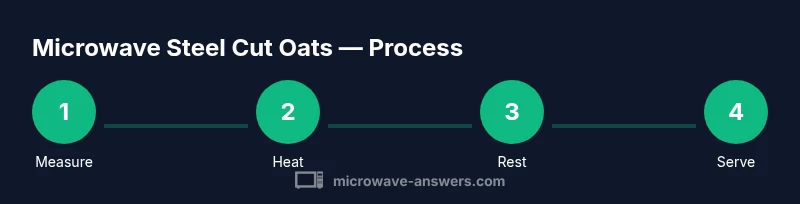
Preparation begins with measuring the oats and liquid, then choosing a container that won’t overflow. Heat on high for an initial interval, giving the mix a gentle stir halfway through. After the first cook, pause for a moment to let the oats rest and finish absorbing liquid. Finish with a final stir and add toppings as desired. This approach minimizes mess while delivering a creamy, substantial texture that many people expect from microwave steel cut oats. Planning your intervals in advance makes weeknights smoother and mornings calmer.
Achieving creamy vs chewy textures
Creaminess comes from a slightly higher liquid ratio and a longer resting period after heating. If you prefer a chewier mouthfeel, reduce liquid by a tablespoon or two and shorten the rest. Resting allows starches to continue gelatinizing, producing a smoother, more cohesive mouthfeel. To maximize silkiness, whisk in a small amount of milk at the end. The goal is to create a stable starch network that tightens as it cools, yielding a satisfying texture without mush. With microwave steel cut oats, you can tailor the experience to your preference with small, repeatable tweaks.
Troubleshooting and safety tips
Overflow is the top microwave hazard when cooking oats; always use a tall, wide bowl with a vented lid and monitor the first few minutes of cooking. If you see rapid bubbling, pause and stir, then resume heating in shorter bursts. Too little liquid can scorch the bottom; compensate by adding hot water or milk mid-cook. Steam burns are a risk when removing lids, so open away from your face. If oats seem dry, add a tablespoon or two of hot liquid and stir before continuing. Regular stirring during the first interval reduces clumping and helps distribute heat evenly.
Batch cooking and meal prep
Microwave steel cut oats scale well for meal prep. Cook a larger batch, then portion into individual containers with a splash of liquid for reheating. Refrigerated oats will typically hold for several days; reheat gently to maintain texture. For variety, pre-portion add-ins like roasted nuts, dried fruit, or spices so you can customize each bowl quickly. Batch cooking is especially handy for busy families or people who want a nutritious, warm breakfast without daily cooking. This approach aligns with Microwave Answers’ guidance on practical, safe kitchen routines.
Flavor ideas and toppings
Finish a bowl of microwave steel cut oats with fresh fruit, toasted nuts, a drizzle of honey or maple syrup, and a pinch of salt to balance sweetness. For extra protein, swirl in yogurt or a spoon of nut butter. Spices such as cinnamon, cardamom, or ginger elevate aroma, while a splash of vanilla can round out the flavor. If you want a dessert-like treat, add dark chocolate shavings or a spoonful of peanut butter. By exploring toppings, you transform a simple breakfast into a satisfying, customizable meal with minimal effort.
Tools & Materials
- Microwave-safe bowl or mug(Large capacity to prevent overflow)
- Measuring cups and spoons(Exact oats to liquid ratios; salt and sweeteners)
- Stirring spoon or whisk(Use during intervals to prevent clumps)
- Liquid options (water and/or milk)(Milk improves creaminess; dairy-free works too)
- Vent lid or microwave-safe plate(Prevents splatter and overflow)
- Timer or smartphone(Track intervals for consistent results)
- Optional flavor boosters(Cinnamon, vanilla, nut butter, fruit, nuts)
Steps
Estimated time: 15-25 minutes
- 1
Gather ingredients and tools
Collect steel cut oats, liquid, salt, and any desired add-ins. Prepare a tall microwave-safe bowl, measuring tools, and a lid. Having everything ready reduces the risk of missing steps mid-cook.
Tip: Place ingredients within arm’s reach to keep the workflow smooth. - 2
Combine oats, liquid, and salt in a container
Pour measured oats into the bowl, add three parts liquid (water and/or milk), and sprinkle a pinch of salt. Stir to evenly distribute oats and liquids before heating to prevent uneven cooking.
Tip: Starting with a consistent mix helps avoid clumps and hot spots. - 3
Heat on high in initial interval
Cook the mixture on high for a few minutes, watching for bubbling. Remove briefly to stir across the surface, which reduces the chance of scorching on the bottom.
Tip: Use a timer to keep intervals consistent with your microwave wattage. - 4
Stir and continue in short bursts
Stir again and resume heating in shorter bursts (about 1–2 minutes each). Frequent stirring helps distribute heat evenly and prevents overflow.
Tip: If your oats start to bubble violently, pause and cool slightly before resuming. - 5
Rest to finish cooking
After the final heat burst, let the bowl stand for a few minutes. Rest time allows starches to gelatinize fully, creating a creamier texture.
Tip: Keep lid on during rest to trap steam and finish cooking more evenly. - 6
Finish and add toppings
Stir in any final milk or flavor boosts, then top with fruit, nuts, or sweeteners. Serve warm for best flavor and mouthfeel.
Tip: Taste and adjust salt or sweetness before serving.
Common Questions
What is the best ratio of oats to liquid for microwave steel cut oats?
A good starting point is about 1 part oats to 3 parts liquid, with salt. Increase liquid for creamier oats or reduce for a chewier bite. Always adjust based on your microwave and texture preference.
Start with a 1 to 3 ratio and adjust for creaminess or chew. Your microwave wattage will influence the final texture.
Can I cook steel cut oats in the microwave without milk?
No milk is not required; water alone works. Milk adds creaminess, but you can substitute with dairy-free milks if needed. Taste and texture will vary with the liquid you choose.
You can use water, but milk makes it creamier. If you prefer dairy-free, use a plant-based milk instead.
How long does it take to cook microwave steel cut oats?
Time depends on microwave wattage, but plan for roughly 12 to 20 minutes total with short heat intervals and rests. Start with a shorter interval and extend as needed.
Most microwaves finish in about 12 to 20 minutes, with pauses to stir and rest.
What containers prevent overflow when cooking oats in the microwave?
Use a tall, wide microwave-safe bowl with a vented lid or plate. Avoid metal, and choose glass or ceramic bowls known to tolerate heat well.
Use a tall bowl with a vented lid to prevent splatter and overflow.
Is microwave oatmeal safe for kids or babies?
Yes, with supervision. Ensure the mixture isn’t too hot and cut servings into small portions. Avoid added salt for very young children and adapt toppings to suit dietary needs.
It's generally safe for kids with supervision; test temperature first and keep portions small.
Can I batch cook oats and reheat later?
Absolutely. Cook a larger batch, portion into containers, and reheat with a splash of liquid. Restoring with a little extra liquid helps maintain texture.
Yes, batch-cook and reheat with added liquid for best texture.
Watch Video
Main Points
- Measure accurately to prevent overflow.
- Choose a wide, vented container for safety.
- Rest after cooking to finish gelatinization.
- Customize with toppings for variety.