How to Microwave Frozen Corn on the Cob
Learn a fast, safe method to cook microwave frozen corn on the cob. Step-by-step techniques, tips, and troubleshooting for perfectly tender kernels in minutes.


Quickly cook microwave frozen corn on the cob by steaming it in the microwave. You’ll need a microwave-safe plate, a splash of water, and optional butter or salt. For standard ears, microwave 4 minutes, add 1 minute per extra ear, flipping halfway. Let rest 1–2 minutes before serving for tender, evenly heated corn.
Why microwave frozen corn on the cob is a convenient weeknight solution
For many home cooks, the microwave offers a fast, reliable route to tender, sweet corn without the cleanup of boiling water or the extra heat of an oven. When you start with microwave frozen corn on the cob, you lock in flavor and texture with minimal prep. The Microwave Answers team has found that well-timed steam inside a covered dish preserves the corn’s natural sugars and crispness more consistently than some other quick methods. In this approach, you’ll notice how easily you can scale from one ear to a small handful, making weeknight dinners smoother. This method shines when you’re working with limited time, a tight budget, or a need to avoid turning on the stove. You’ll also see how variations in wattage and resting time can affect texture, which is why a flexible timescale matters for dependable results. By understanding the core idea—steam, moisture, and even heat—you can achieve consistently delicious corn with minimal effort and cleanup.
Understanding moisture, heat, and texture in microwave cooking
Microwave cooking relies on heat generated by microwave energy heating water and fat molecules inside foods. In corn, the moisture inside each kernel turns to steam, which tenderizes the kernels from the inside out. A key concept is that steam must be trapped to build enough heat; otherwise, your corn may come out dry or uneven. The moisture level of frozen corn is a built-in advantage, but you still need a little extra support—usually a splash of water or a damp cover—to generate consistent steam. The result should be kernels that are plump, lightly chewy at the center, and finished with a mild sweetness. If your microwave runs hot or your ears are crowded, you’ll want to adjust the time or use a vented cover to prevent sogginess. The goal is even heating with minimal moisture loss. Throughout, the key is steady, gentle heat rather than a blast of power that bruises texture.
Selecting ears and prepping for microwave
Before microwaving, inspect each ear for damage: remove any paper wrap and check for cracks in the cob. For best results, arrange ears in a single layer on a microwave-safe plate, leaving space between each cob to allow steam to circulate. If you’re starting from a bag of frozen corn on the cob, shake out any ice crystals and pat surfaces dry to reduce water pooling on the plate. You can expedite prep by trimming the ends slightly so the kernels sit flat and heat more evenly. Finally, consider whether you’ll finish with butter or salt after cooking, and plan your serving setup so you can go from plate to table quickly. This careful preparation helps ensure uniform heating and attractive, evenly bright kernels.
Microwaving methods: steam vs wrap and lid options
Steam is the core of a successful microwave cook for corn on the cob. Use a small amount of water (about 1–2 tablespoons per ear) and cover the plate with a vented lid, microwave-safe wrap, or a damp paper towel. The lid traps steam, promoting even heating and juicy kernels, while the vent lets excess moisture escape so you don’t end up with soggy corn. If you don’t have a lid, an alternative is to wrap the plate with parchment or a microwave-safe wrap, leaving a small vent to release steam. For larger batches, you can reduce the risk of underdone spots by flipping the ears halfway through after the initial cooking minute mark. Test the first batch and adjust times for your specific microwave model. Remember that different wattages require small tweaks to timing for best texture.
Finishing touches and serving ideas
Once the corn finishes, let it rest briefly to finish cooking internally. Then, you can finish with melted butter, a pinch of salt, and a few grindings of black pepper or your favorite herbs. If you prefer healthier options, a light spray of olive oil and a sprinkle of paprika or garlic powder adds flavor without heaviness. For a quick weeknight meal, pair microwaved corn with a protein—grilled chicken, fish, or beans—and a grain like rice or quinoa. For kids, offer a small bowl of cotija cheese or grated parmesan to crumble on top. Keeping a small dish of lemon wedges or lime juice nearby adds a bright contrast that elevates the simple sweetness of the corn. This section aims to spark ideas that adapt to your pantry and family preferences while preserving the corn’s natural flavor.
Troubleshooting common issues
If the corn comes out undercooked in the center, extend the cooking time in small increments (15–30 seconds per ear) and consider rearranging the ears to improve heat distribution. If the kernels appear dry or tough, add a touch more moisture and re-cover, then reheat briefly. For a soggy result, reduce the moisture slightly or vent the cover a bit more to release steam. Overcooking can lead to a tough, chewy texture; in this case, cut cooking time by small amounts and test again. Finally, if your ears are crowded on the plate, cook in smaller batches to ensure even steam exposure. This section helps you diagnose and correct common problems so you can adapt to your specific microwave setup.
Authoritative sources for microwave cooking guidance
To support the guidance in this article, see these credible resources: FDA food safety guidelines for cooking and reheating foods; Extension service publications on safe microwave practices; and USDA FSIS consumer education materials on proper handling of prepared foods. These sources provide general safety principles and corroborate best practices for microwave timing, moisture control, and heat distribution. While not every household has the exact same microwave, the underlying principles—steam, even heat, and careful resting—apply across most models. Always follow product-specific directions when available and test timings with a small batch first.
Authoritative sources for microwave cooking guidance
- FDA: Food safety and cooking guidelines (https://www.fda.gov/food)
- Extension services: Safe microwave practices (https://extension.illinois.edu/foodsafety)
- USDA FSIS: Food safety education (https://www.fsis.usda.gov/food-safety)
Quick reference times by ear count
To help you dial in your microwave, here are approximate times based on the number of ears. Note that wattage varies; always start with the lower bound and test for doneness. 1 ear: about 4 minutes; 2 ears: about 5–6 minutes; 3–4 ears: about 6–8 minutes. If you’re using a high-powered microwave (1000 watts+), you may shave 30–60 seconds per additional ear. Always let the corn rest 1–2 minutes before serving to let heat distribute.
Tools & Materials
- Microwave-safe plate or shallow bowl(Large enough to hold 1–4 ears in a single layer)
- Water (2–4 tablespoons per ear)(Generates steam for even heating)
- Vented microwave-safe lid or parchment/wrap(Traps steam while venting excess moisture)
- Butter or salt (optional)(For finishing flavor after cooking)
- Paper towels or towel(Can substitute for a lid if needed)
- Tongs or oven mitts(Safety when removing hot plate)
Steps
Estimated time: 8-12 minutes
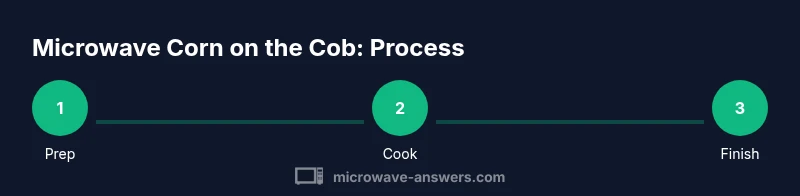
- 1
Arrange ears on plate
Place 1–4 ears on a microwave-safe plate in a single layer, ensuring space between each ear for steam circulation.
Tip: Keep ears in a single layer; avoid stacking for even heating. - 2
Add moisture for steam
Drizzle 1–2 tablespoons of water around the ears or place a damp paper towel over the plate to generate steam.
Tip: More ears may require a touch more moisture to maintain steam. - 3
Cover to trap steam
Cover with a vented microwave-safe lid or loosely wrap with microwave-safe parchment to trap heat while allowing a vent.
Tip: Vent the cover slightly if you notice a buildup of steam inside. - 4
Cook on high and flip
Microwave on high for the initial 4 minutes for 1 ear; add 1 minute per extra ear and flip halfway to promote even heating.
Tip: Flipping halfway prevents cold spots and keeps kernels tender. - 5
Rest before serving
Let the ears rest for 1–2 minutes after cooking to finish steaming and distribute heat.
Tip: Handle plate with oven mitts; steam can escape suddenly when removing cover. - 6
Finish and serve
Optional: brush with melted butter and season with salt or herbs before serving.
Tip: Taste first; butter can add saltiness, so adjust seasoning accordingly.
Common Questions
Is it safe to microwave frozen corn on the cob?
Yes. As with most frozen vegetables, microwave them in a covered dish with a small amount of moisture to trap steam. This preserves texture and reduces uneven heating. Always follow basic kitchen safety and avoid metal containers.
Yes, it’s safe to microwave frozen corn on the cob when you use a covered dish with a bit of moisture and follow basic food safety steps.
Can I microwave multiple ears at once?
Yes, but you may need to add more cooking time and rotate the ears halfway through to promote even heating. Avoid crowding; use 1–4 ears per batch for best results.
Yes, you can cook several ears at once, but rotate halfway and avoid overcrowding for even heating.
Should I thaw corn before microwaving?
No thawing is necessary. Frozen corn is prepared to go straight from the freezer to microwave with a moisture boost and a lid to trap steam.
No thawing needed; just add a little moisture and cover for steam.
What if the corn is undercooked in the center?
Increase the cooking time in small increments (15–30 seconds per ear) and rearrange ears for even heating. Check again and repeat if needed.
If it’s undercooked, cook a bit longer in small increments and rearrange the ears for even heat.
Can I cook corn on the cob with the husk on?
Husks are not recommended for frozen corn on the cob in the microwave, as they can trap too much moisture and unevenly heat kernels. Remove husks and proceed with the moisture method.
It’s better to remove husks and follow the steam method for even heating.
How should I reheat leftovers?
Reheat in a covered dish with a splash of water for steam, about 30–60 seconds, then rest for a minute. Check texture and repeat if needed.
Reheat leftovers in a covered dish with a little water and rest briefly.
Watch Video
Main Points
- Cook in small batches for even heating
- Moisture + cover = juicier kernels
- Let corn rest before serving
- Adjust time for wattage and ear count
- Finish with a light flavor boost if desired