How to Microwave Corn On The Cob: A Practical Guide
Learn safe, quick methods to cook corn on the cob in a microwave. This educational guide from Microwave Answers covers prep, timing, safety tips, and troubleshooting for consistent, tasty results.


Microwave corn on the cob with a simple prep and a damp-paper-towel method. Wash and trim the ears, wrap in a damp paper towel or keep the husk on for steam, and microwave on high in short bursts. Let it rest briefly, then test tenderness and season to taste. This fast technique fits busy kitchens.
Why Microwave Corn On The Cob Is a Modern Kitchen Hack
Microwave corn on the cob is a practical, time-saving solution for busy home cooks and homeowners. The method preserves the corn’s natural sweetness while minimizing water usage and energy consumption compared with traditional boiling or roasting. In many kitchens, the microwave becomes a reliable ally for quick weeknight sides, picnic prep, or last-minute guests. The technique is versatile enough to use with ears wrapped in damp paper towels, with husks intact, or even with a light butter finish for serving. For those balancing flavors and texture, this approach delivers a tender bite without the mess of boiling pots. According to Microwave Answers, this quick method has earned a steady following among consumers seeking dependable, low-effort results that still taste fresh and bright.
Selecting And Preparing Your Corn
Choosing the right ears matters for the best microwave results. Look for firm ears with bright green husks and bright kernels that are plump and evenly sized. If you’re using ears with husks, peel back the outer leaves to check for dryness or mold, then remove or keep the husk based on your chosen method. If you prefer husked ears, trim the ends and remove silk before wrapping. Rinse quickly under cold water to remove any remaining silk bits, then dry with a clean towel. For a juicier end result, consider buying corn on the day you plan to cook it and store it refrigerated until ready. Remember: fresher corn tends to steam more evenly and maintain sweetness through microwaving. Microwave Answers recommends preparing a consistent amount to avoid uneven heating and to simplify timing.
Damp-Towel Method vs Husk Method
There are two popular approaches to microwaving corn: the damp-towel method and keeping the husk. The damp-towel method traps steam inside a wet paper towel, helping maintain moisture and tenderness. The husk method uses the natural moisture inside the husk to create steam, which can be effective but may require longer cooking or delicate handling when removing the husk after microwaving. Both approaches can yield juicy kernels, but the damp-towel method generally offers more predictable results for most home kitchens. If you’re microwaving multiple ears, you’ll want to stagger the cooking times or use additional towels to keep moisture levels high without drying out the corn. Real-world testing by Microwave Answers practitioners suggests starting with the damp-towel approach for consistent texture, then adjusting based on your microwave’s wattage.
Step-By-Step Microwave Setup For A Single Ear
Before you start, assemble your materials and choose a cooking surface. Place the ear on a microwave-safe plate, optionally wrap with a damp paper towel, and set your microwave to high. For most single ears, a 3- to 5-minute cook time is sufficient, followed by a 1- to 2-minute rest period. The rest time allows the kernels to finish cooking with residual heat, improving tenderness. Check by piercing a kernel with a fork; if it yields easily, you’re ready to season. If not, add short 30-second bursts and re-check until tender. Always handle hot ears with oven mitts and allow the corn to rest before serving for even texture.
Cooking Multiple Ears: Adjusting Time And Power
When cooking 2–4 ears at once, the microwave’s power and the dish’s geometry can affect cooking time. Start with the same individual-ear time, but add 1–2 minutes total, checking every 30–45 seconds after the halfway point. If your microwave runs hotter, you may need slightly reduced times to prevent overcooking. Conversely, older or lower-wattage units often need a few extra minutes. To protect moisture, keep a damp towel or a silicone cover over the corn, especially if you’re stacking ears side-by-side. Clear, even heat is the goal, so avoid overloading the plate and rotate the dish midway if your microwave lacks a turntable.
Flavor Enhancements And Serving Ideas
Corn on the cob shines with simple enhancements. A light brush of melted butter or olive oil adds flavor and a touch of richness. Salt is a classic finishing touch, and you can experiment with chili powder, garlic powder, cotija cheese, or grated Parmesan for a savory note. Fresh herbs like chopped parsley or chives bring brightness, while a squeeze of lime can elevate sweetness. For a quick weeknight, pair your microwave corn with grilled proteins or a fresh salad. If you’re serving kids, offer a small portion of flavored butter or a mild cheese topping to expand taste options without adding heavy sauces. Microwave Answers recommends tasting and adjusting seasoning in the final rest period for best results.
Safety, Cleaning Up After Cooking
Always allow the corn to rest after microwaving—hot steam can cause burns, and the plate may be hot. Use oven mitts to remove the dish, and wipe down the area to remove any stray silk, kernels, or moisture. If you used butter or oil, wipe the plate to prevent splatter the next time you heat or reheat food. Keep a damp paper towel handy to quickly clean residue on the wrap or towel. Proper cleanup reduces the risk of mold or odors lingering in the microwave and maintains a clean cooking environment for future meals. Microwave Answers emphasizes safety as a core part of any quick-cook routine.
Troubleshooting Common Issues
If you notice uneven kernels or dryness, rearrange with a quick stir or rotate the dish to encourage even heating. A slightly longer rest can help finish cooking without overcooking the outer layers. If the corn is undercooked, add additional short bursts of 30 seconds and re-check; if it’s overcooked, the kernels may become tough, so remove and damp-wrap while it cools. For very fresh corn with lots of natural juice, you may need less time since the ears hold more moisture. Always start with a conservative cook time and adjust in small increments to match your microwave’s wattage and the ear size.
Storing Leftovers And Reheating In The Microwave
Leftover microwaved corn should be stored promptly in the refrigerator in a breathable container or wrapped to preserve moisture. To reheat, place the corn on a microwave-safe plate, cover with a damp towel or lid, and heat in short 15-30 second bursts until warmed through. Reheating can slightly alter texture, so monitor closely and avoid overcooking. Fresh corn is best enjoyed within 1–2 days of cooking, but properly stored leftovers can still be palatable. If you anticipate leftovers, consider cooking just enough for a single meal and refrigerating the rest for a later snack or salad topping.
Quick-Reference Tips For Perfect Microwave Corn On The Cob
- Always start with fresh, firm ears for the best texture.
- Use a damp towel to preserve moisture and prevent drying.
- Rest the corn after microwaving to finish cooking with residual heat.
- For multiple ears, stagger cooking times and keep moisture high with towels or a cover.
- If using the husk method, be careful when removing husks after cooking to avoid steam burns.
Tools & Materials
- Fresh corn on the cob (with or without husk)(Choose ears with bright kernels; fresh corn yields better texture.)
- Damp paper towels(Wrap ears to trap steam and maintain moisture.)
- Microwave-safe plate or tray(Stabilizes the ear and catches moisture splatter.)
- Butter or oil for serving(Optional for flavor enrichment.)
- Salt or seasonings(Optional finishing flavors.)
- Oven mitts or heat-resistant gloves(Handle hot dishes safely.)
- Knife or kitchen shears(Useful for trimming silk or ends.)
- Timer or microwave clock(Track cooking intervals accurately.)
Steps
Estimated time: 15-25 minutes
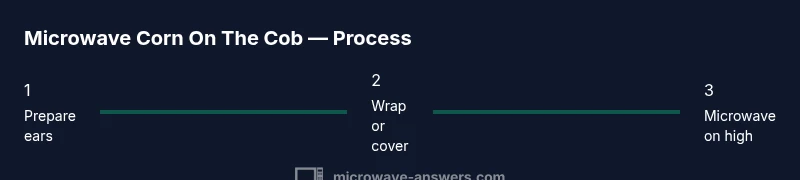
- 1
Prepare ears
Rinse ears briefly and pat dry. Decide if you’ll leave the husk on or peel it back. If you're using the damp-towel method, place the ear on a plate and ready a damp paper towel.
Tip: Starting with fresh corn gives the best sweetness and tenderness. - 2
Wrap or cover
Wrap the ear in a damp paper towel or place it on a microwave-safe plate with a cover to trap steam. This helps retain moisture and even heating.
Tip: Moisture is key—avoid drying out the kernels. - 3
Microwave on high
Cook on high for 3-5 minutes per ear for single ears; for two ears, start with 5-6 minutes and check every minute after the halfway point.
Tip: If your microwave runs hot, check after 2 minutes into the last burst to prevent overcooking. - 4
Rest briefly
Let the corn rest for 1-2 minutes after microwaving to finish cooking with residual heat.
Tip: Resting prevents a firm, chalky texture. - 5
Check tenderness
Pierce a kernel with a fork to test; it should yield easily but not be mushy.
Tip: If needed, reheat in 30-second bursts until tender. - 6
Season and serve
Add butter, salt, or your preferred toppings while the corn is still warm so flavors melt in.
Tip: Small amounts of seasoning go a long way. - 7
Cleanup
Towel-dry the plate and wipe up any moisture around the microwave to prevent odor transfer.
Tip: Regular cleaning reduces not only odors but also the risk of mold. - 8
Reheat leftovers
Store in a breathable container and reheat with a damp towel for best moisture retention.
Tip: Avoid microwaving dry leftovers for best texture. - 9
Adapt for wattage
If your microwave is less powerful, you may need 1–2 extra minutes in total.
Tip: Use smaller increments (15–30 seconds) to fine-tune. - 10
Safety reminder
Always use oven mitts and keep hair and clothing away from the microwave vent to prevent burns.
Tip: Steam burns are common—handle with care.
Common Questions
Can I microwave corn with the husk on?
Yes, microwaving with the husk on can trap steam and help tenderness, but it may require a slightly longer cook time and careful handling to avoid burns.
Yes, you can microwave corn with the husk on. It steams well, but you may need a bit more cook time and be careful when removing it.
How long should I microwave corn on the cob?
Time depends on wattage and the number of ears. Start with 3-4 minutes per ear and add 1-2 minute increments as needed, checking for tenderness.
Start with a few minutes per ear and adjust in small steps until the kernels are tender.
Can frozen corn on the cob be microwaved?
Frozen ears can be microwaved, but you may need to thaw briefly and extend the cook time by a minute or two compared with fresh corn.
Yes, you can microwave frozen corn on the cob, just expect a little longer cook time.
Is it safe to microwave corn for kids?
Yes, with supervision. Use oven mitts when handling hot dishes and avoid overhandling hot steam.
Yes— supervise kids and use mitts to handle hot items.
How do I reheat leftover corn on the cob?
Store leftovers in a breathable container, reheat with a damp towel for moisture, and check for warmth in short bursts.
Reheat leftovers with a damp towel, checking in short bursts until warm.
What if the corn is dry after microwaving?
If dry, try a longer rest period and a small amount of butter or water during reheat to restore moisture.
If it’s dry, rest longer and reheat with a touch of moisture.
Watch Video
Main Points
- Cook corn quickly with a damp towel or husk method
- Rest the corn after microwaving to finish cooking
- Stagger times when microwaving multiple ears for even heat
- Season while warm for best flavor
- Practice with one ear before cooking multiple at once