Microwave for RV: A Practical Guide
Discover practical guidance for selecting and using a microwave in an RV, including size, wattage, mounting options, safety tips, and power considerations for on-the-road meals in 2026.


You’ll learn how to choose a microwave for RV use, optimize space, manage power needs, and install it safely. This guide covers sizing, mounting options, wiring considerations, and maintenance so you can enjoy reliable, on-the-go heating without compromising safety or battery life.
Why an RV-specific microwave matters
For RV living, a microwave for RV is more than a convenience — it’s a compact, reliable way to heat meals without firing up a stove. According to Microwave Answers, selecting an RV-friendly unit means balancing size, power compatibility, and ventilation. The right model will fit your limited countertop, tolerate mobile vibrations, and integrate with your preferred power source. In this section, we’ll explore how space constraints, power limits, and safety requirements shape your choice and usage.
In practice, the best solution respects the unique constraints of mobile homes: small footprints, stability during travel, and a safe electrical draw that won’t trip your coach’s circuits. By focusing on form factor, electrical compatibility, and venting options, you’ll reduce installation headaches and gain dependable performance on the road.
Sizing, wattage, and performance to know
RV kitchens demand compact, efficient appliances. When evaluating microwaves for RV use, focus on physical footprint, internal capacity, and how the unit handles power fluctuations. Instead of chasing the highest wattage, pick a mid-range option that delivers dependable heating without overtaxing your inverter or shore power. Also consider features like turntables, sensor heating, and defrost modes, which affect both performance and energy use.
The goal is reliable heating without excessive draw. In practice, a mid-range unit often strikes the right balance between speed and power efficiency. Look for models with simple control panels, durable build quality, and lightweight design to withstand travel. If your RV relies on a solar-powered battery bank, selecting a unit with energy-saving settings can extend usable cooking time between charges.
Mounting and placement options
Placement matters for safety and usability. Countertop models stay portable, but many RV owners prefer under-cabinet or wall-mounted options to maximize space. If mounting, ensure adequate clearance for heat dissipation, airflow, and the door swing. Use a purpose-built RV mounting kit or bracket rated for your microwave’s weight and vibration environment, and attach to a sturdy frame rather than thin cabinetry. Proper ventilation is essential to prevent heat buildup inside the cabinet.
When choosing placement, ensure you have enough clearance for the door to open fully while the unit remains stable during movement. If you’re mounting, select a kit designed for travel and verify it won’t interfere with nearby drawers, vents, or electrical outlets. A well-planned layout keeps cords tidy and reduces the chance of rattling or loosened fasteners during trips.
Power considerations: inverter vs generator vs shore power
Power planning is essential when you’re living on the road. An inverter can run a microwave, but you must select a unit that matches its continuous and surge needs and, where possible, use a pure sine wave model for stability. Shore power is convenient when available, while generators provide backup power for longer trips. In all cases, avoid daisy-chaining extension cords or sharing circuits with high-draw devices like air conditioners.
If you’re boondocking, calculate how much of your battery capacity you’re willing to use for cooking. In many setups, keeping the microwave on a dedicated circuit or using it when you’re on shore power helps protect other critical systems. A high-quality inverter with built-in surge protection will reduce the risk of damage from startup spikes.
Safety and maintenance tips
Basic safety comes first: keep the microwave away from water, ensure a properly grounded outlet, and never place metal objects inside. Regular cleaning prevents odors and residue buildup. Check door seals, hinges, and vent openings for wear, and replace damaged parts promptly. When cooking, use microwave-safe containers and avoid overheating liquids; piping hot beverages can cause burns if handled carelessly.
Keep the area around the microwave free of clutter and flammable materials. Periodically inspect cords and outlets for signs of wear, and never run the unit when it’s damaged or vibrating excessively. If you notice unusual noises, heat buildup, or odd smells, power down and have the unit inspected before resuming use.
Installation steps overview
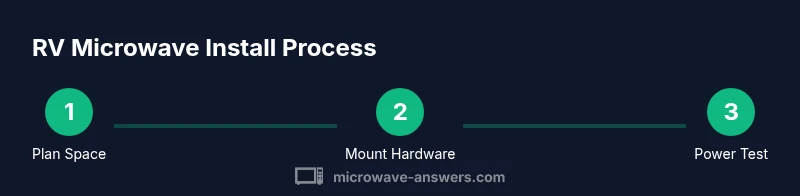
This overview outlines the practical steps to install or set up a microwave in an RV, whether you’re replacing an old unit or adding one to a new build. Planning ahead saves space and reduces risk during travel. The process emphasizes safe mounting, correct power connections, and simple testing to confirm proper operation before hitting the road.
By following a systematic approach, you’ll avoid common mistakes such as cramped ventilation, unstable mounting, or underpowered outlets. The key is to align the microwave’s placement with your RV’s electrical plan and moveables like dinette configurations, ensuring safe and ergonomic use.
Everyday usage and food safety tips
Use microwave-safe containers with vented lids when heating foods in motion. Stir and let food rest after microwaving to avoid hot spots. Always cover dishes to reduce splatter and preserve moisture. For safety, never heat sealed containers or cans; vent containers to release steam and prevent pressure buildup.
Practical habit: pre-check power availability, especially when running a microwave near other high-draw devices. Maintain separate, clearly labeled storage for microwave-safe dishes and avoid stacking metal objects or foil near the unit. Adopting these habits helps ensure both safety and consistent heating results on the move.
Troubleshooting common issues
If the microwave isn’t heating, check that it’s plugged into the correct outlet and that the breaker isn’t tripped. If the door won’t latch, inspect the latch mechanism and hinges for debris or damage. Unusual smells or smoke require immediate power-down and inspection by a qualified technician. Regular maintenance reduces the likelihood of these problems on the road.
Document any recurring issue with dates and symptoms to help a technician diagnose it efficiently if you need professional service while traveling.
Authoritative sources
For more on appliance safety and electrical guidelines, refer to official resources from government and university extensions:
- https://www.fda.gov/
- https://www.energy.gov/
- https://www.osha.gov/
Tools & Materials
- Inverter or shore power outlet suitable for microwave load(Ensure continuous duty rating and supply is non-dedicated to other heavy loads)
- Mounting kit compatible with your microwave(Rugged bracket rated for travel vibration)
- Ventilation clearance spacers(Allow at least 2-3 inches of clearance behind and on sides)
- Electrical cord or hard-wired power supply(Use properly rated cord; avoid daisy-chaining where possible)
- Safety gloves(Use when mounting or handling hot components)
- Measuring tape and marker(For precise placement and layout)
Steps
Estimated time: 60-90 minutes
- 1
Assess space and plan mounting
Measure available countertop or cabinet space and decide between countertop, under-cabinet, or wall-mounting. Consider door swing, ventilation, and proximity to outlets. Create a rough layout and verify clearance during travel movements.
Tip: Take precise measurements and sketch a layout before purchasing a bracket. - 2
Choose a microwave that fits
Select a compact model with appropriate features for mobile use, such as a simple control panel and reliable door latch. Ensure internal capacity suits your typical meals and that the unit can operate safely from your intended power source.
Tip: Prefer models with built-in safety features and easy access for cleaning. - 3
Prepare mounting area and ventilation
Clear the area, install any required backing plates, and ensure there is unobstructed airflow behind and around the unit. If mounting under a cabinet, verify the vent openings won’t be blocked by doors or shelves.
Tip: Leave a small air gap behind the unit to dissipate heat. - 4
Install mounting hardware and secure
Attach the bracket or mounting plate to a solid surface using appropriate screws. Mount the microwave and verify it sits level with door clearance. Check for movement during vehicle motion.
Tip: Use locking screws or anti-vibration hardware to prevent loosening during travel. - 5
Connect power safely
Hook up to a dedicated outlet or proper inverter circuit. Avoid daisy-chaining extension cords and ensure wiring matches the microwave’s outlet type. Test the outlet by plugging in a low-load device first.
Tip: If using an inverter, confirm it supports the microwave’s surge at startup. - 6
Secure door and perform a dry run
Close the door and check that it opens and closes smoothly without hitting surrounding cabinetry. Run a 1-minute test cycle empty to verify power delivery and control responsiveness.
Tip: Watch for any unusual noises or heat buildup during the test. - 7
Test with a safe load
Heat a small, microwave-safe item and monitor heating time. Stop the cycle if you notice excessive heat, unusual smells, or sparking. Validate even heating by rotating or turning the dish as needed.
Tip: Start with short durations to avoid overheating containers. - 8
Establish a maintenance routine
Create a simple cleaning and inspection schedule for seals, vents, and mounting hardware. Check for wear after long trips and reseat any loose components.
Tip: Clean the interior with a mild, non-abrasive cleaner after use.
Common Questions
Can I run a microwave on an RV inverter?
Yes, but only if the inverter is sized for the microwave’s continuous load and startup surge. A pure sine-wave inverter is preferable for stable operation.
Yes, you can run a microwave on an RV inverter if it’s properly sized and uses a pure sine-wave inverter for stable performance.
What wattage is best for RV microwaves?
Look for a mid-range unit that balances heating speed with power draw. Models in this range typically perform reliably without overloading the RV’s power system.
Aim for a mid-range microwave that heats efficiently without overloading your RV’s electrical system.
Do RV microwaves vent to outside?
Some models include exterior venting or hood components; others rely on cabinet design. Check the installation requirements and ensure proper ventilation.
Some microwaves vent outside or require cabinet ventilation; verify your model’s venting needs.
Can I install a microwave in a cabinet?
Yes, with adequate clearance for heat, proper mounting hardware, and ventilation. Ensure the cabinet is heat-tolerant and rated for appliance use.
Yes, you can install in a cabinet as long as it’s ventilated and properly mounted.
Is a convection microwave better for RVs?
Convection models offer more versatility but use more power and space. They’re great if you bake on the road, but assess if the extra capacity fits your RV setup.
Convection microwaves give you more cooking options, but they cost more power and space.
What safety steps should I follow?
Always use microwave-safe containers, avoid metal, unplug during cleaning, and keep liquids from overheating. Maintain clear ventilation and inspect for wear.
Use safe containers, avoid metal, and unplug the unit for cleaning.
Watch Video
Main Points
- Choose a compact, mid-range RV microwave for reliable heating.
- Mount or place the unit with proper ventilation and secure mounting.
- Plan power carefully—use shore power or a suitably rated inverter.
- Follow safety guidelines and perform regular maintenance.