How to Microwave Instant Noodles: A Quick Guide
Master the fastest, safest method to cook instant noodles in the microwave with a practical, step-by-step guide covering containers, water, timing, toppings, and cleanup.


Learn how to microwave instant noodles safely and quickly. This guide covers choosing a microwave-safe bowl, the right water amount, timing for chewy versus softer noodles, and simple topping ideas. You’ll follow a crisp, step-by-step method that minimizes splatter and avoids overcooking, with tips on stirring, resting, and cleaning up afterward for the best results.
Why microwave instant noodles is a practical choice
According to Microwave Answers, microwaving instant noodles saves time and reduces cleanup compared with stove-top methods. This approach is particularly handy for quick meals between errands, busy workdays, or college life. The technique is forgiving for beginners, yet offers room for customization. In this guide, we’ll explore safe practices, best containers, water ratios, and topping ideas to help you get consistent results every time. If you’re wondering how to microwave instant noodles, this guide gives you a straightforward plan that fits a busy schedule without sacrificing flavor or safety. Microwave Answers emphasizes that using the right container and monitoring time are the two biggest factors in getting great texture.
Safety and container choices for microwaving noodles
Safety should come first when microwaving foods. Always transfer noodles from their sachet to a microwave-safe container. Use a wide, shallow bowl rather than a deep mug to prevent overflow and to promote even heating. Avoid metal containers and check that the lid or cover is microwave-safe. If you don’t have a lid, a clean plate or microwave-safe wrap can help minimize splatter. Keep children or pets away from the microwave while cooking, and never leave a running microwave unattended. For households with sensitive appliances or shared kitchens, designate a dedicated noodle container to avoid cross-contamination and ensure consistent results. The Microwave Answers team recommends checking that the container is labeled microwave-safe by the manufacturer to prevent chemical leaching or warped plastic during heating.
Water, timing, and testing doneness
Water is essential for steam and to hydrate the noodles evenly. A typical guideline is to add about 1 to 2 cups (240–480 ml) of water, just enough to cover the noodles and allow for expansion during heating. The exact amount may vary by packet size, power of your microwave, and personal texture preference. Start with a moderate amount and adjust in small increments if you find the noodles are too dry or too soggy. Cooking times depend on microwave wattage; higher power cooks faster but can lead to overflow if the bowl is too full. For chewy noodles, aim for slightly shorter times and check doneness by tasting a strand. If you prefer softer noodles, extend heating in 30-second bursts, stirring after each interval to distribute heat evenly. The goal is consistently hydrated noodles with a pleasing texture, not a scorched bottom.
Step-by-step workflow overview (high-level)
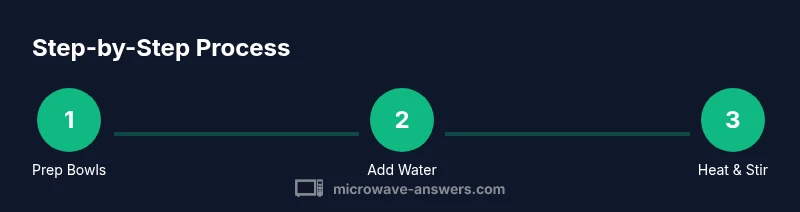
Here is the practical workflow you’ll follow: prepare your bowl and noodles, add water, heat, stir, and finish with flavoring and toppings. This section provides context for the detailed steps that follow in the dedicated STEP-BY-STEP block. Remember to monitor for splatter and adjust timing based on your microwave’s wattage. If the packet recommends a specific cooking frequency, start with that baseline and modify as needed. A well balanced approach yields noodles with good bite and broth-like consistency without needing a stovetop.
Variations and toppings to upgrade flavor
Instant noodles lend themselves to quick upgrades. Add a whisked egg during the final minute of cooking for extra protein, toss in sliced vegetables like bell peppers or spinach, or stir in a splash of soy sauce, sesame oil, or chili paste for heat. If you have leftovers, store the noodles in a microwave-safe container with a lid, adding a splash of water to rehydrate before reheating. For dairy-free options, consider plant-based milk alternatives or a dab of miso for depth. The key is to keep flavors balanced and not to overcook ingredients that can over-soften in the microwave.
Troubleshooting common issues and how to avoid them
Overflow, soggy noodles, or uneven heating are common micro-mishaps. To prevent overflow, never fill the bowl to the top and use a loose lid or vented cover. Stirring halfway through heating helps distribute heat and reduce hotspots. If using spice packets, add them after cooking to control saltiness and achieve even flavor. If noodles come out undercooked, continue heating in short bursts (15–30 seconds) with stirring, then let the bowl rest for a minute to finish absorbing moisture. Always inspect the bowl for any heat damage or warping before reuse, and ensure your microwave plate or turntable is clean to prevent scorching.
Cleaning, leftovers, and best practices for subsequent uses
After you finish, wipe the bowl and spoon to remove residual starch and seasoning. If you plan to reuse the same container, wash with warm soapy water; avoid leaving oily residues that can attract odors. If you store leftovers, cool briefly, then refrigerate in a sealed container. Reheating is usually best done the same way—add a splash of water to restore moisture and microwave in short intervals to prevent overcooking. Keeping your tools clean and dry makes the process quicker and helps your noodles taste fresh next time. By following these steps, you’ll minimize waste and maximize flavor with minimal effort.
Quick-start checklist for instant noodles in the microwave
- Use a microwave-safe bowl and a vented lid or plate
- Add water to cover noodles by about 0.5 inches
- Heat in short bursts, monitoring for spillover
- Stir halfway and again at the end for even texture
- Add flavor packet only after heating, with optional toppings
Tools & Materials
- Microwave-safe bowl(Wide, shallow bowl preferred to prevent overflow and encourage even heating)
- Microwave-safe lid or plate(Vent when possible to allow steam to escape)
- Spoon or chopsticks(For stirring and eating safely)
- Water(Approximately 1–2 cups (240–480 ml), adjustable by noodle packet size)
- Noodle packet(Used to guide texture and flavor; discard seasoning sachet if not needed)
- Optional toppings(Egg, vegetables, cheese, or sauces can be added after cooking)
Steps
Estimated time: 8-12 minutes
- 1
Choose a microwave-safe container
Select a wide, shallow bowl and verify it’s labeled as microwave-safe by the manufacturer. This prevents overheating or chemical transfer and helps even heating. Place the noodles in the bowl without packing them too tightly, leaving space for water to circulate.
Tip: Using a vented lid reduces splatter and keeps the microwave cleaner. - 2
Add noodles and water
Add the noodles and pour in enough water to cover the noodles by about 0.5 inches. Adjust according to packet size and preference for firmer or softer texture. Avoid using more than the container can safely hold to prevent overflow.
Tip: If you’re unsure about the water amount, start with 1 cup and add 0.25 cup increments after testing doneness. - 3
Microwave on high for initial cook
Cook on high for 2–3 minutes (adjust for your microwave wattage). If noodles aren’t cooked to your liking after this interval, continue in 30-second bursts, stirring between intervals.
Tip: Do not leave the microwave unattended during this step to prevent overflow or scorching. - 4
Stir and test doneness
Carefully remove the bowl, stir the noodles, and test a strand. If still firm, microwave in 20–30 second bursts until desired texture is reached. Avoid letting noodles sit too long after heating, as they can continue to soften.
Tip: Stirring redistributes heat and prevents cold spots. - 5
Add flavor packet and toppings
Stir in the flavor packet after heating to control salt and spice distribution. Add optional toppings like an egg, vegetables, or a drizzle of soy sauce for a richer meal. Fold toppings in gently so they heat evenly.
Tip: If using perishable toppings, add after heating to minimize bacterial growth. - 6
Let rest, then serve
Let the noodles rest for 1–2 minutes before serving to finish soaking and cooling slightly. This helps achieve a balanced texture and reduces steam burns when you bite into them.
Tip: Use oven mitts when handling hot bowls and always check for steam before tasting.
Common Questions
Can I microwave noodles in the packet pouch?
No. Transfer the noodles to a microwave-safe bowl before heating, and discard the seasoning packet if it’s not intended for microwave use. This prevents chemical exposure and uneven heating.
Don’t microwave the pouch. Empty the noodles into a safe bowl and heat there.
How much water should I add for different packet sizes?
Typically 1 to 2 cups (240–480 ml) of water works for a single serving, but always check the packet’s guidance and adjust if you like a firmer or softer texture.
Start with one cup, and add small amounts until the texture is right.
Can I add toppings like eggs or vegetables?
Yes. Add toppings after heating to avoid overcooking them. An egg can be added during the final minute for a rapid poach, or you can mix in vegetables that cook quickly.
Absolutely, you can customize with toppings after heating.
What if the noodles are still hard after cooking?
Continue heating in 15–30 second bursts, stirring between intervals, and check texture again. Avoid overcooking to prevent mushy noodles.
Keep microwaving in short bursts until you reach your preferred bite.
Is it safe to reuse the same container for leftovers?
Yes, if it’s microwave-safe and clean. For leftovers, cool briefly, store in a sealed container, and reheat with a splash of water to restore moisture.
Reuse only if the container is microwave-safe and cleaned properly.
How can I prevent splatter during cooking?
Use a vented lid or plate and avoid overfilling the bowl. Stirring halfway through heating also reduces splatter and helps even heating.
Vent the bowl and stir halfway to keep the microwave clean.
Watch Video
Main Points
- Choose a microwave-safe, wide bowl for even heating.
- Add water to cover noodles and adjust by texture preference.
- Stir during cooking and test doneness in short bursts.