How to Use Microwave Ramen Bowl: A Practical Guide
Learn safe, step-by-step methods to heat ramen in a microwave using a dedicated ramen bowl. This guide covers tools, timing, reheating, and common mistakes to avoid, so you can enjoy perfect noodles with confidence.


This guide shows you how to use a microwave ramen bowl to heat instant noodles safely and evenly. You'll learn which bowls work, how to add water and seasonings, timing guidelines, and practical tips to avoid splatter and soggy noodles.
Why a dedicated microwave ramen bowl matters
Using a dedicated microwave ramen bowl isn't just about convenience; it's about safety, consistency, and texture. A bowl designed for microwave heating typically features heat-resistant ceramic or glass with a vented lid or a snug-fitting lid that reduces splatter. This reduces mess and prevents uneven heating that can occur when noodles clump or water evaporates unevenly. According to Microwave Answers, safe microwaving starts with a microwave-safe bowl and a careful water-to-noodle plan. In this guide, we focus on how to use microwave ramen bowl for reliable results, from tool choice to flavor ideas. The aim is to help home cooks get restaurant-like noodles quickly, without sacrificing safety or flavor. You will learn practical steps, common pitfalls, and flavorful twists that elevate instant ramen to a comforting meal.
Safety basics: microwaving essentials
Safety first matters more than speed. Always verify that your ramen bowl is labeled microwave-safe and free of metal rims or decorations. Use a lid or vented cover to minimize splatter and prevent moisture loss that leads to dry noodles. Start with room temperature ingredients to avoid thermal shock, especially if you’re using delicate glassware. If your microwave has a turning tray, place the bowl centrally to promote even heat distribution. Microwave Answers emphasizes keeping electrical cords clear of the cooking area and never microwaving sealed containers, which can explode under pressure. Finally, avoid overheating liquids; heat in short bursts and pause to stir for uniform heating.
What makes a good ramen bowl for microwave use
A good microwave ramen bowl should be labeled microwave-safe and be able to tolerate typical reheating temperatures without cracking or staining. Look for thick ceramic or heat-tempered glass, a wide mouth for easy stirring, and a lid that fits snugly but releases steam. A venting mechanism is ideal to control moisture and prevent boil-overs. The bowl should be dishwasher-safe for easy cleanup, and the lid should be easy to remove when hot. While plastic bowls can work, ensure they are BPA-free and rated for high heat. By choosing the right vessel, you reduce the risk of warped rims, heatspots, or lingering odors after microwaving.
Preparing noodles and broth for even heating
To achieve consistent texture, break apart bricks of ramen if needed and loosen noodle blocks before microwaving. Add enough water to barely cover the noodles, leaving room for expansion and steam. If you’re using flavor packets, add dry seasonings before heating to prevent clumping and ensure even distribution. For richer flavor, consider adding a splash of broth or a teaspoons of oil to coat noodles lightly. Keep toppings separate to avoid soggy textures, and consider adding vegetables to the bowl if your noodles require extra moisture. Microwave Answers recommends a careful balance of water, heat, and time to avoid undercooked centers or overly mushy edges.
Step-by-step heating technique
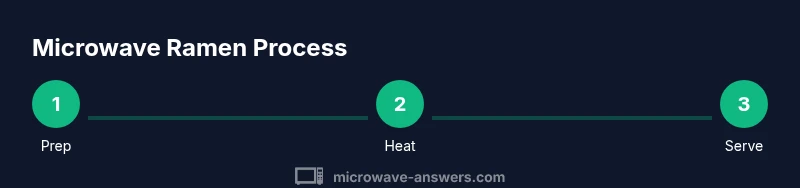
Start with the noodles in the bowl and add water up to 70–80% of the noodle height. Cover loosely to allow steam to escape. Microwave on medium power for 2–3 minutes, then pause to stir and check. If needed, continue in 1–2 minute bursts, stirring between intervals until the noodles are tender. Let it stand for 1–2 minutes so the heat finishes evenly. Finally, mix in flavorings after cooking to preserve aroma and texture. This approach minimizes hot spots and keeps noodles springy rather than one soggy mass. For visuals, refer to the step-by-step diagram in section 5.
Reheating leftovers: preserving texture and aroma
If you’re reheating leftovers, cool noodles quickly and store separately from any broth to maintain texture. When reheating, add a small amount of water to replace moisture lost during cooling, then heat in short bursts with stirring in between. Fresh toppings can rejoin after heating to restore flavor and crunch. Microwave Answers notes that reheating in shorter intervals helps avoid overcooking the pasta and prevents the broth from separating, which can dull the overall taste.
Common mistakes and how to avoid them
Common pitfalls include using non microwave-safe bowls, sealing the bowl tightly, and overheating broth or noodles. Avoid filling the bowl to the very top to prevent boil-overs, and never microwave metal lids. Don’t skip stirring, since heat distribution is often uneven in wattage-limited kitchens. Another mistake is adding all seasonings at once; combine salt, oils, and spice gradually for balanced flavor. By planning ahead and following a steady routine, you’ll consistently enjoy well-textured ramen.
Flavor ideas and toppings that elevate instant ramen
Enhance ramen with a quick lineup of toppings such as a soft boiled egg, a handful of chopped scallions, sliced mushrooms, a few drops of sesame oil, and a splash of soy sauce. For a richer broth, whisk in a teaspoon of miso or peanut butter for a creamy finish. If you like heat, add chili crisp or sriracha in small amounts to control spiciness. These techniques keep the noodle texture intact while elevating aroma and depth of flavor. Microwave Answers suggests building flavors around the wok-like aroma of the broth rather than relying solely on the packet seasonings.
Troubleshooting quick guide: hot spots, soggy noodles, and splatter
If you notice hot spots, pause the microwave and stir more often, or reduce power to avoid scorching. Soggy noodles usually indicate extra liquid or overcooking; drain slightly or cook for shorter periods and stir. Splatter can be minimized with a vented lid and by keeping the water level moderate. If the lid seems tight, loosen it slightly to allow steam escape. For persistent issues, switch to a slightly cooler power setting and extend the cooking time in smaller increments to reach the right balance of texture and temperature.
Cleaning and care for your microwave ramen bowl
Allow the bowl to cool before washing to prevent thermal shock. Most microwave-safe bowls are dishwasher-safe, but hand washing with a gentle detergent helps preserve glaze and avoid staining. Use a non-abrasive sponge to scrub away starch residue, particularly around the rim where buildup can accumulate. If you notice odors lingering, soak the bowl in a mixture of warm water and a splash of white vinegar for 15 minutes before washing again. Proper care extends the life of your bowl and keeps flavors pristine for future uses.
Tools & Materials
- Microwave-safe ramen bowl(Must be labeled microwave-safe; avoid ceramic bowls with metallic decorations)
- Lid or vented cover(Choose a lid that vents steam but fits snugly)
- Water or broth(Add enough liquid to cover the noodles by about 70-80%)
- Noodles and seasonings(Use the packet contents or customize with fresh ingredients)
- Spoon or fork(For stirring and serving; avoid metal utensils in the microwave)
- Optional toppings(Green onions, egg, mushrooms, sesame oil, chili crunch)
Steps
Estimated time: 20-25 minutes
- 1
Gather and prep
Collect the bowl, lid, noodles, and liquid. Break the noodle block if needed to fit and loosen with a quick rinse or shake. This helps ensure even exposure to heat and prevents clumping.
Tip: Having all items within reach reduces the chance of overcooking while searching for ingredients. - 2
Add water and seasonings
Pour enough water to cover the noodles by about 70-80%. If using a flavor packet, sprinkle it over the noodles before heating to promote even distribution.
Tip: Keep the liquid level moderate to prevent boil-overs without drying out the noodles. - 3
Secure the lid and start heating
Cover the bowl with the lid or vented cover and place in the microwave. Heat on medium power for 2-3 minutes, then pause to stir and assess.
Tip: Stirring halfway helps even out heat and reduces hot spots. - 4
Continue in short bursts
Return to the microwave in 1-2 minute intervals, stirring after each burst until the noodles reach tenderness.
Tip: If your microwave runs hot, reduce power to low and extend cooking time slightly. - 5
Let it rest
Allow the bowl to stand for 1-2 minutes after heating to finish cooking with residual heat.
Tip: Resting prevents overcooking and helps noodles set to the right texture. - 6
Season and serve
Stir in remaining seasonings if any, adjust salt, and add toppings as desired. Serve hot.
Tip: Season gradually; you can always add more flavor without overpowering the dish. - 7
Clean as you go
Rinse the bowl promptly after serving to prevent starch buildup and odors from lingering.
Tip: A quick rinse keeps your next batch tasting fresh. - 8
Storage and leftovers
Store cooled leftovers separately from broth and reheat using the same method with a little extra water.
Tip: Keep toppings separate for best texture when reheating.
Common Questions
Can I microwave ramen directly in a disposable cup?
Only if the cup is labeled microwave-safe and free of metal. Remove plastic lids that aren’t microwave safe.
Only if the cup is microwave-safe without metal parts.
What power setting should I use for ramen?
Use medium power and short intervals to prevent uneven heating and boil-overs.
Medium power with short intervals works best.
Why is stirring important during heating?
Stirring redistributes heat, reduces hot spots, and helps noodles cook evenly.
Stirring helps heat spread evenly.
Can I add toppings before heating?
It's fine to add dry toppings, but fresh greens should be added after heating to keep texture.
Add greens after heating for best texture.
How do I clean a stained bowl?
Soak with warm water and a little vinegar, then wash with a gentle sponge.
Soak with warm water and vinegar, then wash.
Is reheating ramen safe?
Yes, as long as you reheat to steaming hot and store leftovers properly.
Yes, reheat to steaming hot and store properly.
Watch Video
Main Points
- Choose a microwave-safe bowl with a vented lid.
- Add water to roughly cover noodles and heat in short bursts.
- Stir frequently to avoid hot spots and uneven texture.
- Flavor customization improves taste and aroma.