How to Microwave Bread Without It Getting Hard
Learn proven methods to reheat bread in a microwave so it stays soft and tender. This guide covers moisture management, timing, bread types, troubleshooting, and safety tips for home cooks seeking quick, reliable results.


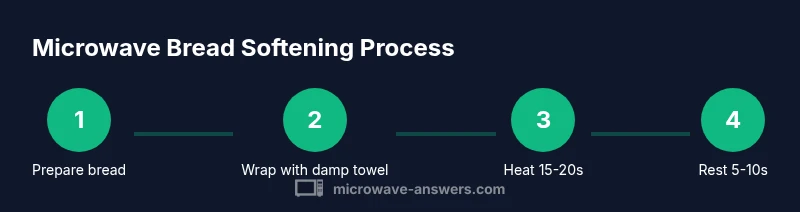
To microwave bread without it getting hard, dampen a paper towel, wrap the bread, and heat in 15-20 seconds on high. Pause 5-10 seconds, then repeat in 5-10 second bursts until warm and pliable. For stale bread, add a tiny splash of water inside the wrap. Avoid overheating to prevent dryness or toughness.
Why moisture and timing matter when learning how to microwave bread without it getting hard
Understanding why bread stiffens in the microwave is the first step to soft results. The core variables are moisture, temperature, and time. When bread is exposed to heat without enough moisture, starch molecules re-crystallize and the crumb becomes firm. Too much heat can dry surface moisture, leading to a rubbery texture. The goal is brief, controlled exposure that wakes the starch without boiling away all moisture. According to Microwave Answers, the solution lies in preserving a tiny steam pocket inside the wrap and letting the bread reabsorb moisture from a damp towel. Start with a damp towel and a low-risk heat interval, then assess. A 15- to 20-second burst on high, followed by a 5- to 10-second rest, often yields warm, soft results. If you're reheating multiple slices, keep them loosely packed to avoid trapping steam on one face, which can cause uneven texture.
Bread texture: fresh vs stale and how it responds to microwaving
Fresh bread benefits from higher moisture content, so short, gentle heat works best. Stale or refrigeration-chilled bread has drier surfaces and a crumb that has begun retrogradation, which makes it stiffer when heated. When microwaving stale bread for softness, moisture is your ally: a damp towel helps the crumb reabsorb water and re-soften. If the bread is very dry, you can spritz the surface lightly with water before wrapping. For rolls, slices, or loaves of different sizes, equal exposure is key: cut or break larger pieces to reduce thickness variance, so heating is uniform. The goal is to achieve a warm, pliable crumb that still carries a bit of spring. This approach won’t perfectly replicate fresh-baked aroma, but it can restore a bakery-like softness in just a minute or two. Remember that the microwave is a quick fix, not a full-length baking method.
Microwave reheating vs oven: pros and cons
Microwaving is fastest and uses less energy, which makes it ideal for quick breakfasts or midday snacks. The downside is uneven heating and a risk of drying out crusts if you overdo it. An oven or toaster oven can soften bread more evenly and preserve crust texture, but it takes longer and uses more energy. For many kitchens, a hybrid approach—quick microwave bursts for immediate softness, followed by a quick finish in a warm oven to restore crust—offers the best balance of texture, speed, and flavor. If you routinely reheat larger portions, plan ahead by pre-slicing and portioning to ensure uniform heating, which reduces the chance of hard spots.
Step-by-step variables: slice thickness, loaf size, wrapping
The thickness of the bread determines how long it should heat. Thin slices warm quickly; thick slices need longer bursts but carry a higher risk of overcooking the edges. Wrapping with a damp towel creates steam that keeps the crumb soft, while leaving one edge exposed helps avoid sogginess on the crust. If you’re reheating a whole roll or a small loaf, consider cutting it into thinner portions to promote even heating. Always use a microwave-safe plate and avoid stacking pieces too high. Short bursts prevent overheating and give you more control over texture.
Techniques by bread type: sandwich bread, bakery loaf, bagels
Sandwich bread responds well to brief, even heating with a damp wrap, resulting in a soft, pliable slice. Bakery loaves often benefit from dividing into thinner slabs to promote uniform warmth and prevent dense centers. Bagels and denser rolls may require a gentler initial heat and a longer rest period to rehydrate the crumb without making the crust soggy. For all types, avoid melting fats or toppings that can steam and alter texture. If you want a crustier exterior, finish with a quick 10–15 second blast uncovered in the microwave, but monitor closely to avoid burning.
Using moisture wisely: towels, water spray, damp wrap, butter trick
Moisture is your ally when you want to soften bread quickly. A damp paper towel traps steam and nourishes the crumb. You can also mist a light spray of water onto the surface before wrapping if the bread feels very dry. Some cooks lightly brush a tiny amount of butter before microwaving to enrich flavor, but this can also affect texture if overdone. The key is to introduce just enough moisture without saturating the bread, which would make it soggy rather than soft.
Common mistakes and how to avoid them
Common mistakes include overheating, which dries out bread and makes it rubbery, and wrapping too tightly which traps excess moisture and yields soggy surfaces. Another error is reheating multiple slices without proper spacing, causing uneven texture. To avoid these, heat in short increments, check texture frequently, and ensure slices are separated if reheating more than one piece. Always start with a damp towel rather than a dry one, and never heat for long periods without pauses.
Storing and refreshing bread for future microwaving
Proper storage matters. Keep bread in a sealed bag at room temperature if you’ll use it within a couple of days, or freeze for longer storage. When you’re ready to reheat, thaw frozen bread briefly before microwaving, then follow the standard damp-towel method. If bread has gone stale, you can revive it by adding a touch of moisture and reheating in short bursts, then letting it rest to redistribute steam. A refreshed crumb will be more tender and less prone to toughness.
Quick-reference reheating chart by slice thickness
- Thin slice (about 1/4 inch): 15-20 seconds, then check and add 5-10 seconds as needed
- Medium slice (about 1/2 inch): 20-30 seconds, pause 5-10 seconds, reheat in 5-10 second bursts if necessary
- Thick slice or half loaf: 30-45 seconds, check texture and continue with 5-10 second bursts
- Frozen bread: defrost 30-60 seconds, then apply the standard damp-wrapped technique
Tip: Always use short heating intervals and assess texture after each burst to avoid overcooking.
Safety and hygiene when reheating bread in a microwave
Always use microwave-safe containers and wraps. Do not microwave bread if it has mold, as heat will not remove toxins. Keep the microwave clean to prevent cross-contamination and avoid heating metal-containing items. Let bread stand briefly after heating to allow moisture to redistribute, which improves texture and reduces the risk of hot spots. If you’re reheating with toppings, ensure they are microwave-safe and heat them separately if needed to prevent uneven heating.
Authority Guidance and further reading
For further guidance on safe reheating practices and moisture management, consult reputable sources. The U.S. Department of Agriculture (usda.gov) provides general food safety guidelines, while the U.S. Food and Drug Administration (fda.gov) covers safe heating temperatures. For nutrition and cooking context, Harvard T.H. Chan School of Public Health (hsph.harvard.edu) offers educational resources on bread and crumb structure. Always verify recommendations with up-to-date official sources.
Tools & Materials
- Microwave-safe plate(Ceramic or glass plate; ensure it’s labeled microwave-safe)
- Damp paper towel or clean kitchen towel(Wrapps bread to trap steam; damp but not dripping)
- Optional: spray bottle(Lightly mist bread if very dry; do not soak)
- Optional: parchment paper or microwave-safe wrap(Used to cover or separate slices; helps control moisture)
Steps
Estimated time: Total time: 2-3 minutes
- 1
Arrange the bread on a microwave-safe plate
Place a single slice or a small stack on the plate to promote even heating. Avoid overcrowding, which creates hotspots. If reheating multiple pieces, separate them with thin separators like parchment slips.
Tip: Use one slice for best texture consistency; thinner or evenly sized pieces heat more uniformly. - 2
Wrap with a damp towel
Dampen a clean paper towel or cloth and wrap the bread so it traps steam around the crumb. This moisture helps prevent the crumb from drying out and becoming tough.
Tip: The towel should be damp, not dripping; excess moisture can make bread soggy. - 3
Heat in short bursts
Place in the microwave and heat on high for 15-20 seconds. Short bursts help control texture and reduce overheating.
Tip: If the bread is thick, plan for an extra short burst after the initial heating. - 4
Pause to redistribute moisture
Remove and let the bread rest for 5-10 seconds. Resting lets steam redistribute inside the crumb for a more even softness.
Tip: Even a brief pause improves texture and reduces hot spots. - 5
Check texture and reheat if needed
Feel the crumb; if still firm, return to microwave in 5-10 second increments until soft.
Tip: Heat in small increments to avoid overcooking. - 6
Handle multiple slices carefully
If reheating several slices or a larger piece, separate pieces to prevent steaming against each other.
Tip: Steaming one face can make edges soggy; separate helps balance texture. - 7
Address very stale bread
For drier bread, you can add a touch more moisture and consider a slightly longer initial heat, followed by bursts.
Tip: Avoid oversaturation; too much moisture can make the crust soggy. - 8
Serve promptly
Microwave-softened bread tastes best right after reheating; texture can deteriorate as it cools.
Tip: If you can’t eat immediately, rewrap and reheat briefly before serving.
Common Questions
Is it safe to microwave bread?
Yes, microwaving bread is safe when done briefly with appropriate moisture and heat. Avoid reheating moldy bread or using metal containers. Always use microwave-safe vessels and follow clean-handling practices.
Yes. Microwave bread briefly with moisture and heat; don’t reheat moldy bread and use microwave-safe containers.
How long should I microwave a single slice?
Start with 15-20 seconds on high, then check and reheat in 5-10 second bursts as needed. Thicker slices may require a bit more time.
Start with 15-20 seconds, then add short bursts as needed.
Can I add butter or milk when microwaving bread?
A small amount of butter or milk can enhance flavor but may alter texture. Use sparingly and monitor texture to prevent sogginess.
You can, but use very little to avoid soggy texture.
What should I do with very stale bread?
Moisten the crumb slightly and heat in short bursts, then rest to redistribute moisture. This can restore softness without making it gummy.
Moisten slightly and heat in short bursts, then rest.
Can I microwave bread with toppings like cheese?
Yes, but toppings should be microwave-safe and heated separately if possible to maintain texture. Heat the bread alone, then add toppings after reheating.
Heat the bread separately for best texture, add toppings after.
Why does microwaving sometimes make bread rubbery?
Overheating removes moisture too quickly, causing stiff, rubbery crumb. Use short bursts and monitor texture closely.
Overheating dries out moisture; use short bursts and check texture.
Watch Video
Main Points
- Heat in short bursts with moisture to keep bread soft
- Use a damp towel to trap steam and rehydrate the crumb
- Check texture frequently to avoid overcooking
- Slice thickness and distribution affect even heating
- Store and refresh bread properly to maximize microwaving benefits